
Ledger Confirms Tampered Wallets in Berlin, Warns Buyers
Ledger has identified tampered devices in Berlin and is examining two suspected units in Dubai, urging concerned buyers to contact official support.
In the crypto context, a ledger is a record-keeping system that tracks all transactions and balances on a blockchain network. It is maintained collectively by network participants rather than a central authority. Each new transaction is verified and added to the ledger in a structured and chronological manner. Because the ledger is distributed across many nodes, it is resistant to tampering and data loss. The blockchain itself functions as a public and transparent ledger. Ledgers ensure accurate ownership records and trustless transaction verification.
Ledger has identified tampered devices in Berlin and is examining two suspected units in Dubai, urging concerned buyers to contact official support.
Report URI found crypto-stealing code in Optimizely scripts linked to 178 organizations, including Ledger. Optimizely says it patched the vulnerability.

A Ledger Flex buyer reported a 1,300 SOL loss and shared implant photos. The device was reportedly bought at Virgin…

Pascal Gauthier says no company can promise perfect security, including Ledger, as AI strengthens attackers and crypto custody faces renewed scrutiny.
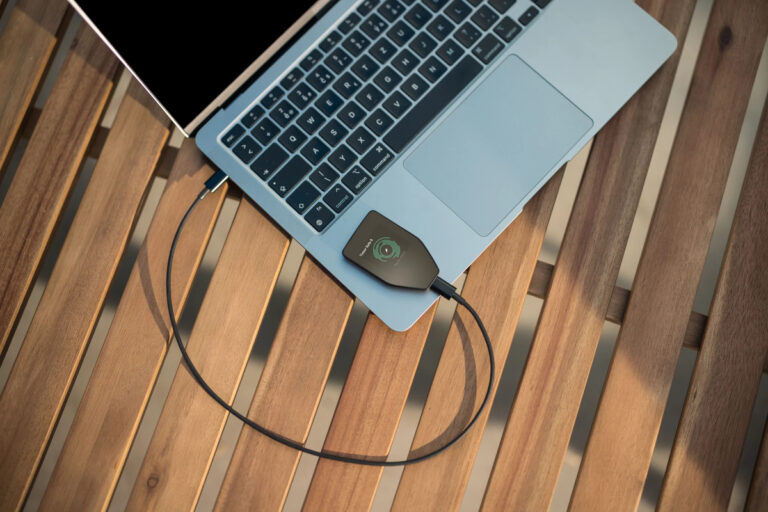
Trezor warns CryptoBilis buyers after one possible Safe 5 implant report. Lab confirmation is pending, and no related losses have been reported to the company.
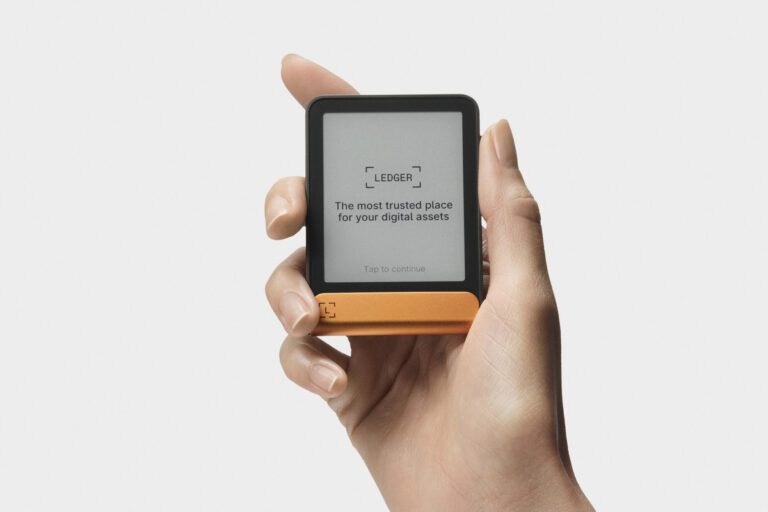
Ledger Platform brings direct connections to supported DeFi apps, while the company continues investigating hardware-wallet implants and tightening retail rules.
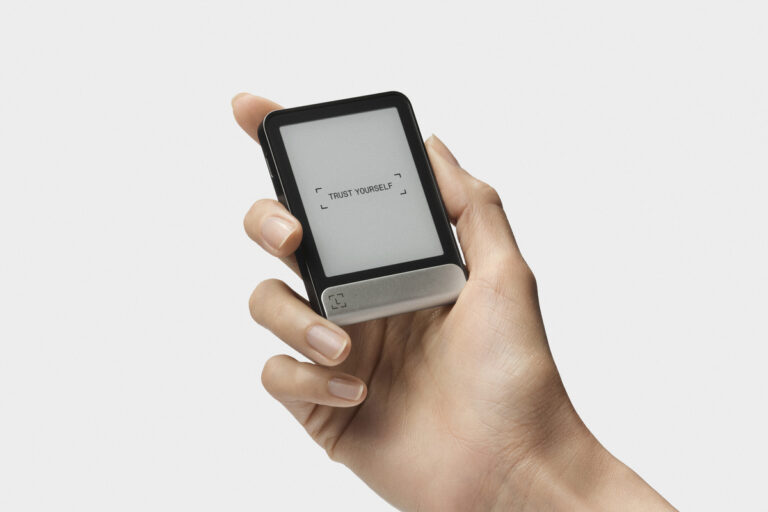
SlowMist warns that scammers are exploiting the Ledger implant incident with fake authenticity checks and firmware updates designed to deceive wallet owners.
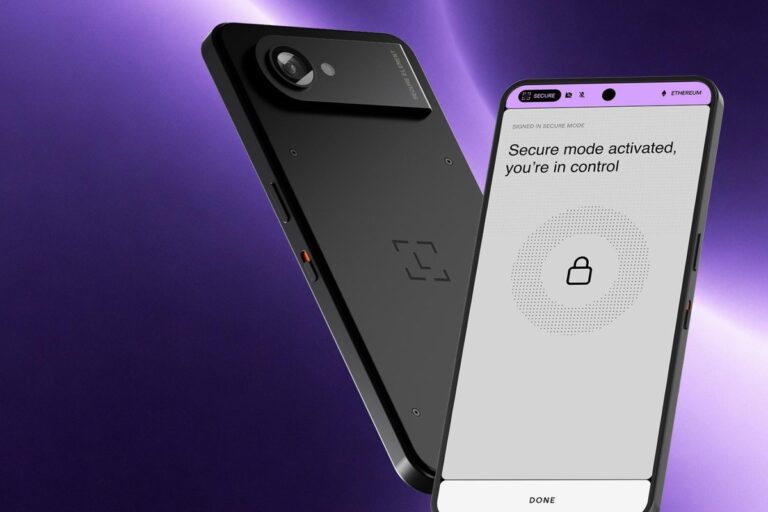
Ledger’s Atom pairs Android apps with secure transaction signing, Solana Mobile support and AI-agent controls, with shipping planned for summer 2027.

Ledger says attackers spent months modifying genuine wallets before a coordinated theft, as it bans shelf displays and reinforces its no-resale rule for returns.
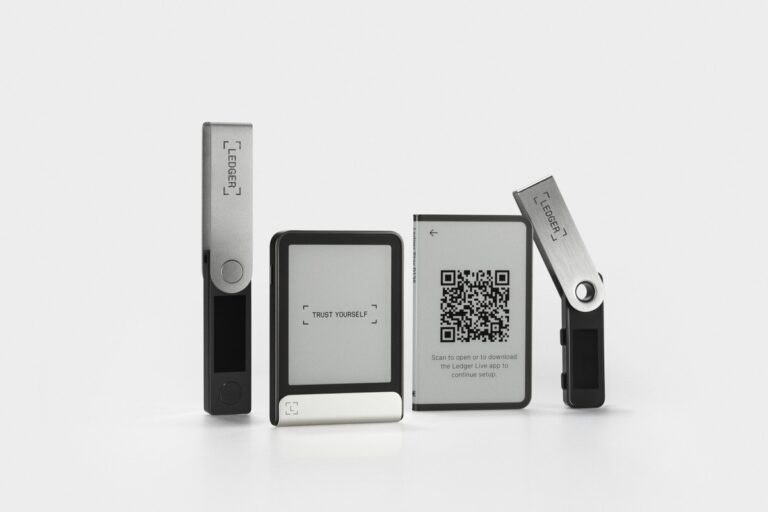
Mark Karpelès’s public Ledger database now lists 12 implant cases and two counterfeit devices, separating documented hardware reports from theft claims.