Secret Service and FBI Pursue Funds Stolen in $6.3B Binance Hack
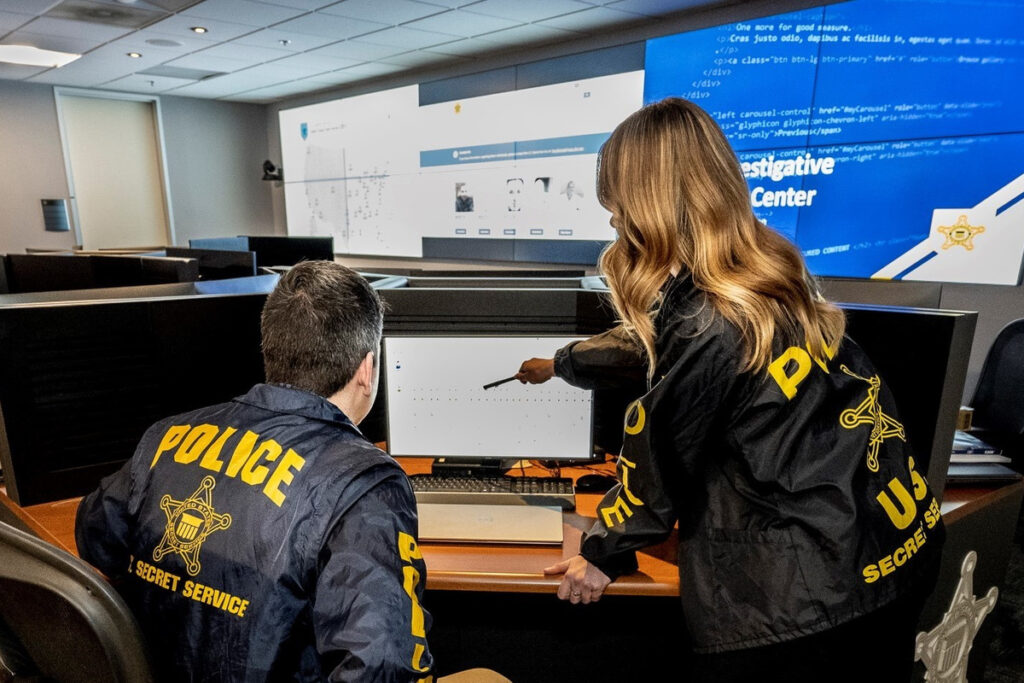
The Secret Service says investigators helped freeze stolen Binance crypto within minutes and are working with federal partners as recovery efforts continue.
The News section delivers fast, accurate, and essential reporting on everything shaping the global crypto landscape. From major market moves and project updates to regulatory developments, security events, and industry milestones, this page keeps readers informed with timely coverage and clear context. Designed for traders, investors, and everyday crypto followers, it provides a reliable snapshot of what matters right now in digital assets.
The Secret Service says investigators helped freeze stolen Binance crypto within minutes and are working with federal partners as recovery efforts continue.

BootROM flaws leave some older iPhones exposed to physical-access attacks. OneKey’s founder warns that a reset and airplane mode do not make them secure cold wallets.

Blockaid flags twelve crypto sites in a Step Drainer campaign as several teams restore service. Separately, Chainalysis reports access to customer profile data.

Vitalik Buterin describes using command-line crypto tools, Firefly and airplane mode by default. The experimental wallet he mentions also carries an explicit security warning.
Iron Fish ends remaining network support after a repeated-spending flaw. Bitquery traced 2.98 billion wIRON mints; the published patch does not repair mainnet in place.

Chainalysis confirms access to customer names, emails, IDs and roles. It reports no evidence that investigation content or authentication data was accessed.
Uber tested tokenized bank deposits and money market fund shares on Canton, including a weekend liquidation. The treasury pilot’s investment size was not disclosed.
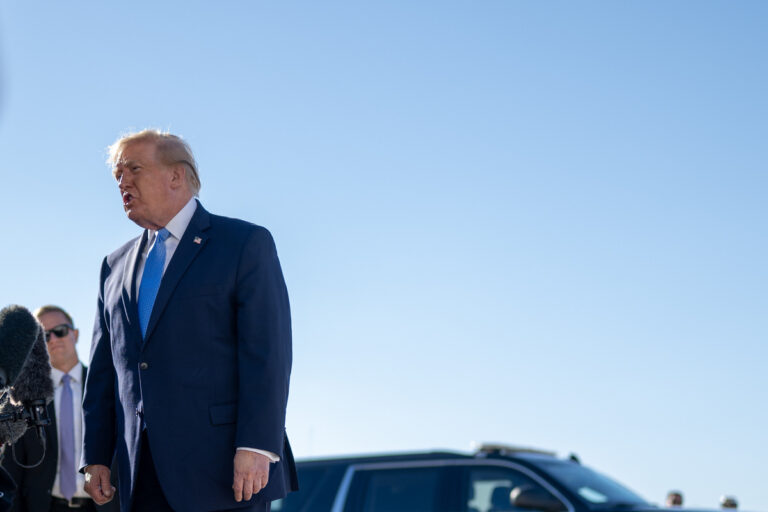
Trump says the US is examining a possible North Korean link to Binance’s $6.3 billion hack, without confirming who was responsible or that funds were recovered.
Investigators face rapid token swaps, automated wallet transfers and cash-out networks. Frozen assets and Binance’s replacement funding are separate from recovered funds.