
Trade.xyz Warns Users Off Links After GitBook Docs Incident
Trade.xyz restored its GitBook documentation after unauthorized activity but warned users to avoid links while it investigates. Its notice disclosed no fund theft.
A wallet is a tool that allows users to store, send, receive, and manage their cryptocurrencies and digital assets. Crypto wallets can be software-based, hardware devices, or even paper formats, depending on security needs. Rather than holding coins directly, wallets manage private keys that grant access to blockchain assets. Wallets also serve as gateways to DeFi platforms, NFT marketplaces, and decentralized applications. Proper wallet security is essential for protecting digital assets.
Trade.xyz restored its GitBook documentation after unauthorized activity but warned users to avoid links while it investigates. Its notice disclosed no fund theft.

Google’s MPC service is being tested by financial institutions and Alphabet, with commercial availability planned for early 2027.

Network School is taking over Farcaster’s app and protocol repositories, pairing the deal with new community rules, AI moderation and…
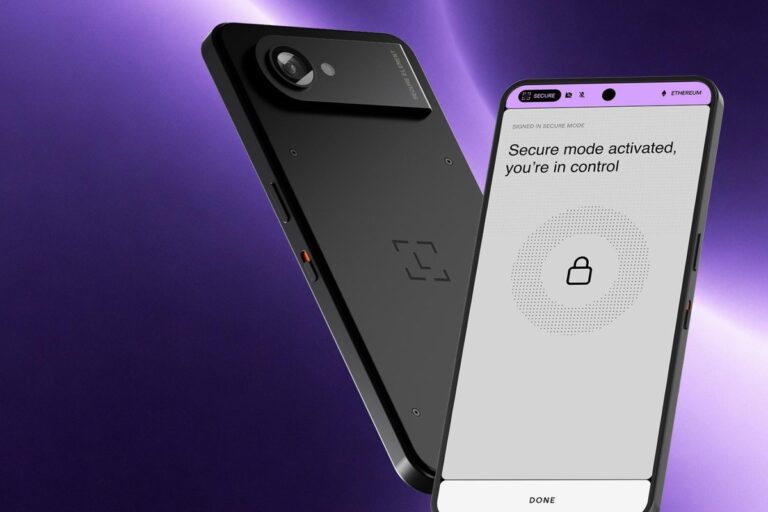
Ledger’s Atom pairs Android apps with secure transaction signing, Solana Mobile support and AI-agent controls, with shipping planned for summer 2027.
Mastercard and BVNK’s new Global Money Platform combines fiat accounts, stablecoins, cards and bank payouts, with Nuvei and Marqeta among early integrators.

Starknet has set a seven-day advisory vote on researching an independent quantum-resistant L1, while keeping STRK and its Ethereum bridges.

Sui targets native quantum-resistant account signatures for Q1 2027 after adding devnet support, with audits and testnet feedback still shaping the rollout.
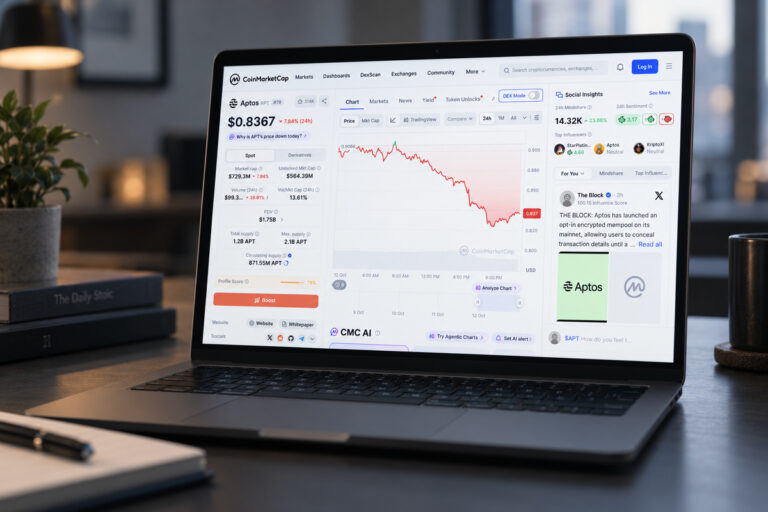
Aptos’s opt-in encrypted mempool hides transaction contents before ordering, with Petra support live and Decibel planning private perpetual orders.

South Korea’s Jeonbuk Bank has completed a Bitcoin-backed corporate loan pilot, with specialist custody and a court-based recovery structure.
XRP Ledger disclosed a payment-engine flaw dating to 2015 that could create spendable XRP; a September patch closed it, with no known public-network exploitation.