Key Notes
- Ledger Platform enables developers to connect supported applications directly to hardware signers, reducing reliance on additional wallet extensions.
- Morpho direct access covers lending and vault interactions with compatibility limits, while financial services retain third-party and protocol risks.
- The platform launch is separate from the hardware-implant investigation and does not establish that previously sold devices are free of tampering.
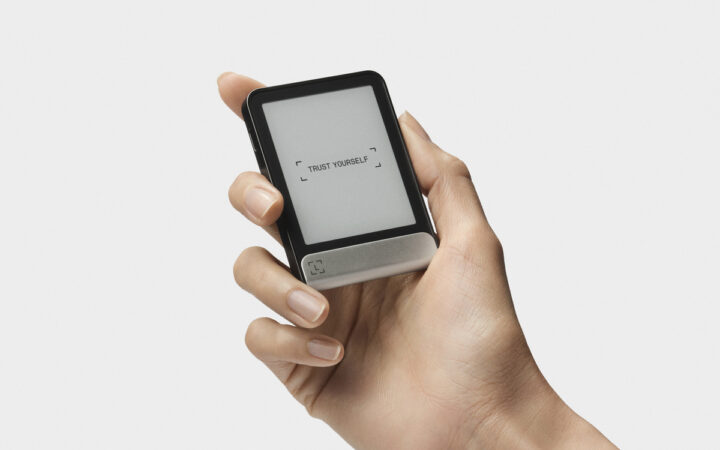
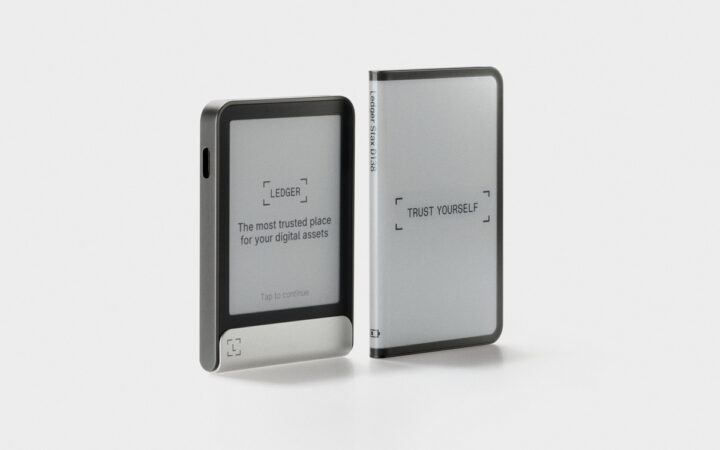
Ledger has unveiled Ledger Platform, a framework that lets application developers connect their services directly to the company’s hardware signers. For users, the most immediate benefit is access to supported swapping and lending applications without an additional browser-wallet extension in the signing path.
The expansion was presented at Ledger Op3n on October 15 and highlighted in a new company announcement on October 16. It arrives as Ledger continues investigating modified hardware wallets, putting its push toward broader crypto services alongside unresolved questions about physical device security.
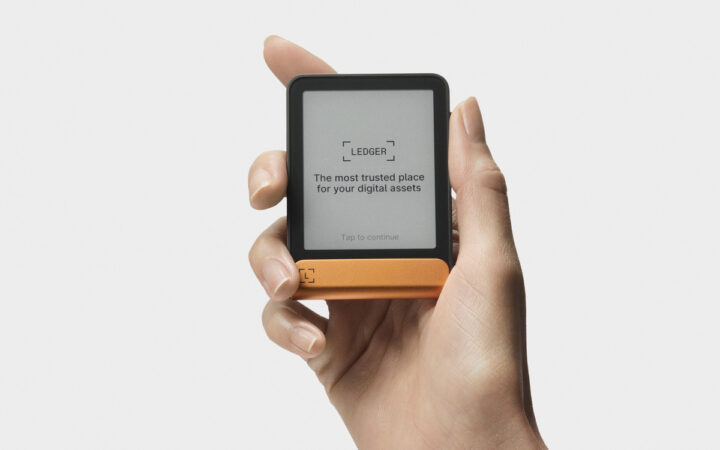
Ledger outlines direct app connections and developer integrations for Ledger Platform.
What Changes When a Ledger Connects Directly?
The user-facing connection layer is called Ledger Connectivity. Ledger’s launch explanation identifies 1inch and Velora for swaps and Morpho for lending and borrowing as services users can already try with compatible existing hardware.
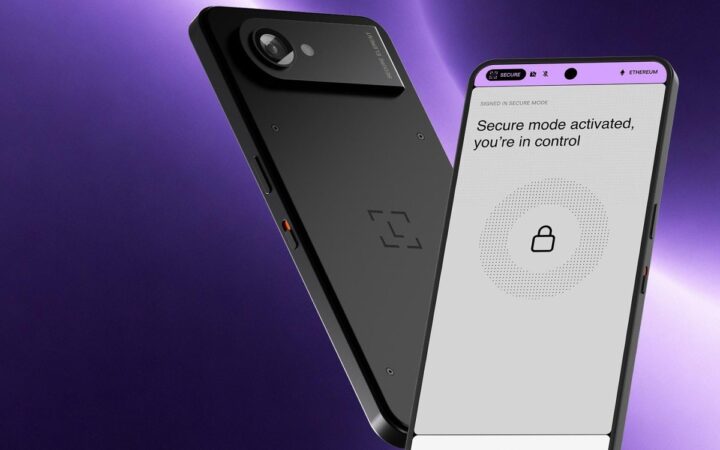
Instead of routing a request through another software wallet, the supported application connects to the Ledger signer. Ledger says transaction details appear in readable form on the device’s secure screen, where the owner reviews and approves the action.
This is the role of Clear Signing: making an approval understandable before it is signed. It addresses the signing interface rather than changing the financial terms of a swap or loan. Removing an extra wallet extension does not remove the application, its providers or its smart contracts.
Ledger Platform is the broader integration offering behind that experience. Developers can use Ledger’s Device Management Kit to add hardware signing to an existing product. The company is also presenting the platform for authentication and AI-agent approvals, extending its focus beyond applications that simply display cryptocurrency balances.
Morpho Shows Both the Convenience and the Limits
Morpho is a concrete example of what direct access means. Ledger’s October 7 integration guide describes deposits, borrowing and vault interactions through Ledger Wallet on Ethereum and major layer-2 networks.
The documented browser route supports Chrome, Brave and other Chromium-based browsers. It covers Ledger signers except the original Nano S, an important qualification to broad claims about integration across the company’s devices.
For a deposit or borrow, the guide describes two signatures: approval for the token and approval for the action itself. Ledger says Clear Signing displays readable details and Transaction Check simulates the outcome before the user confirms.
This direct connection is separate from Crypto Loan inside the Ledger Wallet app. As our earlier loans report explains, that product lets eligible users borrow USDC or USDT against cbBTC or wBTC through Morpho infrastructure and Yield.xyz. Access to Morpho’s wider application does not mean every market or vault appears in the native Loans screen.
Ledger’s role remains technological. Lending and vault services involve third-party providers and protocols, and their terms continue to apply even when the owner signs through hardware.
Morpho’s risk documentation identifies smart-contract, oracle, asset and liquidity risks. Its liquidation rules also allow unhealthy borrowing positions to be closed under the protocol’s terms. A correctly signed transaction does not guarantee the subsequent investment outcome or prevent collateral liquidation.
A Platform for Developers, Identity and Agents
Ledger’s platform page groups the offering into transaction security, identity and authentication, and AI agents. It lists capabilities such as device signing, wallet-based login, passkeys and transaction checks for different kinds of applications.
That scope makes Ledger Platform more than a new trading screen. A developer can integrate hardware approval into selected sensitive actions within an existing service, rather than ask users to adopt a completely separate application.
Availability still needs to be assessed feature by feature. The platform page labels Agent Policies and Proof of You for agents as coming soon. Those planned capabilities should not be treated as fully deployed simply because the broader developer portal is open.
Ledger Agent Intent is a related approval interface that brings requests from AI agents into one queue. It is distinct from a DeFi lending protocol, and its presence does not give an agent unrestricted access to the owner’s keys.
The Implant Investigation Concerns a Different Security Layer
Ledger’s October 15 company response said criminals had bought genuine devices, opened them, installed components to capture recovery phrases during setup and returned the modified wallets to distribution through resellers in Southeast Asia.
The company maintains that its chip, operating system and servers were not compromised. It says it is working with law enforcement and researchers, and asked authorized resellers and distributors in Southeast Asia and Hong Kong to suspend sales.
Ledger also tightened retail handling: devices should remain off shelves and displays and be handed over at purchase. It reiterated that returned wallets must never be resold. Our retail-response coverage details those measures and the limits of the information disclosed.
The manufacturer’s Donjon threat model states that Genuine Check authenticates the secure element but cannot detect unauthorized physical modifications if that original chip remains intact. A direct application connection therefore does not establish that the hardware in a customer’s hand has never been altered.
The new platform does not provide a fix for an already exposed recovery phrase or a final accounting of affected devices. Separately, our phishing report covers fake update pages exploiting concern about the incident; it does not establish that the hardware attackers and phishing operators are the same people.
Existing Signers Now, Atom on a Separate Timeline
The platform initiative sits alongside Ledger’s announced Atom device, covered in our Atom analysis. That planned Android-based product has a separate delivery timetable in 2027; compatible existing signers can already use the direct connections described above.
For Ledger, the expansion connects its hardware to a wider range of financial and software services. Its practical reach will depend on which applications integrate the platform, which features they support and whether customers can use them with their particular device. Those product questions sit alongside the continuing investigation into how modified wallets reached buyers.
Disclaimer: CoinScreamer is an independent media brand owned and operated by NuvexMedia LLC, publishing news, research, and market insights on digital assets and related technologies. NuvexMedia LLC invests in and collaborates with companies across the digital asset, blockchain, and technology sectors. These relationships do not influence CoinScreamer’s editorial coverage, and the publication maintains full editorial independence to provide accurate, timely, and objective information. © 2025 NuvexMedia LLC. All rights reserved. This content is for informational purposes only and should not be considered legal, tax, investment, financial, or other professional advice.