Japan’s Lower House Passes Landmark Crypto Reform Bill, Paving Way for ETFs and 20% Flat Tax
By reclassifying digital assets from payment tools to formal financial products, Tokyo aligns its crypto sector with standard equity markets.
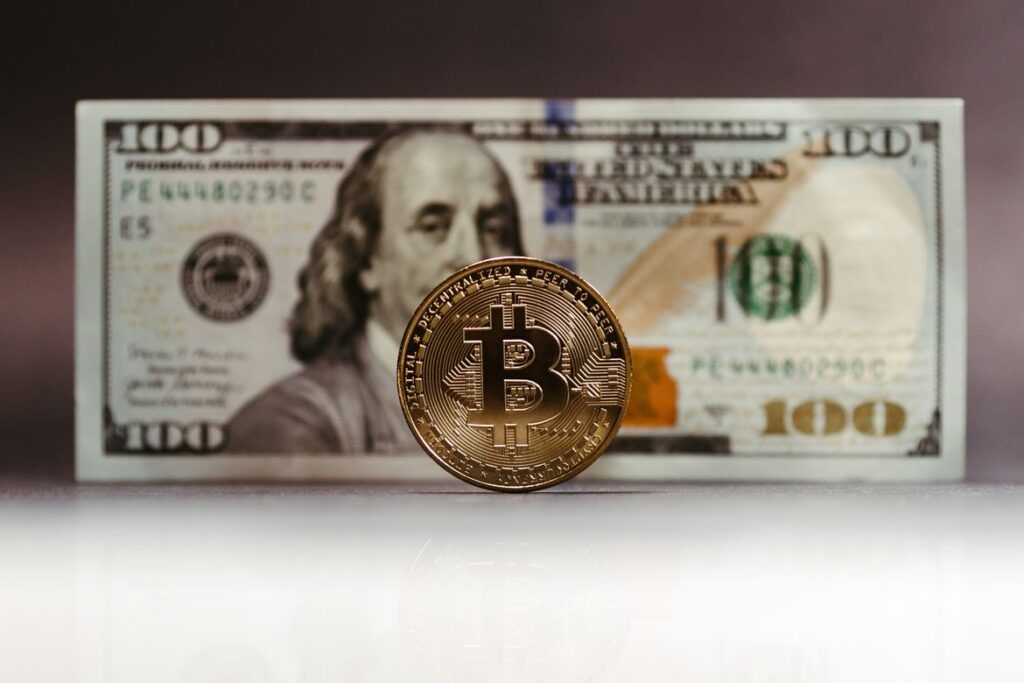
Bitcoin is the first and most widely recognized cryptocurrency, created as a decentralized digital alternative to traditional money. It operates on a public blockchain that records all transactions transparently and immutably, without relying on banks or central authorities. Bitcoin introduced the concept of peer-to-peer digital value transfer, secured by cryptography and a global network of miners. Its fixed supply of 21 million coins is designed to make it scarce, often leading to comparisons with digital gold. Over time, Bitcoin has evolved from a niche experiment into a globally traded asset, widely used as a store of value, investment vehicle, and benchmark for the entire crypto market.
By reclassifying digital assets from payment tools to formal financial products, Tokyo aligns its crypto sector with standard equity markets.
A spot market stabilization pushes BTC back toward key overhead resistance, yet an open interest reset and a persistent midweek cycle pattern suggest the bounce faces a crucial structural test.
A toxic mix of massive institutional outflows from crypto ETFs, macroeconomic de-risking over crude oil spikes, and capital rotation into AI stocks dragged the crypto market down.
As Bitcoin slumps toward $65,000, prediction markets point to further downside, with traders pricing in a high probability of sub-$50,000 prices before the end of the year.
Charles Schwab is expanding its digital asset footprint into institutional wealth management, aiming to let independent advisors manage direct crypto holdings.
A widening performance gap between digital assets and legacy stock markets has driven capital rotation away from crypto, pushing Bitcoin toward its critical 200-week EMA support level.
Sixteen years after the most famous food order in internet history, the narrative isn’t about lost fortunes. It’s about how an experimental cryptography project became a globally accepted currency.
Seeking to capture renewed momentum within digital asset capital markets, legacy crypto infrastructure provider Blockchain.com is formally pursuing a US public listing.
A new data brief reveals that 1.92 million BTC are fundamentally exposed to future quantum attacks, amplifying pressure on developers to implement protocol protections like BIP-360.
RWA tokenization hits a massive distribution milestone. By integrating xStocks pipelines, Bitget Wallet brings zero-fee, gasless access to blue-chip equities directly inside its self-custodial infrastructure.