
Standard Chartered Sees More Crypto Downside After Binance Hack
Geoffrey Kendrick expects further crypto weakness after the Binance hack, while retaining a long-term bullish view on Uniswap.
Yield farming is a DeFi strategy where users earn rewards by providing liquidity or staking assets in protocols. Rewards are typically paid in tokens and can vary based on demand and platform incentives. While yield farming can generate high returns, it also involves risks such as smart contract failures and impermanent loss. It became popular during the rapid growth of DeFi. Yield farming remains a core mechanism for bootstrapping liquidity.
Geoffrey Kendrick expects further crypto weakness after the Binance hack, while retaining a long-term bullish view on Uniswap.
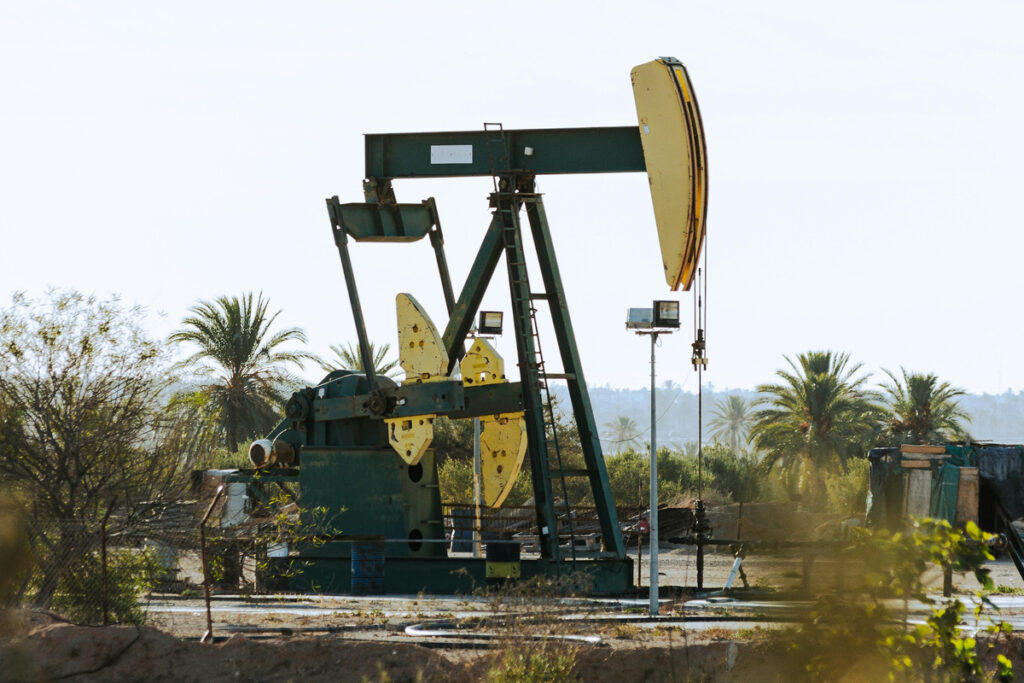
Solidus Labs flagged $170 million in unusual oil-linked orders on Hyperliquid. The reported pattern raised spoofing concerns, with intent unconfirmed.

Diva Staking has canceled its Ethereum mainnet launch after funding ran out. Early depositors are being directed to withdraw through…

Ethena Pay’s optional Earn+ vault targets up to 12% APY through a leveraged USDe strategy, with tier-based limits and variable rewards.

S&P Global has completed its OpenZeppelin acquisition, adding smart-contract security expertise after introducing a framework to assess DeFi lending-vault risks.
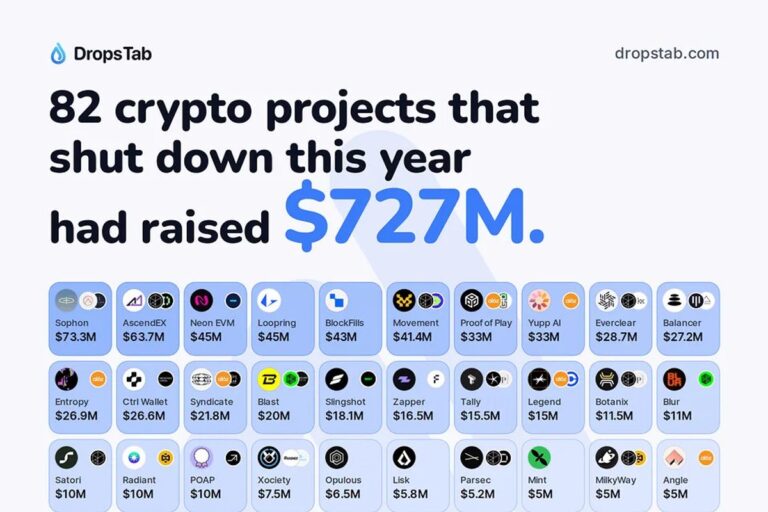
DropsTab lists 82 crypto projects and products with $727 million in disclosed funding. Our review traces every name, separating closures, pivots and disputed entries.

Aerodrome and Velodrome have combined as Aero, launching across seven chains with a new AERO token, sAERO positions and cross-chain Metaswaps.

Pump.fun’s cross-chain bridge is now the app’s default route. A company-run test reports fewer purchase errors and faster execution than Relay.

HYPE leads Grayscale’s Tokenholder Yield ranking at 8.0%, while CAKE tops Adjusted Earnings Yield at 14.4%. The two metrics measure different token economics.

PancakeSwap’s live ballot proposes an 88% LP fee share and phased CAKE emissions cuts, with the final reduction tied to a 20% supply-reduction target.