Key Notes
- Report URI identified malicious Optimizely snippets belonging to 178 organizations, including Ledger and major global brands.
- The payload targeted cryptocurrency addresses and card details, with additional exploit attempts against older Apple devices.
- Salesforce disabled the scripts and Equifax stopped using Optimizely, while the full impact remains unknown.
Attackers used Optimizely’s website experimentation platform to distribute cryptocurrency-stealing and payment-card malware through scripts belonging to 178 organizations, according to an investigation by Report URI. The affected scripts included those used by Ledger, Zoom, CNN, the BBC, HSBC and IKEA.
Optimizely has confirmed the incident. In a November 17 update, the company said an unauthorized party exploited a vulnerability to add malicious JavaScript to customer projects. It said the flaw was fixed, injected code removed and affected accounts secured.
Companies Disable Scripts as Reviews Continue
Salesforce told Reuters that it was investigating unauthorized Optimizely script changes and had disabled them as a precaution. Equifax said it stopped using Optimizely and found no evidence that its own systems were compromised. IKEA said it was assessing potential effects on its digital services and customers.
The agency also cited cybersecurity firm HudsonRock’s observations of malicious code served to visitors. Reuters could not establish whether the code succeeded in each case or the full extent of any resulting intrusions.
Trusted Scripts Became a Delivery Route
Optimizely Web lets companies test and personalize their websites by loading scripts supplied through the platform. Report URI researcher Scott Helme said attackers altered a custom-code field within customer projects, causing those otherwise familiar scripts to load additional malicious code.
His November 16 technical investigation identified 188 infected snippets associated with 178 organizations among 1,611 snippets examined. Those are counts of affected scripts and organizations, rather than a count of infected devices or people who lost funds.
Some websites’ security policies blocked parts or all of the payload. The findings therefore do not establish that every visitor to a listed site experienced the same exposure.
Wallet Addresses and Card Details Were Targeted
The crypto component searched for wallet addresses and replaced them with attacker-controlled alternatives. Report URI found support for Bitcoin, Ethereum-compatible networks, Solana, Tron and several other chains. Address substitution could affect page content, form fields and copied payment information.
This creates a risk even when a user intends to make a legitimate transfer. A copied destination can be changed before payment, redirecting funds without requiring the attacker to obtain the sender’s private key or compromise the blockchain.
Unlike a browser escape, address substitution can abuse permissions a web page already has. A familiar domain alone does not establish that every third-party script running within it is safe.
A separate card-skimming component looked for card numbers, expiry dates and security codes entered into websites’ own forms. Report URI said payment fields inside hosted Stripe or Adyen iframes were outside that component’s reach. The payload also targeted accessible cookies and captured page screenshots.
Older Apple Devices Faced an Additional Threat
Report URI found loaders for the Coruna and DarkSword exploit kits aimed at older iPhones and iPads. Loading an exploit attempt does not establish that every device was successfully compromised, and the investigation did not provide a total number of exploited phones.
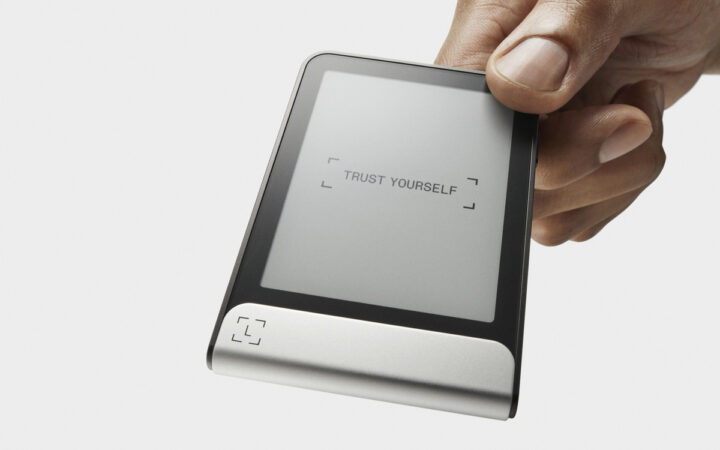
Ledger’s inclusion concerns its website scripts. The report does not establish that Ledger hardware wallets, firmware or Ledger Live were breached. That distinction matters when assessing whether a malicious payment address or the wallet’s signing system was targeted.
Cleanup Does Not Establish the Full Impact
By 21:52 UTC on November 16, Report URI found malicious code remaining in one of the 188 identified snippets. Optimizely’s later update said it had removed the injected code and added protections against further unauthorized delivery.
Report URI identified crypto transfers to attacker-controlled wallets, but the full financial impact and number of stolen card records remained unknown. It advised affected visitors to review crypto destinations and card statements and update their Apple devices.
The case follows a separate Swarm supply-chain compromise involving trusted software releases. No connection between the campaigns has been established.
Disclaimer: CoinScreamer is an independent media brand owned and operated by NuvexMedia LLC, publishing news, research, and market insights on digital assets and related technologies. NuvexMedia LLC invests in and collaborates with companies across the digital asset, blockchain, and technology sectors. These relationships do not influence CoinScreamer’s editorial coverage, and the publication maintains full editorial independence to provide accurate, timely, and objective information. © 2025 NuvexMedia LLC. All rights reserved. This content is for informational purposes only and should not be considered legal, tax, investment, financial, or other professional advice.