
S&P Global Completes OpenZeppelin Acquisition in DeFi Security Push
S&P Global has completed its OpenZeppelin acquisition, adding smart-contract security expertise after introducing a framework to assess DeFi lending-vault risks.
Zero-knowledge applications (zkApps) are blockchain-based programs that use zero-knowledge proofs to validate computation and data without revealing the underlying information. They allow users or applications to prove that certain conditions are met while keeping inputs private. zkApps typically perform complex logic off-chain and submit cryptographic proofs to the blockchain for verification. This approach reduces on-chain data requirements and improves efficiency. zkApps are commonly used to enhance privacy, scalability, and security in decentralized systems.
S&P Global has completed its OpenZeppelin acquisition, adding smart-contract security expertise after introducing a framework to assess DeFi lending-vault risks.

The Bank of Israel rejects crypto as a sanctions workaround. Netanyahu says it remains one option, but acknowledges that it…

Dogecoin Labs brings MyDoge, DogeOS and Such App together to expand DOGE payments and DeFi, with merchant tools in beta…
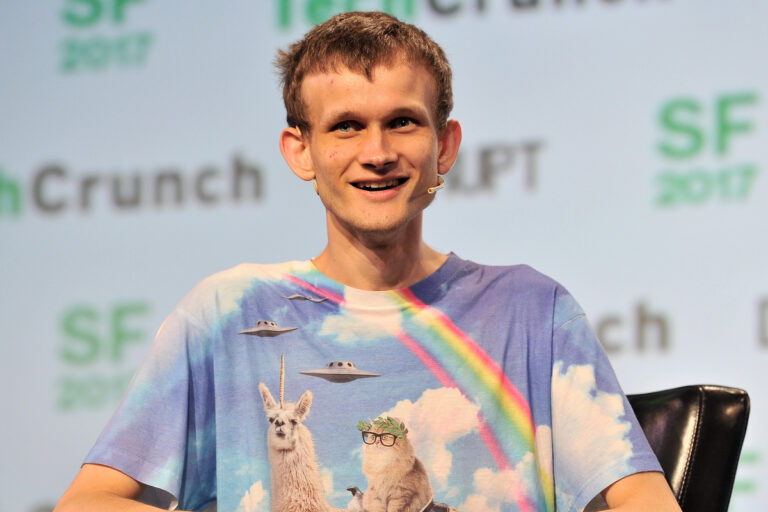
Vitalik Buterin wants heavy computations proved on users’ devices, then aggregated through EIP-8288, a draft Ethereum proposal linked to its longer-term roadmap.
Trail of Bits, which has audited Uniswap, Aave and Worldcoin, already works with OpenAI to validate and patch flaws in open-source software.
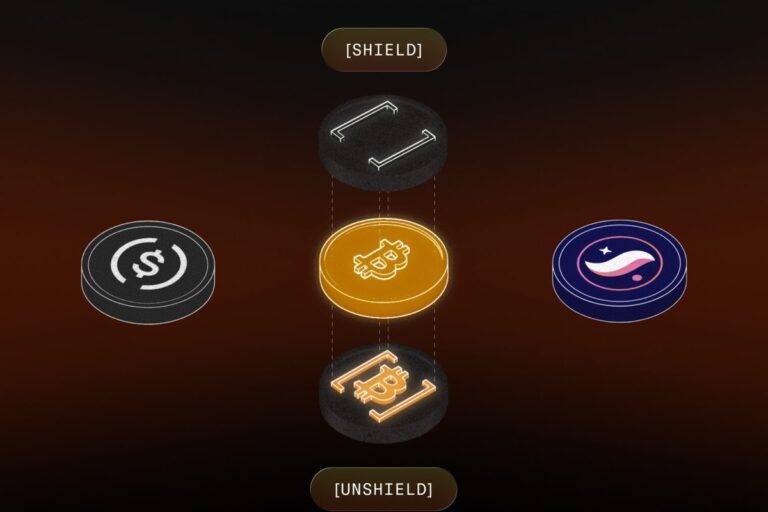
Starknet’s Shadow Accounts hide the link to a user’s main wallet while leaving DeFi activity public. The first app integration is planned for October 14.

Solana shares a six-month teaser from product chief Vibhu Norby as Breakpoint 2026 prepares to bring developers and institutions to London in November.

WeFi Co-Founder Maksym Sakharov believes tokenization's real potential lies not in putting assets on a blockchain, but in transforming how financial systems work together.
CFX rose about 40% over roughly two days as China called for a national blockchain network, although the policy does not name Conflux or its token.
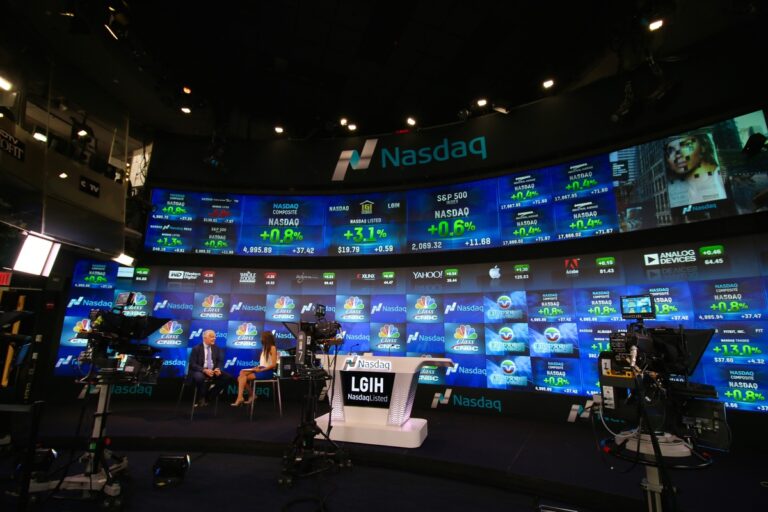
Nasdaq CEO Adena Friedman says tokenization could free tens of billions in collateral as institutions build infrastructure for always-on markets.