Key Notes
- Network School is acquiring Farcaster’s app, protocol repositories and related products from Neynar, with financial terms undisclosed.
- Part of Neynar’s team will continue development under Network School while co-founders Rish and Manan move on.
- The flagship app is introducing a new community-governance model while the underlying protocol remains open to alternative clients.
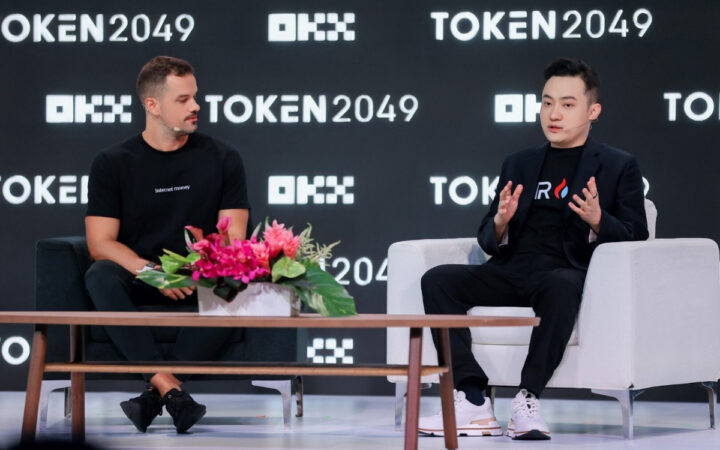
Balaji Srinivasan’s Network School is acquiring Farcaster from Neynar, taking over the social app, protocol repositories and related products as it seeks to connect online communities with physical network states.
The deal brings a second change of stewardship for Farcaster this year. Neynar co-founder Rish announced the handover on October 15, saying the project needed a different operating model after a process that attracted several proposals. Financial terms have not been disclosed.
Rish said most of Neynar’s team would join Network School to continue building Farcaster, while he, co-founder Manan and other team members would move on. The transfer combines continuity among developers with a new owner’s plans for how the main application should operate.
A Social Network for Network States
Network School wants Farcaster to become the digital complement to physical communities. The Block reported that an in-app announcement described the project’s new direction as the Network State Protocol.
In his own statement, Srinivasan said the goal was a family-friendly community where users could learn technology, build projects and gradually form an offline society. He proposed online gatherings, in-person meetups and events connected to Network School as steps toward that ambition.
Those are plans for community development, rather than evidence that an online network has acquired legal sovereignty. The immediate changes concern the social app and its membership rules.
New Rules, With AI and Human Moderators
Srinivasan said humans and AI had already reviewed millions of posts and moderated repeat offenders. He acknowledged the possibility of false positives and said affected users could appeal.
The published Network Code sets out the operating rules for the reference client. It describes an open-weight AI model applying written prompts to posts and accounts, with some decisions still requiring human judgment.
The code groups violations into warnings, suspensions and bans. Its most serious categories include threats, scams and persistent harassment. The labels “digital felonies” and “misdemeanors” describe platform sanctions; they do not create criminal offenses under national law.
It also distinguishes persistent, undisclosed AI-generated posting from disclosed AI agents or AI-assisted accounts. AI use itself is therefore not presented as a blanket reason for exclusion.
Planned features include warnings before a potentially rule-breaking post is published. The Block also reported a gradual move toward verifying that users are human. The available acquisition announcement does not specify a universal verification deadline or a particular identity-checking method.
The Main App and the Open Protocol Remain Different
According to The Block’s account, users are being asked to accept a social smart contract for full participation, with an access NFT recording acceptance. Those declining would have read-only access to the main app and could use another client with their existing identity and social connections.
Srinivasan separately emphasized that the protocol remains open and the client has been open-sourced. Alternative developers can build their own experience, although he said Network School-related names could not be used to launch competing commercial projects or tokens.
Farcaster’s developer documentation describes permissionless social-app development, portable sign-in and tools for reading network data. This architecture separates the shared network from the particular app through which a user participates.
The practical question is whether alternative clients offer an experience users want. Open software makes a different client possible; it does not guarantee that every service, moderation decision or feature will carry over unchanged.
A Second Handover in 2026
Neynar’s January 21 acquisition notice said it was taking over Farcaster from Merkle Manufactory, maintaining the protocol, operating the clients and running the Clanker token launchpad. Its stated emphasis was helping builders turn ideas into recurring revenue.
The October handover announcement does not separately settle Clanker’s future. Its inclusion in the earlier transaction should not be treated as confirmation that every product Neynar previously acquired is moving on identical terms now.
For Farcaster, the new direction pairs open infrastructure with a more actively governed flagship app. Network School’s next test is turning the announced community model into sustained participation, while making its moderation and appeal processes work in practice.
Disclaimer: CoinScreamer is an independent media brand owned and operated by NuvexMedia LLC, publishing news, research, and market insights on digital assets and related technologies. NuvexMedia LLC invests in and collaborates with companies across the digital asset, blockchain, and technology sectors. These relationships do not influence CoinScreamer’s editorial coverage, and the publication maintains full editorial independence to provide accurate, timely, and objective information. © 2025 NuvexMedia LLC. All rights reserved. This content is for informational purposes only and should not be considered legal, tax, investment, financial, or other professional advice.