
OpenZeppelin Co-Founder Declares ‘All of DeFi’ Unsafe, Citing AI-Driven Exploit Asymmetry
Manuel Aráoz warns that advanced AI coding agents have broken the balance of smart contract security, rendering even blue-chip protocols inherently unsafe.
A cold wallet is a physical device or offline storage medium used to secure cryptocurrency private keys. Unlike hot wallets, which are connected to the internet, cold wallets remain strictly offline, significantly reducing the risk of unauthorized access or cyber attacks. They typically come in the form of hardware devices, paper wallets, or dedicated offline computers. To execute a transaction, a user must temporarily connect the cold wallet to an internet-enabled device, sign the transaction offline, and then broadcast it to the network. This method ensures that the private keys are never exposed to online vulnerabilities. Because of their enhanced security, cold wallets are considered the safest method for storing large amounts of cryptocurrency over long periods.
Manuel Aráoz warns that advanced AI coding agents have broken the balance of smart contract security, rendering even blue-chip protocols inherently unsafe.

Ripple is fighting back against the Lazarus Group’s human-first exploits, sharing critical intelligence with Crypto ISAC to stop North Korean operatives from infiltrating crypto firms through…

Anatoly Yakovenko flags math footguns in post-quantum signature schemes, arguing that evolving AI models could break next-gen encryption before the industry can harden its defenses.

Trust Wallet users can now trade 200+ perpetual markets, including crypto and real-world assets like oil and gold, directly within the app via a new high-speed…

A quantum computing breakthrough has cracked a 15-bit elliptic-curve key, raising concerns about Bitcoin security and accelerating debate over post-quantum cryptography timelines.
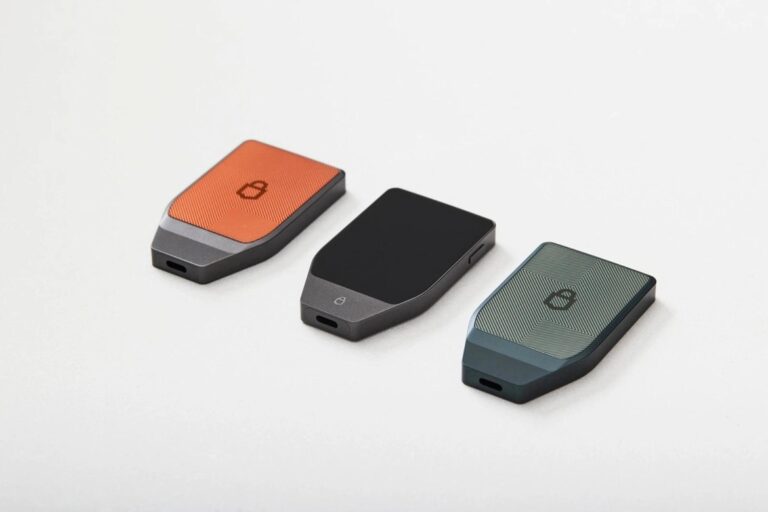
Trezor’s Safe 7 hardware wallet has received a 2026 Red Dot Award for product design, marking a milestone for crypto self-custody devices and usability-focused security tools.

Mastercard has joined the Blockchain Security Standards Council, aiming to strengthen security, trust, and interoperability across blockchain and digital asset ecosystems.
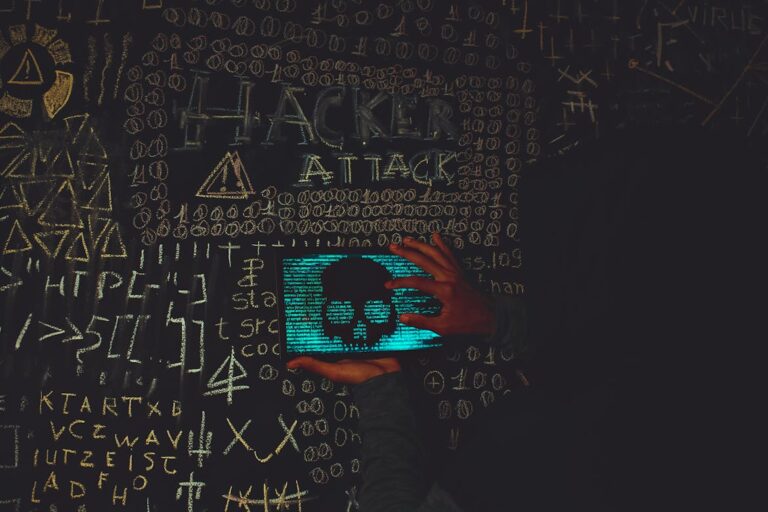
The DeFi sector is facing a deepening security crisis after nearly $800 million in losses this year, with April alone accounting for the majority.

Crypto hackers stole nearly $169 million from DeFi protocols in Q1 2026, marking a sharp decline from last year’s record-breaking losses.

Crypto payments platform Bitrefill says a cyberattack linked to the Lazarus Group exposed about 18,500 purchase records and drained funds from several hot wallets.