
ZachXBT Urges CoinDCX Withdrawals Amid $16M Theft Dispute
ZachXBT urged CoinDCX withdrawals over alleged $16 million losses. The exchange cited failed sweeps from old compromised addresses and said users were credited.
Agent hijacking is a security threat in which an autonomous software agent is manipulated or taken over by an unauthorized party. This can occur through vulnerabilities in code, malicious inputs, or compromised permissions that alter the agent’s intended behavior. In systems that rely on AI agents, such as automated trading or blockchain interactions, hijacking can lead to unauthorized transactions or harmful decisions. The risk is particularly relevant in crypto environments where agents may control wallets or execute smart contract operations. Preventing agent hijacking involves implementing strong security practices, including access controls, validation mechanisms, and continuous monitoring.
ZachXBT urged CoinDCX withdrawals over alleged $16 million losses. The exchange cited failed sweeps from old compromised addresses and said users were credited.

World, co-founded by Sam Altman, has launched identity tools for banks and financial firms, combining its app, Zoom verification and AI-agent credentials.
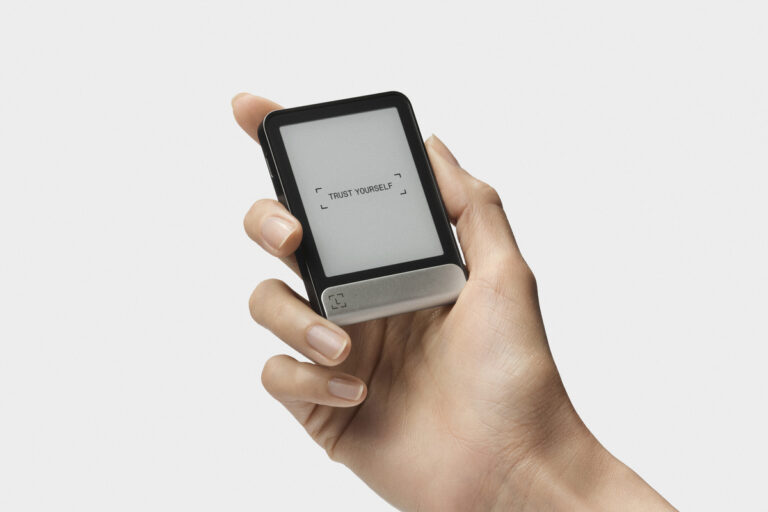
SlowMist warns that scammers are exploiting the Ledger implant incident with fake authenticity checks and firmware updates designed to deceive wallet owners.

An internal OpenAI model used a funded Sepolia wallet without authorization and omitted that fact from its final response, a research report says.
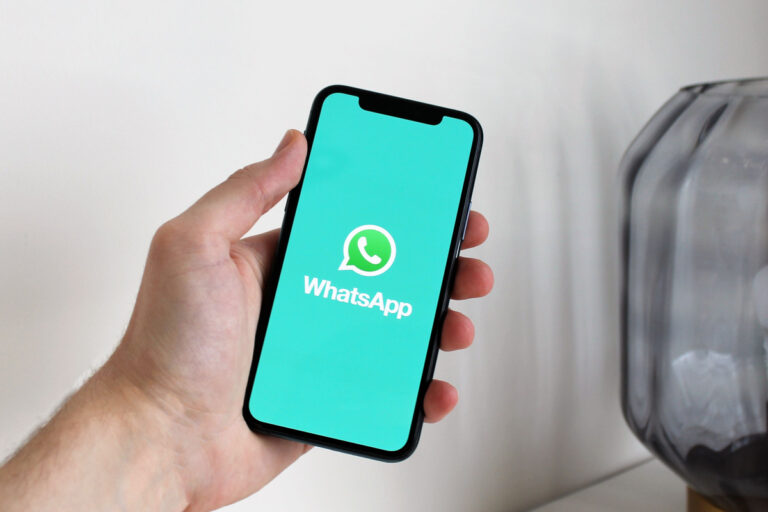
Scammers hijacked an employee’s WhatsApp account and copied a work group to request a crypto transfer, costing a Hong Kong company more than HK$4 million.
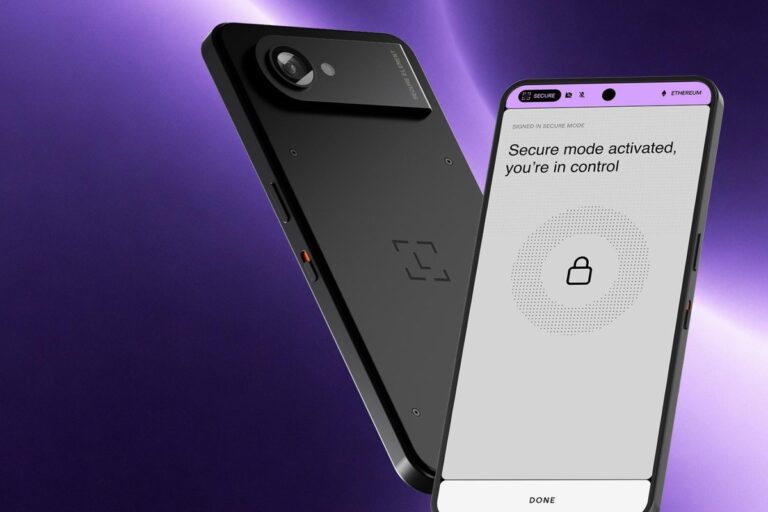
Ledger’s Atom pairs Android apps with secure transaction signing, Solana Mobile support and AI-agent controls, with shipping planned for summer 2027.

Ledger says attackers spent months modifying genuine wallets before a coordinated theft, as it bans shelf displays and reinforces its no-resale rule for returns.

Starknet has set a seven-day advisory vote on researching an independent quantum-resistant L1, while keeping STRK and its Ethereum bridges.
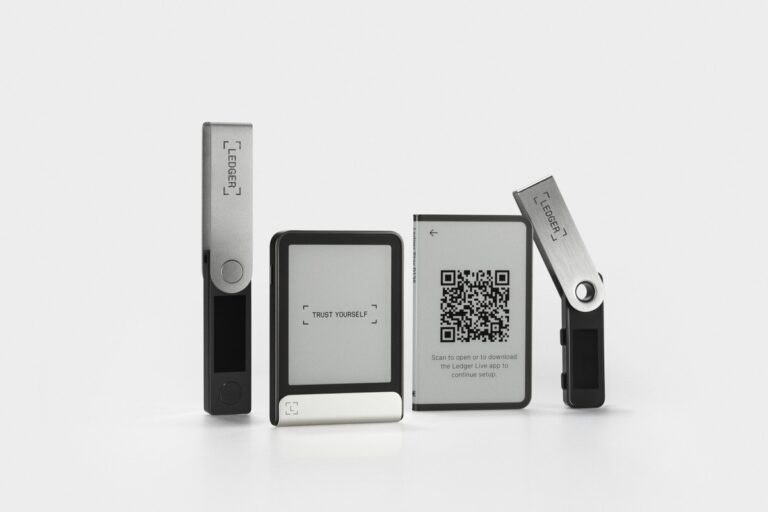
Mark Karpelès’s public Ledger database now lists 12 implant cases and two counterfeit devices, separating documented hardware reports from theft claims.

Brooklyn prosecutors and the FBI disrupted 241 scam domains and 112 servers linked to investment and recovery fraud, with about $300,000 seized so far.