
Tom Lee Sees 25x Ethereum Upside as BitMine Nears 5% Supply Cap
Tom Lee links Ethereum’s potential upside to tokenization and AI as BitMine approaches its 5% ownership ceiling, with more than 6 million ETH already held.
Rollups are Layer 2 scaling solutions that bundle multiple transactions together and submit them to a main blockchain as a single batch. This approach reduces fees and increases transaction throughput while maintaining security. Rollups are commonly used in Ethereum’s scaling strategy. There are different types, including optimistic and zero-knowledge rollups. Rollups play a major role in improving blockchain efficiency and usability.
Tom Lee links Ethereum’s potential upside to tokenization and AI as BitMine approaches its 5% ownership ceiling, with more than 6 million ETH already held.

Polygon says it is not shutting down after a mock closure notice drew backlash. Nailwal says the joke targeted its critics, rather than Abstract's team.

Abstract will shut down on December 15 as Igloo redirects resources to Pudgy Penguins. Users must move their assets before the chain goes offline.
Aptos Labs reports up to 55x faster contract execution and 11x higher throughput in internal MonoMove tests, with mainnet targeted for 2027.

Vitalik Buterin expects lower Ethereum costs and stronger privacy within two years, with AI agents reshaping applications and raising security demands.
Blast will wind down its Ethereum L2, pause withdrawals to unwind Lido assets and close its withdrawal interface on October 26.

Built with Open Anonymity Project, zkAPI separates API requests from their funding wallets using private credits, zero-knowledge proofs and temporary keys.

The Ethereum Foundation has committed to achieving Layer 1 post-quantum security across execution, consensus, and data availability by December 2029.
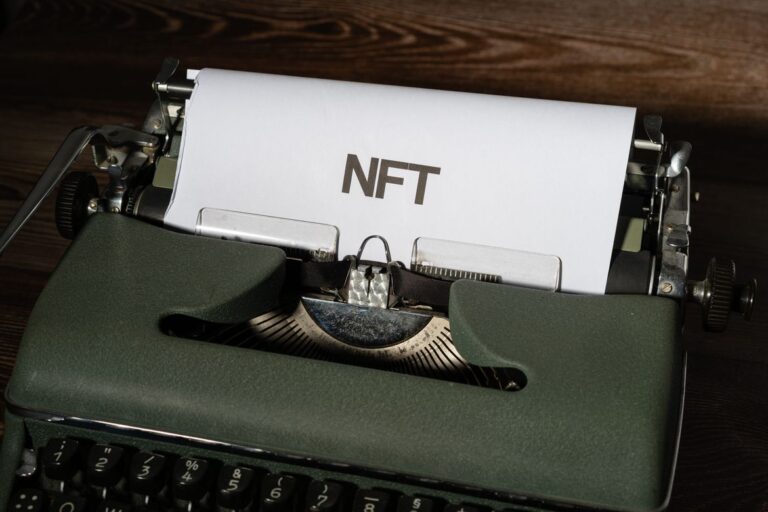
Weekly global NFT sales volume contracted to $37.54 million despite a massive surge in unique wallet participation, driven by a sharp pullback in Bitcoin-based NFT trading…

Buterin argues that automated formal verification can give software defenders a structural advantage by mathematically proving system security.