SEC Poised to Unveil Tokenized Stock ‘Innovation Exemption’
Following months of industry pressure, the SEC is expected to introduce a regulatory sandbox for tokenized equities. This framework aims to bridge the gap between traditional…
A gas war refers to situations on blockchain networks where users compete to have their transactions processed faster by offering higher transaction fees. This typically occurs during high-demand events such as token launches, NFT mints, or airdrops. Since many blockchains prioritize transactions with higher fees, users increase their gas prices to gain priority in the queue. As a result, fees can rise significantly within a short period, making participation expensive and unpredictable. Gas wars can lead to network congestion and failed transactions, especially for users who set lower fees. They highlight scalability challenges in blockchain systems and the impact of demand on transaction costs.
Following months of industry pressure, the SEC is expected to introduce a regulatory sandbox for tokenized equities. This framework aims to bridge the gap between traditional…
Charles Schwab has officially launched spot Bitcoin and Ether trading for its initial retail group, allowing users to manage digital assets alongside traditional stocks for a…
A coalition of wallet developers, security firms, and the Ethereum Foundation has introduced ERC-7730 and a new clear-signing infrastructure to transform hexadecimal transaction data into human-readable…
The Aptos Foundation and Aptos Labs have pledged $50 million to bridge the gap between blockchain and AI, focusing on sub-second finality for autonomous agents.
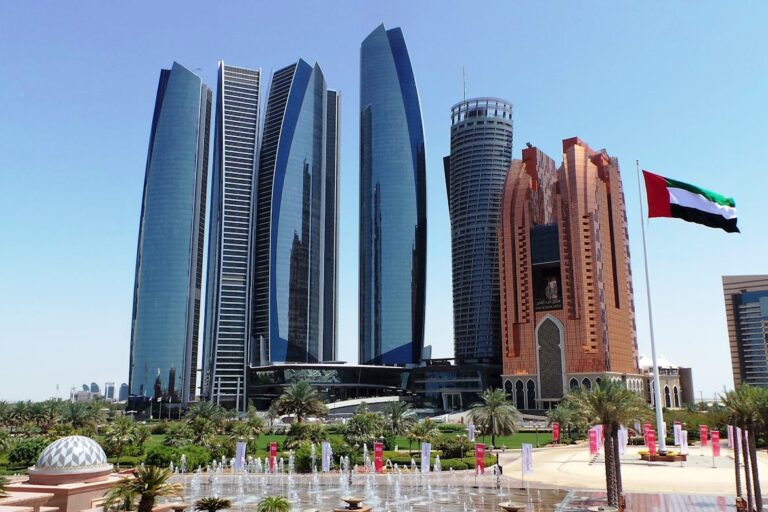
The world’s largest custodian, BNY, is expanding its digital footprint into the Middle East, partnering with Finstreet and ADI Foundation to offer regulated Bitcoin and Ether…

Innovation City Ras Al Khaimah is replacing static PDFs with dynamic onchain credentials, making sovereign digital identity a native feature for over 1,000 registered companies.

In a monumental shift for the ecosystem, Pavel Durov announces Telegram will replace the TON Foundation as the primary driver of The Open Network, signaling a…

Robert Hackett of a16z crypto argues that "stablecoin" is a defensive, outdated term that fails to capture the programmable future of onchain money as the market…

Visa’s stablecoin settlement pilot has reached a $7 billion annualized run rate, prompting the payment giant to add support for Arc, Base, Canton, Polygon, and Tempo.
Polymarket is in active discussions with the CFTC to lift the 2022 prohibition on US users, aiming to merge its massive international liquidity with its regulated…