Key Notes
- Justin Sun says he sold 80–90% of his ETH trading position around $3,600–$4,000 and had not rebuilt it at the interview.
- He says he kept a core Bitcoin holding despite becoming more cautious about cryptographic risks.
- His scenario involving 1 million to 2 million dormant BTC is hypothetical, not a confirmed wallet breach.
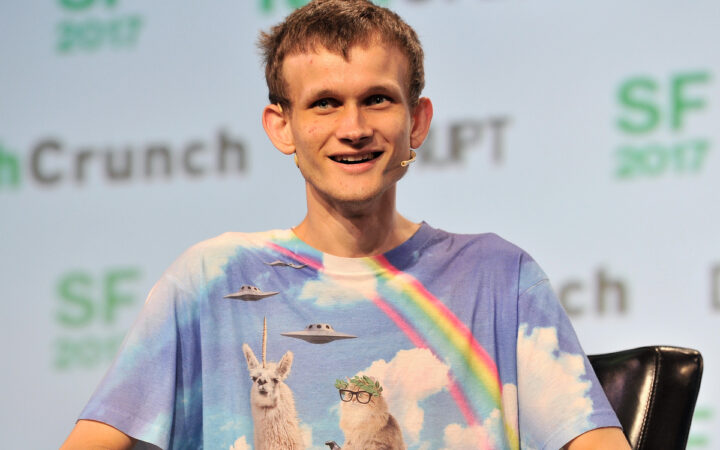
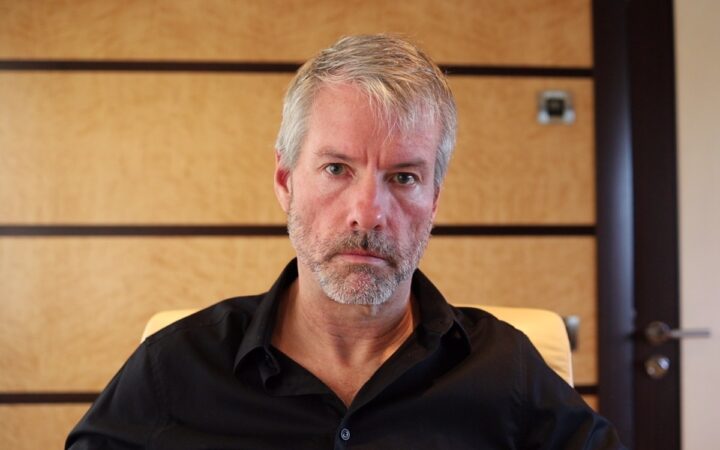
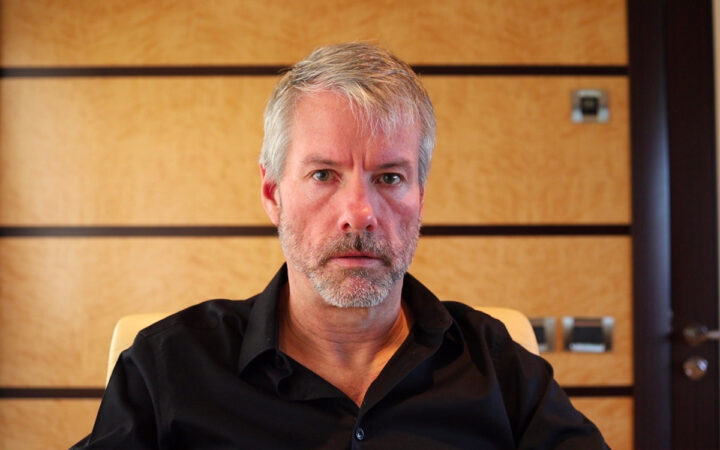
TRON founder Justin Sun said he sold roughly 80–90% of his Ether trading position when ETH traded around $3,600–$4,000 and had not rebuilt that position by the time of his interview with William Joy. He also outlined a more cautious Bitcoin outlook, citing advances in artificial intelligence and the potential threat from quantum computing.
The Chinese-language interview was uploaded to Joy’s YouTube channel on October 16. It combines Sun’s account of his portfolio decisions with forecasts about cryptography, decentralized exchanges, US debt and practical AI applications. The video above is the original Chinese upload.
A smaller ETH position, a cautious Bitcoin outlook
Sun described reducing his more aggressive ETH exposure during an earlier rally, rather than announcing a fresh sale at current market prices. The price range and percentage are his account of those decisions; they do not establish the size of the position in dollars or a complete inventory of wallets associated with him.
He distinguished that trading allocation from a core Bitcoin holding, which he said he had retained. A bearish assessment of future risks therefore should not be confused with a disclosure that he has exited Bitcoin altogether.
His concern is that investors may be underestimating how quickly cryptographic assumptions could change. Sun argued that AI-assisted mathematical discoveries might threaten early Bitcoin wallets even before a sufficiently powerful quantum computer becomes available.
He also discussed a scenario in which access to long-dormant or lost coins is recovered, estimating that roughly 1 million to 2 million BTC could become potential selling pressure. That is his hypothetical supply-overhang scenario, not a verified count of compromised coins. Recovering existing BTC would not create new bitcoin or increase the protocol’s issuance limit.
The security forecast needs a separate evidence test
The interview does not demonstrate that an AI system has recovered a Bitcoin private key from its public key, or that Satoshi-era wallets have been breached. Algorithmic advances on classical computers and attacks using quantum hardware are different possibilities and should not be treated as the same technical achievement.
Google Quantum AI’s research examines how future fault-tolerant quantum computers could attack elliptic-curve cryptography. Its resource estimates concern capabilities such machines would need; they are not evidence of an operational attack on Bitcoin wallets today.
Sun said TRON is testing quantum-resistant cryptography. That remains a statement about his team’s work, rather than independent confirmation that all TRON accounts, applications and bridges are already protected. He also discussed using previously unused addresses as a precaution; an address change by itself does not replace a blockchain’s signature scheme with a post-quantum one.
The distinction between observable transactions and speculation is also central to CoinScreamer’s dormant-wallet report. An old address moving coins does not, by itself, reveal whether its owner acted or someone recovered a key.
Hyperliquid and AI applications stand out
Sun described Hyperliquid as one of this cycle’s important developments, highlighting the product possibilities opened by perpetual contracts linked to stocks. His enthusiasm concerns the platform’s development; it is not a guaranteed return forecast for HYPE.
He was less alarmed by US government debt, arguing that refinancing can continue while buyers remain willing to fund new issuance. He linked that demand to America’s technological and military position. This is his macroeconomic thesis, rather than a claim that higher interest costs or refinancing constraints cannot matter.
On AI, Sun favored applications that improve everyday life, particularly health monitoring and decisions informed by personal data. He described understanding and using AI as an increasingly valuable skill, extending the practical-adoption focus of his earlier remarks on AI payments.
The interview’s strongest portfolio disclosure is backward-looking: Sun says he sharply reduced his ETH trading exposure. His projections about cryptographic breakthroughs, recovered coins and future market leaders remain forecasts to assess separately.
Disclaimer: CoinScreamer is an independent media brand owned and operated by NuvexMedia LLC, publishing news, research, and market insights on digital assets and related technologies. NuvexMedia LLC invests in and collaborates with companies across the digital asset, blockchain, and technology sectors. These relationships do not influence CoinScreamer’s editorial coverage, and the publication maintains full editorial independence to provide accurate, timely, and objective information. © 2025 NuvexMedia LLC. All rights reserved. This content is for informational purposes only and should not be considered legal, tax, investment, financial, or other professional advice.