Key Notes
- Jacob Creech invited L1, L2 and application teams to contact him about moving to Solana.
- He argues that capacity and security are driving blockchain consolidation.
- The posts named no projects that had agreed to migrate.
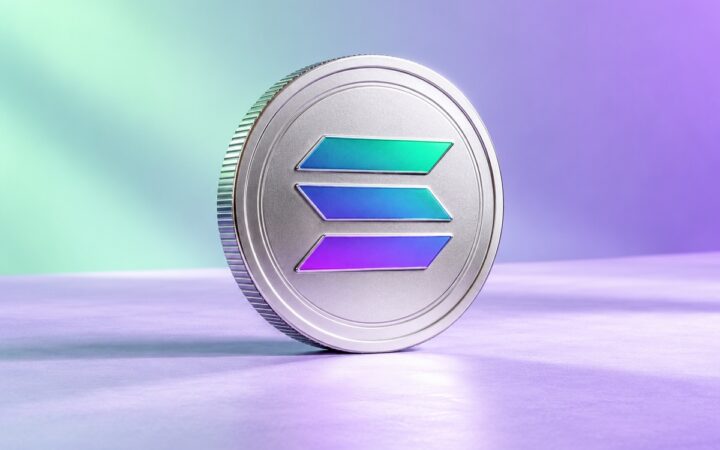
Solana Foundation vice president of technology Jacob Creech has invited rival blockchain projects and applications to migrate to Solana, arguing that the industry is consolidating around networks able to handle demanding financial activity.
In an October 27 post, Creech pointed to traffic handled, increasing capacity and institutional-grade security as the deciding factors. He claimed Solana alone meets that standard for critical financial infrastructure.
Read Jacob Creech’s post on blockchain consolidation.
— Jacob Creech (@jacobvcreech) October 27, 2026
An Invitation to Rival Chains and Apps
In a follow-up, Creech said his direct messages were open to teams considering a move, including L1s, L2s and an application on what he called a “dying blockchain.”
The posts named no departing projects, migration agreements or destinations being abandoned. His claim about Solana’s position is an argument from a Foundation executive, rather than an independent comparison of competing networks.
The Pitch Follows Solana’s Consensus Upgrade
The appeal comes after Solana’s move to Alpenglow, the consensus protocol now marked live on mainnet in the Foundation’s upgrade guide. It targets transaction finality of roughly 150 milliseconds, compared with about 12.8 seconds under the previous TowerBFT system.
Finality describes when consensus treats a transaction as irreversible. CoinScreamer’s launch coverage examined the October 21 handoff and distinguished protocol activation from an independently measured guarantee for every user transaction.
Solana also completed its separate 200ms slot rollout earlier in October. Slot timing measures opportunities to produce blocks; it is different from finality. Neither number, by itself, establishes a ranking of network security or a measure of completed application migrations.
Moving an Application Requires Its Own Work
Solana’s migration resources map Ethereum development concepts to the Solana Virtual Machine, with separate guides for accounts, programs, token standards and client differences. That reflects the implementation work behind a move between ecosystems.
The migration Creech is soliciting should also be distinguished from upgrading an application already on Solana. The Foundation says Alpenglow changed consensus while leaving the SVM, transaction execution and user fee mechanics intact.
Creech has previously made the same broader case for reliability. In a September essay, he described Solana’s earlier outages and subsequent engineering changes as lessons that strengthened the network. His new invitation turns that argument into a direct appeal for other teams to build there.
Disclaimer: CoinScreamer is an independent media brand owned and operated by NuvexMedia LLC, publishing news, research, and market insights on digital assets and related technologies. NuvexMedia LLC invests in and collaborates with companies across the digital asset, blockchain, and technology sectors. These relationships do not influence CoinScreamer’s editorial coverage, and the publication maintains full editorial independence to provide accurate, timely, and objective information. © 2025 NuvexMedia LLC. All rights reserved. This content is for informational purposes only and should not be considered legal, tax, investment, financial, or other professional advice.