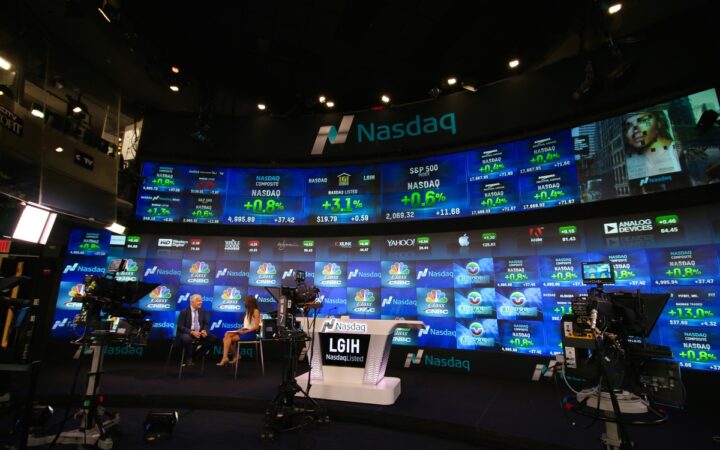
Nasdaq CEO Adena Friedman says tokenization could unlock tens of billions of dollars tied up in collateral across global finance. Speaking at TOKEN2049 in Singapore on October 8, she described potential efficiency gains, as CoinScreamer reported.
In her CNBC interview, Friedman said tokenizing Treasuries, equities and money market funds alongside money flows could make collateral easier to move. The opportunity concerns more efficient use of existing capital, rather than funds already released by a completed industrywide transition.
Separate Nasdaq and ValueExchange research illustrates the friction. Their survey of 203 market participants found that 70% encountered settlement matching and delivery problems daily. The average firm maintained approximately 7% excess collateral as a buffer against potential failures.
Nasdaq has also reported initial tokenized collateral test trades involving Vanguard and Wellington Management on the Canton Network. Nasdaq Calypso managed the workflow using tokenized money market fund shares, with real-time settlement and automatic inventory updates. These were test transactions, rather than a marketwide rollout.
Friedman cautioned that round-the-clock markets require continuous risk and collateral management, with AI helping institutions adapt. She also noted that some assets lack sufficient liquidity for 24/7 trading. Faster transfers therefore represent one part of a broader operational transition.
Disclaimer: CoinScreamer is an independent media brand owned and operated by NuvexMedia LLC, publishing news, research, and market insights on digital assets and related technologies. NuvexMedia LLC invests in and collaborates with companies across the digital asset, blockchain, and technology sectors. These relationships do not influence CoinScreamer’s editorial coverage, and the publication maintains full editorial independence to provide accurate, timely, and objective information. © 2025 NuvexMedia LLC. All rights reserved. This content is for informational purposes only and should not be considered legal, tax, investment, financial, or other professional advice.