Key Notes
- CZ’s condensed 2026 guide puts theft prevention, accidental loss and inheritance at the center of crypto security.
- Wallet backups and transaction checks matter alongside device protection, while exchange users must secure email, passwords and authentication.
- His custody framework weighs technical ability and access needs against the different responsibilities of personal wallets and exchanges.
Binance founder Changpeng Zhao has published a condensed 2026 guide to protecting cryptocurrency, covering personal wallets, private keys and exchange accounts. His central message is that security must address three different problems: theft, accidental loss and passing assets to loved ones.
Zhao, known as CZ, shared the guide on October 10, saying his earlier article was too lengthy. The new version builds on a Binance blog originally published in February 2020, rather than introducing a new custody product.
The recommendations arrive as hardware-wallet tampering has become a live concern. Ledger has separately confirmed an unauthorized implant in an affected customer’s device, illustrating why protecting a private key involves the equipment, its backups and the people handling both.
Keep Your Crypto #SAFU in 2026
— CZ (@cz_binance) October 10, 2026
Keeping Keys Offline Requires More Than a Device
The earlier Binance article explains the operational demands behind self-custody. A dedicated computer can hold keys and sign transactions offline, but installing software, moving transaction data and protecting the machine all require care. Offline signing also depends on support from the chosen wallet.
CZ’s approach includes obtaining software from official sources, checking downloads and encrypting the disk. His mobile-wallet discussion separates a dedicated device from an everyday phone used for browsing, messaging and downloads. The aim is to reduce opportunities for malicious software to reach sensitive information.
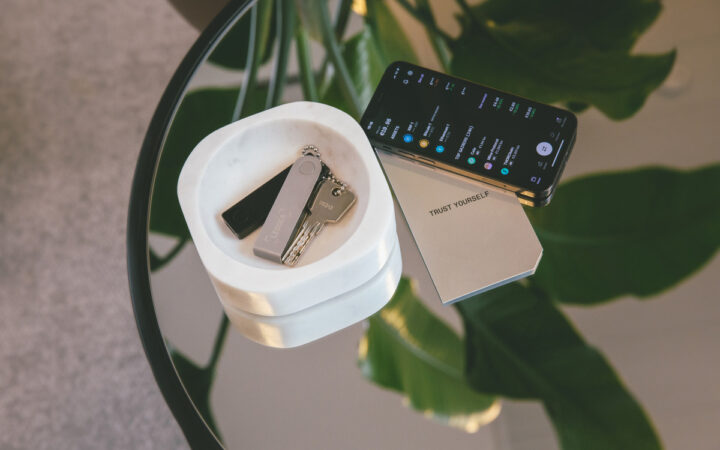
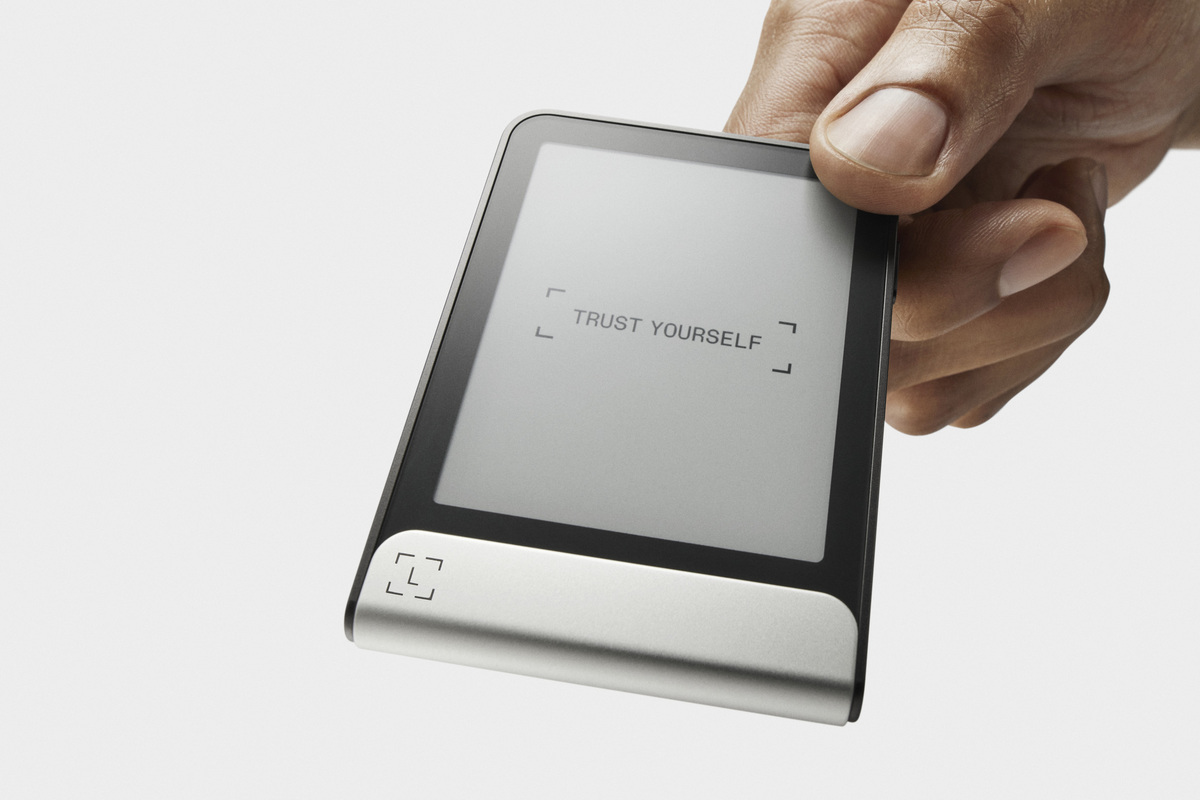
Hardware wallets offer another route by signing inside a separate device. The blog still stresses checking the destination address on the wallet’s own display, because malicious software on a connected computer can substitute an attacker’s address. Buying a device does not remove the need to inspect what it is being asked to authorize.
A Backup Can Restore a Wallet—or Expose It
Ledger’s recovery documentation explains why seed phrases deserve the same protection as signing hardware. The words allow a compatible wallet to regenerate the associated private keys. Losing a device need not mean losing access if that backup remains available and secure.
The reverse is equally important: somebody who obtains the phrase can restore access elsewhere. Replacing the hardware and importing the same words does not invalidate a copy already held by an attacker. A device PIN therefore cannot protect against disclosure of the underlying recovery phrase.
Ledger warns against entering a hardware wallet’s recovery words into a computer or phone, photographing them or storing them in cloud services. Its guidance also distinguishes physical durability from secrecy: a metal backup may withstand damage better than paper, but anyone able to read it can still obtain the recovery information.
Exchange Security Starts With Email and Authentication
CZ’s exchange checklist emphasizes unique passwords, protected email accounts, hardware security keys where supported and approved withdrawal addresses. He also warns about SMS-based authentication, exposed API credentials and unsolicited links or messages impersonating exchange staff.
These controls address different routes into an account. A strong exchange password offers limited protection if its recovery email is compromised, while stolen API credentials can create a separate access path. Account recovery settings deserve attention alongside the login screen.
Security-key maker Yubico’s technical explanation distinguishes ordinary one-time codes from phishing-resistant authentication. FIDO2/WebAuthn binds authentication to the intended service, making it harder for a fake website to capture credentials and reuse them against the real account.
That distinction matters because an attacker can relay a password and a fresh authentication code before the code expires. Phishing-resistant authentication reduces that particular risk; it does not make a compromised computer safe or replace checks on transaction destinations.
Recovery Planning Includes Inheritance
The guide also asks holders to prepare a recovery process for loved ones without unnecessarily exposing funds during their lifetime. Giving somebody the keys grants immediate spending access, while an inheritance mechanism is intended to make access possible under defined circumstances.
Binance Academy’s separate inheritance guide describes the distinction between technical access and the legal right to inherit. Documentation must identify the assets and explain recovery, while remaining consistent with the applicable estate process.
For exchange-held assets, beneficiaries generally need to follow the platform’s procedure and provide evidence of their authority. For self-custodied holdings, an executor may know that cryptocurrency exists yet still be unable to recover it without the necessary backup information. The practical test is whether the intended recipient can actually carry out the plan.
The Ledger Investigation Highlights Physical Risks
In its October 10 update, Ledger said one impacted user’s device contained unauthorized hardware and that CryptoBilis had paused all hardware-wallet sales. It reported no indication that Ledger’s own infrastructure, systems or services had been compromised.
As CoinScreamer’s investigation coverage explains, that finding does not establish a compromise across every Ledger device. The manufacturer’s setup warning concerns customers of the named reseller, and its response includes working with authorities and contacting affected users.
CZ’s broader position remains a choice between different responsibilities, rather than a universal winner. Our earlier custody debate examined the same tradeoff: personal wallets require reliable key protection and recovery, while exchange custody adds dependence on a service provider. His new guide urges holders to match that choice to their skills and access needs.
Disclaimer: CoinScreamer is an independent media brand owned and operated by NuvexMedia LLC, publishing news, research, and market insights on digital assets and related technologies. NuvexMedia LLC invests in and collaborates with companies across the digital asset, blockchain, and technology sectors. These relationships do not influence CoinScreamer’s editorial coverage, and the publication maintains full editorial independence to provide accurate, timely, and objective information. © 2025 NuvexMedia LLC. All rights reserved. This content is for informational purposes only and should not be considered legal, tax, investment, financial, or other professional advice.