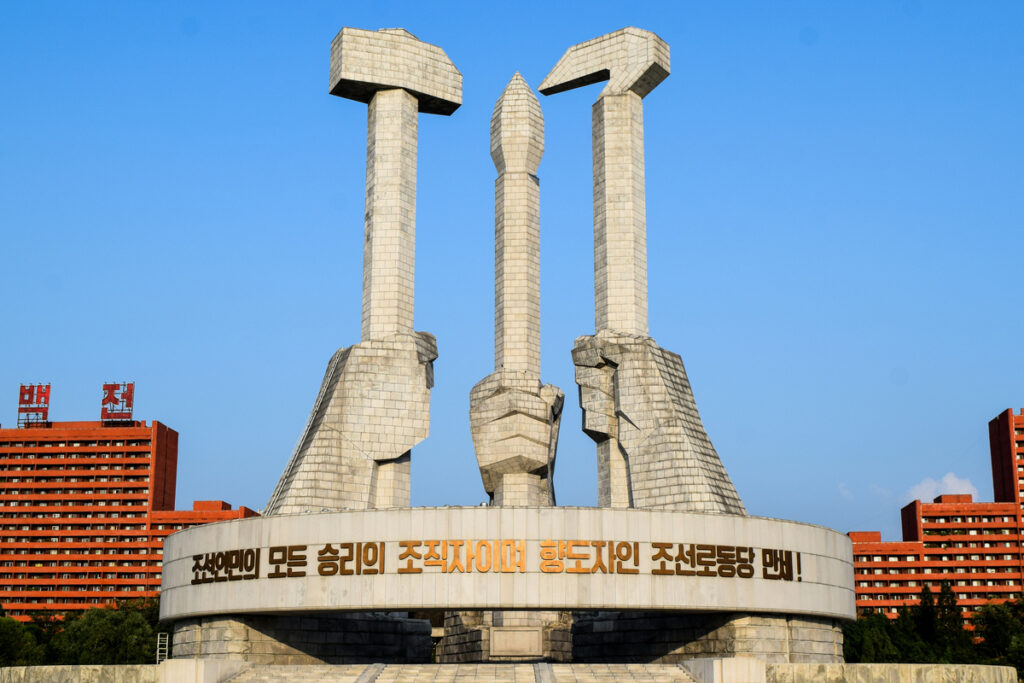
Kim Yo Jong Calls Binance Case a U.S. “Political Provocation”
Yonhap reports that Kim Yo Jong called the Binance case a U.S. political provocation, following the FBI’s attribution of the multibillion-dollar theft to North Korea.
Cryptocurrency news, market insight, company coverage, and practical guides related to crypto security.
Yonhap reports that Kim Yo Jong called the Binance case a U.S. political provocation, following the FBI’s attribution of the multibillion-dollar theft to North Korea.

The Secret Service says investigators helped freeze stolen Binance crypto within minutes and are working with federal partners as recovery efforts continue.
Binance has reopened selected withdrawals across ten networks and says 95% of affected assets are replenished. More routes will follow security checks.
Binance’s repayment pledge puts crypto custody protections in focus. Exchange reserves, private insurance and bank deposit guarantees cover different risks.
Binance says 90% of affected assets are replenished and ten major tokens fully backed. Withdrawals remain targeted for November 1; the full reserve proof is due…
BootROM flaws leave some older iPhones exposed to physical-access attacks. OneKey’s founder warns that a reset and airplane mode do not make them secure cold wallets.
Blockaid flags twelve crypto sites in a Step Drainer campaign as several teams restore service. Separately, Chainalysis reports access to customer profile data.
Coinbase says an Amplitude incident affected customer contact data but not funds. A claim that more than 70,000 users were affected remains unconfirmed.

Bithumb is checking whether an internal collaboration-system hack exposed customer data. The exchange says its separate trading network and crypto assets were unaffected.
Predict.fun reports unauthorized transfers of about 400,000 USDT, suspects its API documentation site may have been compromised, and promises reimbursement.
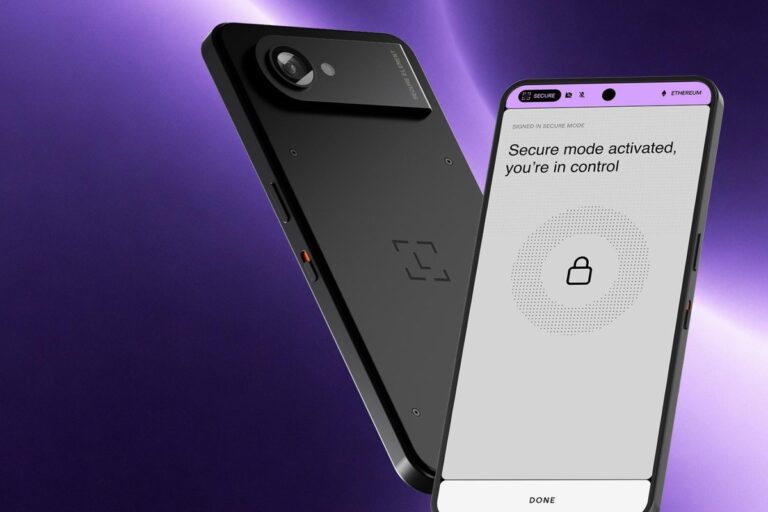
Ledger’s Atom pairs Android apps with secure transaction signing, Solana Mobile support and AI-agent controls, with shipping planned for summer 2027.

Ledger says attackers spent months modifying genuine wallets before a coordinated theft, as it bans shelf displays and reinforces its no-resale rule for returns.
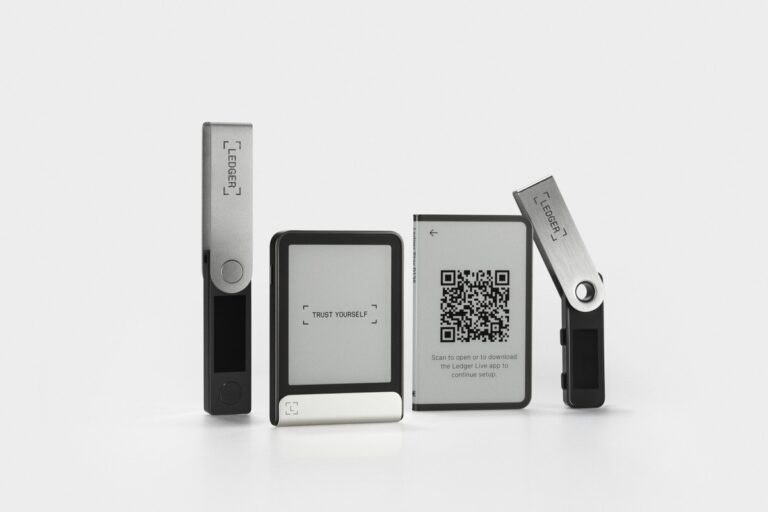
Mark Karpelès’s public Ledger database now lists 12 implant cases and two counterfeit devices, separating documented hardware reports from theft claims.