After Binance’s $6.3B Hack, What Actually Protects Your Crypto?
Binance’s repayment pledge puts crypto custody protections in focus. Exchange reserves, private insurance and bank deposit guarantees cover different risks.
Key Notes
- Binance’s reimbursement pledge is distinct from insurance or a government guarantee.
- FDIC deposit insurance does not cover crypto assets or a nonbank exchange failure.
- Self-custody shifts responsibility for private keys and recovery to the holder.
Binance’s roughly $6.3 billion hack has revived a question that matters beyond one exchange: what actually protects a customer when a crypto platform loses assets? An October 31 CNBC report examines the differences between an exchange’s repayment promise, private insurance and the protections available to bank depositors.
The distinction matters even when a company says it will make users whole. A reserve fund, an insurance policy and an enforceable customer claim are different protections, with different conditions.
Binance’s Repayment Pledge Is a Company Commitment
In its October 31 update, Binance said it had replenished 90% of affected assets and continued to target November 1 for withdrawals. That is a statement about replacing exchange backing, rather than a claim that investigators recovered 90% of the stolen funds. Our replenishment report covers the announcement.
Binance’s published SAFU FAQ describes an emergency protection fund, while reserving discretion over eligible losses and claims. It identifies certain losses caused by vulnerabilities or deficiencies in Binance’s systems or security as potentially eligible. The existence of that fund does not mean every individual account theft automatically qualifies.
Crypto Assets Do Not Carry FDIC Deposit Insurance
The U.S. Federal Deposit Insurance Corporation’s crypto advisory draws a clear boundary: it insures qualifying deposits at insured banks when those banks fail. Crypto assets are not insured deposits, and the failure of a nonbank exchange or custodian is not itself an FDIC-insured event.
Deposit insurance also is not a blanket guarantee against theft or fraud. A crypto company’s relationship with an insured bank does not turn the cryptocurrency in a customer’s account into an insured bank deposit.
Private Insurance Depends on the Policy
CNBC’s report highlights how recovery prospects depend on where stolen assets move, available reserves and the terms of any insurance. A platform-wide security breach and a criminal compromising an individual customer’s account may produce different coverage outcomes.
Customers therefore need more than a headline insurance figure: which losses qualify, what is excluded, and whether a limit is shared across customers all matter. It would also be too broad to assume that exchanges never have legal repayment obligations; the applicable law and customer agreement need to be examined.
Self-Custody Changes Who Carries the Risk
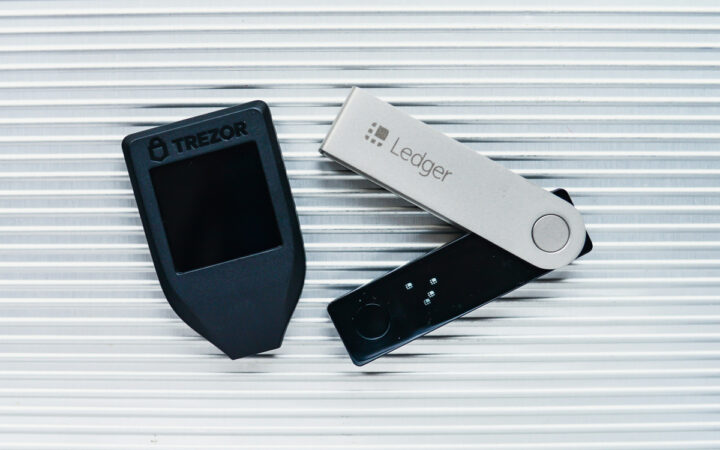
The SEC staff’s crypto custody investor bulletin explains that wallets hold the private keys used to access assets, rather than storing the coins themselves. With self-custody, the holder takes responsibility for those keys and their backups. Losing them can mean losing access to the assets.
Cold wallets reduce internet exposure, but devices can still be lost, damaged or stolen. Hardware also needs to be genuine and transactions need careful approval. Our Trezor reseller warning illustrates why the supply chain matters; that report concerns a credible implant allegation awaiting the company’s physical examination, not a confirmed theft of customer funds.
Questions to Ask Before Choosing Custody
The SEC bulletin suggests checking a custodian’s regulation, key controls, insurance and treatment of customer assets. Practical questions include:
- Who can authorize transfers, and is storage outsourced?
- Are customer holdings segregated, commingled or used for lending?
- What happens under the agreement if the custodian fails?
- What backup and recovery responsibilities remain with the customer?
For the Binance case specifically, tracing assets, freezing them, returning them through a legal process and funding customer obligations remain separate tasks. Our recovery explainer follows those distinctions.
Disclaimer: CoinScreamer is an independent media brand owned and operated by NuvexMedia LLC, publishing news, research, and market insights on digital assets and related technologies. NuvexMedia LLC invests in and collaborates with companies across the digital asset, blockchain, and technology sectors. These relationships do not influence CoinScreamer’s editorial coverage, and the publication maintains full editorial independence to provide accurate, timely, and objective information. © 2025 NuvexMedia LLC. All rights reserved. This content is for informational purposes only and should not be considered legal, tax, investment, financial, or other professional advice.