Key Notes
- Robinhood’s crypto chief says the company added $25 million in Bitcoin to its own balance sheet, separate from customer holdings.
- Johann Kerbrat framed the investment as a commitment to the crypto ecosystem, while describing its size as modest for the company.
- The purchase accompanies Robinhood’s expansion into US perpetual futures and onchain products, with no recurring Bitcoin buying plan disclosed.
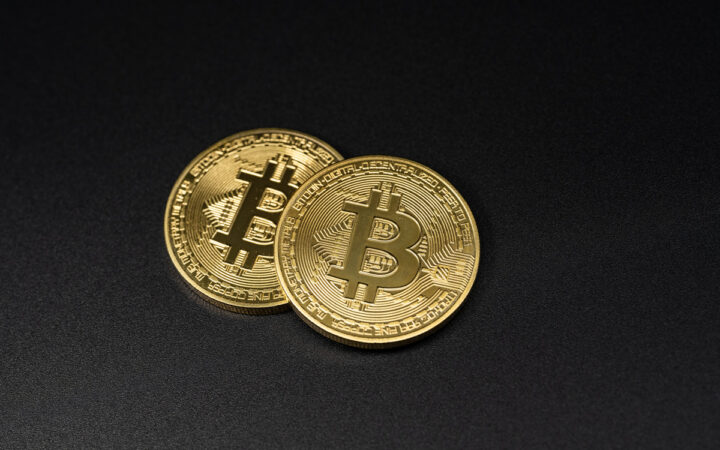
Robinhood has added $25 million worth of Bitcoin to its balance sheet, according to its crypto chief, putting some of the trading platform’s own capital behind an asset central to its business. The purchase adds direct corporate exposure alongside services that let customers trade and hold cryptocurrency.
Johann Kerbrat, Robinhood’s senior vice president and general manager of crypto and international, disclosed the move in an exclusive interview with The Block on October 7. He presented it as an expression of the company’s commitment to Bitcoin and the wider crypto community.
“We care deeply about bitcoin and the ecosystem around it,” Kerbrat said. He characterized the investment as relatively small for Robinhood, rather than something that would materially change the company’s trajectory.
A Corporate Holding, Separate From Customer Assets
The distinction between a company buying Bitcoin and holding it for customers is central to understanding the announcement. A corporate position gives the business direct exposure to the asset’s price. Customer custody balances represent assets held or administered for other people.
Robinhood’s investor overview illustrates the scale of that separate customer business. It reported 28.6 million funded customers and $384 billion in total platform assets as of August 31. Those figures describe the platform’s reach and customer assets, not money Robinhood can allocate to its own Bitcoin purchases.
The company’s definition of total platform assets includes customers’ equities, options, cryptocurrency and cash, as well as assets managed by advisers using TradePMR that are not custodied by Robinhood. Its cryptocurrency measure has included Bitstamp since June 2025.
Large balances associated with a brokerage therefore cannot simply be counted as its corporate treasury. Kerbrat’s statement concerns a specific balance-sheet purchase; it does not convert the platform’s existing customer holdings into company-owned Bitcoin.
Bitcoin Exposure Alongside a Wider Product Push
The purchase comes as Robinhood broadens its crypto offering beyond spot trading. At its September 29 HOOD Summit, the company announced plans for perpetual futures serving eligible US customers, alongside an expanded AI trading experience.
The planned contracts cover Bitcoin, Ether, Solana, XRP, Dogecoin, Cardano, Chainlink and Hyperliquid. Robinhood said Bitcoin and Ether contracts would support up to 10x leverage, with a 3x limit on the other six assets. The announcement described availability in the coming months, rather than access for every customer immediately.
Robinhood Derivatives will offer the contracts through Bitstamp. Perpetual futures let traders take long or short exposure without a contract expiry, making them a different product from buying Bitcoin outright or owning shares in a company that holds it.
CoinScreamer previously covered the US perpetuals announcement and the separate rollout of Robinhood Agents. Those initiatives expand what customers can do through the platform; the reported Bitcoin holding adds an investment decision at the company level.
Robinhood Chain Extends the Onchain Strategy
Robinhood’s blockchain ambitions also extend to infrastructure and tokenized securities. Its July 1 mainnet announcement introduced Robinhood Chain as an Arbitrum-based Ethereum Layer 2 and brought new Stock Tokens to eligible Robinhood Wallet users.
The company described access in more than 120 countries, subject to jurisdictional restrictions, with round-the-clock trading on the chain. It also outlined uses for the tokens in lending pools and as collateral, connecting the brokerage’s distribution with decentralized financial applications.
The legal exposure is different from ordinary share ownership. Robinhood’s disclosures identify Stock Tokens as tokenized debt securities that track underlying securities economically without granting holders legal or beneficial ownership of those shares. They are unavailable in the United States or to US persons.
That infrastructure is the backdrop to CEO Vlad Tenev’s plan to expand the selection into the thousands and eventually offer private-company tokens, which CoinScreamer examined in its stock-token coverage. The ambitions concern new customer products, not additional Bitcoin treasury purchases.
Purchase Details and Future Allocations Remain Open
The Block’s interview report does not specify how many bitcoins Robinhood acquired, its execution price, the purchase date or the custody arrangements for the corporate position. It also does not set out a recurring buying schedule or a target allocation.
Those missing details limit comparisons with companies built around large Bitcoin reserves. For now, the disclosed development is a $25 million position that Kerbrat frames as alignment with the crypto ecosystem. Any larger treasury strategy would require further information about the company’s intended holdings and financing.
Disclaimer: CoinScreamer is an independent media brand owned and operated by NuvexMedia LLC, publishing news, research, and market insights on digital assets and related technologies. NuvexMedia LLC invests in and collaborates with companies across the digital asset, blockchain, and technology sectors. These relationships do not influence CoinScreamer’s editorial coverage, and the publication maintains full editorial independence to provide accurate, timely, and objective information. © 2025 NuvexMedia LLC. All rights reserved. This content is for informational purposes only and should not be considered legal, tax, investment, financial, or other professional advice.