Key Notes
- Fidelity Crypto now supports AAVE, LINK and UNI alongside five existing assets, expanding direct token trading through its website and mobile app.
- Eligible accounts can trade from $1 with a 1% fee on buys and sells, while Oregon customers cannot buy, sell or deposit the three additions.
- The tokens provide exposure to lending, blockchain-data and exchange ecosystems, while Fidelity’s custody service remains separate from protocol participation and securities brokerage.
Fidelity has added Aave (AAVE), Chainlink (LINK) and Uniswap (UNI) to Fidelity Crypto, expanding the tokens eligible customers can trade through its website and mobile app.
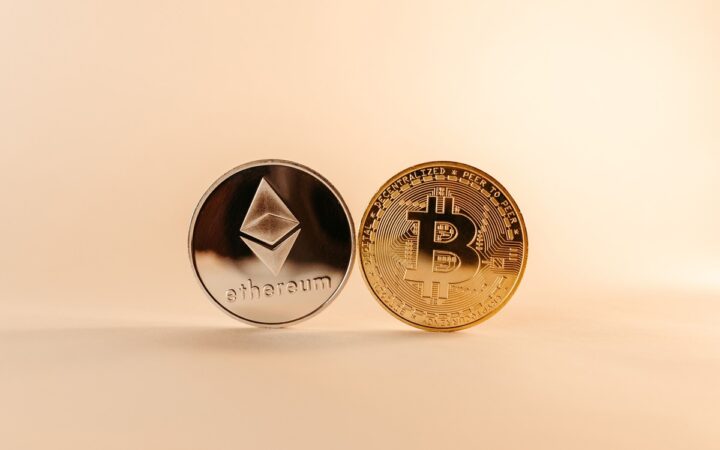
The company announced the additions on November 24. Its updated asset lineup now contains eight cryptocurrencies, including Bitcoin, Ether, Solana, Litecoin and Fidelity Digital Dollar, the firm’s dollar stablecoin.
Introducing three cryptocurrencies now available to trade with Fidelity Crypto®: AAVE, LINK, and UNI. Learn more: https://t.co/z4AkE1bvCo pic.twitter.com/rMTh7yFvN3
— Fidelity Investments (@Fidelity) November 24, 2026
Three Tokens Broaden the Crypto Offering
The additions bring exposure to several parts of the blockchain economy. Aave operates lending and borrowing markets, Chainlink supplies external data and interoperability services, and Uniswap supports decentralized trading through liquidity pools.
Their tokens have different roles from the assets previously available on Fidelity’s platform. AAVE and UNI are associated with the governance of lending and exchange protocols, while LINK is used within Chainlink’s data-services network.
Buying a token is distinct from using its protocol. Fidelity’s Aave explainer says investing in AAVE provides price exposure, while lending and borrowing are separate activities. A purchase through Fidelity does not itself establish a lending position or liquidity-pool deposit.
Trading Starts at $1 With a 1% Fee
Fidelity’s trading guide lists a $1 minimum and a 1% fee on each buy or sell in Fidelity Crypto accounts and crypto IRAs. Purchases and sales of FIDD against US dollars are exempt from that trading fee.
Customers can place market and limit orders. The normal trading window runs for 23 hours daily, from 1 a.m. Eastern Time until midnight. Scheduled maintenance can extend the overnight closure until 4 a.m.
The guide sets a $1 million maximum order for AAVE, LINK and UNI, subject to market and network conditions. The service supports spot cryptocurrency purchases, with futures unavailable.
State Eligibility Still Limits Access
The rollout remains subject to account and location requirements. Fidelity’s state availability guide says Oregon customers cannot buy, sell or deposit AAVE, LINK, SOL or UNI. Fidelity Crypto IRAs are also unavailable in Oregon.
Crypto custody and trading are provided by Fidelity Digital Assets, National Association, a national trust bank. Customers can access those accounts alongside traditional investments, but they remain separate from the securities brokerage operated by Fidelity Brokerage Services.
The company’s account explanation says private keys are held in offline wallets and staking is not offered. Fidelity also states that crypto holdings are not covered by FDIC deposit insurance or SIPC protection. Sharing an app with stocks and ETFs does not give the assets identical protections.
Brokerages Expand Beyond Bitcoin and Ether
The launch follows a wider expansion of direct crypto access through established financial firms. MarketSpeaker’s Schwab crypto coverage tracked the addition of Solana, Avalanche and Chainlink, which brought that platform’s lineup to five assets.
Fidelity’s blockchain work also extends beyond retail trading. Its FCAT research unit recently became a required bridge verifier for Ondo Stocks. That tokenized-securities infrastructure project is separate from the three-token trading rollout.
Disclaimer: CoinScreamer is an independent media brand owned and operated by NuvexMedia LLC, publishing news, research, and market insights on digital assets and related technologies. NuvexMedia LLC invests in and collaborates with companies across the digital asset, blockchain, and technology sectors. These relationships do not influence CoinScreamer’s editorial coverage, and the publication maintains full editorial independence to provide accurate, timely, and objective information. © 2025 NuvexMedia LLC. All rights reserved. This content is for informational purposes only and should not be considered legal, tax, investment, financial, or other professional advice.