Key Notes
- Coinkite says a seed-generation integration error remained in shipped Coldcard firmware for more than five years and enabled offline reconstruction of private keys.
- Corrected firmware repairs future seed generation, while affected existing wallets still require migration to a new verified seed unless the documented dice exception applies.
- Independent review confirmed the repair within specific signed releases, while attacker identification, AI involvement and customer compensation remain unresolved.
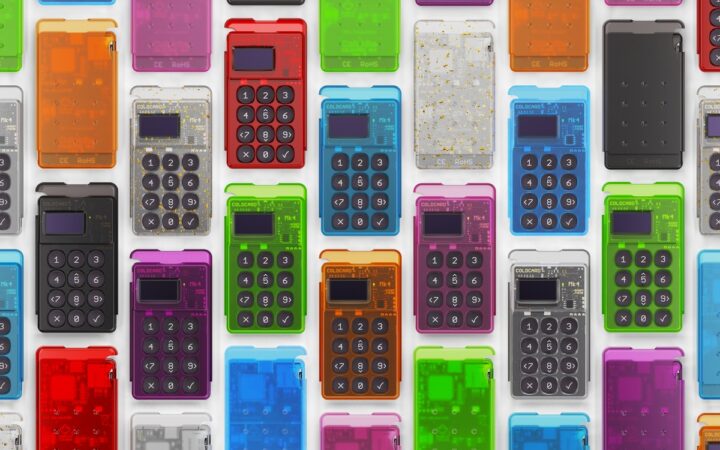
Coldcard maker Coinkite has published a detailed account of the seed-generation flaw that remained in shipped firmware for more than five years and enabled July’s Bitcoin thefts. Attackers reconstructed private keys offline without accessing the hardware wallets.
The November 24 postmortem announcement reiterates that installing corrected firmware does not protect an existing affected seed. Owners must check how their wallet was created and follow the migration guidance where applicable.
Losses Span Thousands of Bitcoin Addresses
Galaxy Research’s August 14 loss assessment identified 1,778.84 BTC stolen from more than 8,600 addresses with high confidence. It excluded additional suspected thefts that had not been confirmed.
Those are historical tracing figures, not a new November loss count. Addresses also do not equal individual victims, because one wallet can generate many addresses. Coinkite says the complete affected population and total losses remain unknown.
The Firmware Used the Wrong Randomness Source
The independent Keylabs review identifies a configuration and linking error: seed generation reached MicroPython’s Yasmarang software generator instead of the intended STM32 hardware random-number generator.
A seed is the master secret from which a wallet’s private keys are derived. Insufficient randomness reduced the range of possible secrets, allowing attackers to regenerate vulnerable keys elsewhere. Keeping the physical device offline could not restore randomness missing when the seed was created.
Keylabs found that the defective output could pass statistical health checks. Establishing that output looks random is different from verifying which source actually generated it.
Reviews Missed the Defect, AI Attribution Remains Open
Coinkite’s technical report documents at least 15 independent reviews and research efforts between 2021 and 2026. Their scopes varied, and many were targeted investigations rather than complete firmware audits. None identified and reproduced this integration defect before the thefts.
The company identified the flaw on July 30 and released fixes on July 31. It calls AI-assisted discovery plausible because Kimi K3’s model weights were released shortly before the attacks, but says who discovered and exploited the defect remains unknown.
AIstify’s Kimi safeguards coverage examines later efforts to limit offensive capabilities in K3.1 Pro. That separate model-policy debate does not establish which tools the Coldcard attackers used.
A Firmware Update Is Not a Seed Migration
The official migration guide covers affected seed generation on Mk2, Mk3, Mk4, Mk5 and Q devices. Standard and Edge release tracks have different version boundaries. A securely generated external seed was not weakened merely by importing it, while restoring an affected seed elsewhere does not repair it.
For affected wallets, Coinkite directs owners to install verified fixed firmware, generate a completely new seed, verify its backup and receiving address, then test a small transfer before moving the remaining funds. Funded passphrase wallets and other derived wallets must also be considered. The only working backup should not be destroyed during migration.
The dice exception requires at least 50 fair, independent, private and unrecorded rolls entered through Add Dice Rolls, using the final words produced. Owners uncertain whether those conditions were met are directed to migrate. Recovery words must never be entered into a website or sent to support.
Independent Verification Has a Defined Scope
The current security status recommends standard firmware 5.6.3 for Mk4/Mk5 and 1.5.3Q for Q. Keylabs verified the repaired path in four signed Mk5 and Q releases, including their immediate predecessors. Edge releases and unrelated firmware components were outside its audit.
The seed flaw is separate from the physical implants described in CoinScreamer’s Ledger investigation coverage. Coinkite has not settled a compensation or assistance program for customers who lost funds.
Disclaimer: CoinScreamer is an independent media brand owned and operated by NuvexMedia LLC, publishing news, research, and market insights on digital assets and related technologies. NuvexMedia LLC invests in and collaborates with companies across the digital asset, blockchain, and technology sectors. These relationships do not influence CoinScreamer’s editorial coverage, and the publication maintains full editorial independence to provide accurate, timely, and objective information. © 2025 NuvexMedia LLC. All rights reserved. This content is for informational purposes only and should not be considered legal, tax, investment, financial, or other professional advice.