Tether and Kazakhstan’s Central Bank Explore Tenge Stablecoin
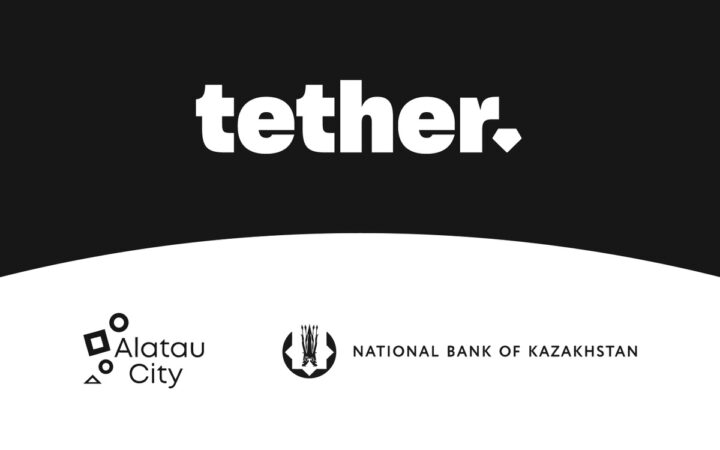
Tether, Kazakhstan’s central bank and Alatau City Authority will study a tenge stablecoin and prepare an asset-tokenization pilot, potentially using Hadron.
Key Notes
- Tether, Kazakhstan’s central bank and Alatau City Authority signed a memorandum to study a tenge-pegged stablecoin and prepare a pilot proposal.
- A separate Alatau pilot will explore asset tokenization, with Tether’s Hadron platform identified as a potential technology option.
- The agreement builds on Kazakhstan’s existing digital-asset programs, while token design, reserve arrangements and launch dates remain undisclosed.
Tether, the National Bank of Kazakhstan and Alatau City Authority have signed a memorandum of understanding to explore a stablecoin pegged to the tenge and develop asset-tokenization projects. The agreement brings the stablecoin company into Kazakhstan’s work on digital financial infrastructure.
Tether announced the memorandum on October 7. The parties plan to prepare a stablecoin concept and pilot proposal, alongside a separate tokenization pilot within Alatau’s jurisdiction. The announcement establishes a development agenda, with issuance terms and launch dates still to be determined.
A Tenge Stablecoin Begins With a Pilot Proposal
The stablecoin work will examine international issuance models and identify potential uses for a token linked to Kazakhstan’s national currency. Preparing the concept and pilot proposal is the next step before a particular operating model can be assessed.
The announcement does not identify an issuer, token name, blockchain, reserve structure or redemption process. Those choices will determine how a future tenge token is backed, who can hold it and how users can convert it into conventional money.
A tenge peg would give the proposed token a local-currency reference. That is a different monetary exposure from a dollar stablecoin: maintaining a relationship with the tenge would not mean maintaining a fixed value against the US dollar. Tether has not announced that the project will use its existing USDT token.
Hadron Could Support the Tokenization Work
The tokenization program will identify priority asset categories and develop a conceptual framework before a pilot in Alatau. Tether’s Hadron platform is a potential technology option; the memorandum does not establish that a specific asset has already been issued through it.
Hadron’s platform overview describes tools for creating, managing and monitoring tokens representing assets or rights. Supported categories include corporate equity, government debt, bonds, commodities and stablecoins, giving the proposed research a range of possible starting points.
The platform also offers identity, business-verification and transaction-monitoring tools, commonly described as KYC, KYB and KYT. These functions are relevant to institutional issuance, where transfer permissions and participant checks must operate alongside the blockchain record.
A tokenization platform supplies part of the infrastructure. Each project still needs a clear definition of the underlying asset and the holder’s rights. The Kazakhstan announcement leaves those details for the framework and pilot design, rather than specifying a first bond, property or commodity to tokenize.
Alatau Already Has a Tokenization Agenda
The city’s involvement builds on work that predates the Tether agreement. In an August 26 government update, Kazakhstan said Alatau and the National Bank had prepared a Tokenization by Default concept.
That update reported interest from 43 international and Kazakh companies and plans to launch tokenization projects worth up to $10 million in aggregate by the end of 2026. Those figures concern the city’s broader program. Tether’s memorandum does not identify those companies as its partners or assign that project value to the new agreement.
The distinction keeps two milestones separate: Alatau’s existing plans to attract projects and the newly announced cooperation with Tether. The memorandum provides a framework for additional technical work within that setting.
Kazakhstan Tested a Tenge Stablecoin in 2025
Kazakhstan’s central bank previously launched a tenge-backed stablecoin pilot in its regulatory sandbox in September 2025. Intebix, an exchange registered at the Astana International Financial Centre, participated alongside Solana, Mastercard and Eurasian Bank.
The bank described that earlier project as a way to connect crypto markets with traditional financial infrastructure, including exchanging crypto into tenge-denominated stablecoins and conducting transactions through crypto cards. Its sandbox provided a special regime for testing digital-asset services.
The new memorandum should therefore be understood as another initiative in an existing national program. Tether’s announcement does not say that it is taking over the Intebix pilot, migrating that token or replacing its technology partners.
Policy and Institutional Infrastructure Develop Together
The National Bank’s July 8 policy update outlined a wider push into practical digital-asset projects. It included work on stablecoins for cross-border payments, tokenized government bonds, DeFi regulation and Alatau’s digital infrastructure.
CoinScreamer previously covered Kazakhstan’s crypto-linked investment plans. The Tether memorandum concerns a separate set of questions: how digital money and tokenized claims could be issued and used within the financial system.
Related institutional infrastructure efforts, including the LG CNS platform covered by CoinScreamer, show the operational work involved in connecting tokens with established financial services.
The Tether agreement also includes workshops and training on issuance, reserve management and real-world asset tokenization for National Bank specialists and government agencies. Deputy Governor Binur Zhalenov emphasized financial stability, transparent transactions and investor protection. The next concrete disclosures will be the proposed stablecoin’s design and the assets selected for Alatau’s pilot.
Disclaimer: CoinScreamer is an independent media brand owned and operated by NuvexMedia LLC, publishing news, research, and market insights on digital assets and related technologies. NuvexMedia LLC invests in and collaborates with companies across the digital asset, blockchain, and technology sectors. These relationships do not influence CoinScreamer’s editorial coverage, and the publication maintains full editorial independence to provide accurate, timely, and objective information. © 2025 NuvexMedia LLC. All rights reserved. This content is for informational purposes only and should not be considered legal, tax, investment, financial, or other professional advice.