Key Notes
- miPlata’s Visa prepaid card uses Stripe-owned Bridge as program manager and Lead Bank as issuer.
- Purchases authorize stablecoin sales that load fiat proceeds onto the card.
- Eligibility checks and program fees apply, and the public materials do not give the original launch date.
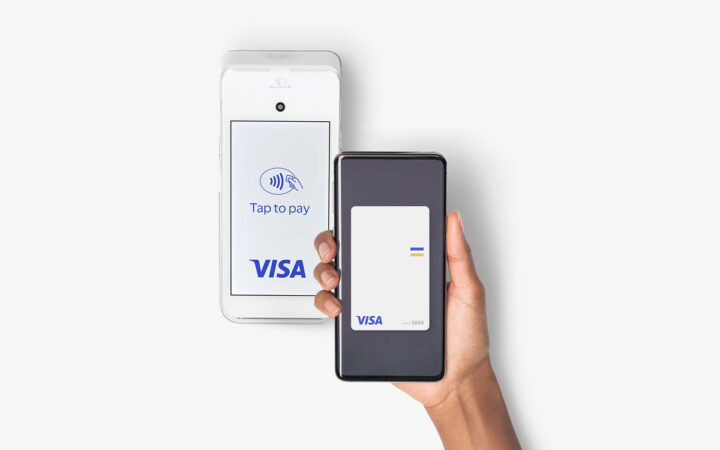
miPlata is offering a Visa prepaid card that lets customers spend from stablecoin balances through infrastructure managed by Stripe-owned Bridge. Lead Bank issues the card, while miPlata provides the application and tools customers use to access and manage it.
The arrangement connects digital-dollar balances with conventional card payments. The cardholder agreement identifies Bridge Ventures as program manager and Plata Financial, miPlata’s corporate entity, as platform provider.
Stablecoins Are Converted When Customers Spend
Under the agreement, initiating a purchase authorizes a sale of stablecoins from the customer’s designated account or digital wallet. The resulting fiat proceeds load onto the card to cover the transaction.
The card therefore holds fiat currency at the payment stage. It is a prepaid product, with spending funded by available value rather than a revolving credit line. The agreement also says Lead Bank does not handle the custody, purchase or sale of the underlying stablecoins.
This model lets a customer use a stablecoin balance at a participating Visa merchant without requiring that merchant to receive tokens directly. Card acceptance and approval of a customer’s account remain subject to the program’s terms.
Identity Checks and Program Terms Apply
miPlata’s website markets its service to Latinos seeking to receive, send and spend digital dollars. It advertises virtual and physical cards and an application process using government identification, with approval times varying by document type.
Its disclosures say applicants must be at least 18. The card agreement requires identity verification and approval by both the platform provider and program manager before use. Accepting identification from several countries does not itself establish unrestricted availability in every jurisdiction.
The agreement lists a $2,000 maximum per transaction, subject to restrictions or changes. It says the bank does not directly charge for purchases or loading, but customers should check platform and program-manager charges associated with stablecoin sales. Merchant-currency conversion can also affect the final cost.
The agreement states that fiat balances on this prepaid card are not eligible for FDIC insurance and do not earn interest. Those terms describe the card account specifically.
Part of Stripe’s Wider Stablecoin Card Business
Bridge’s relationship with Stripe is established in Visa’s announcement about their broader card collaboration. Visa identifies Bridge as a Stripe company and describes its work with Lead Bank on stablecoin-linked card infrastructure.
Stripe’s October update explains that its issuing tools can connect cards to stablecoin balances held through several wallet arrangements, with conversion into local currency at checkout. That wider infrastructure coverage does not determine miPlata’s individual eligibility rules.
The card complements Stripe’s separate wallet payouts business: one service sends tokens to recipients, while the other makes balances spendable through existing merchant payment networks. The public miPlata materials reviewed for this report do not specify the card program’s original launch date.
Disclaimer: CoinScreamer is an independent media brand owned and operated by NuvexMedia LLC, publishing news, research, and market insights on digital assets and related technologies. NuvexMedia LLC invests in and collaborates with companies across the digital asset, blockchain, and technology sectors. These relationships do not influence CoinScreamer’s editorial coverage, and the publication maintains full editorial independence to provide accurate, timely, and objective information. © 2025 NuvexMedia LLC. All rights reserved. This content is for informational purposes only and should not be considered legal, tax, investment, financial, or other professional advice.