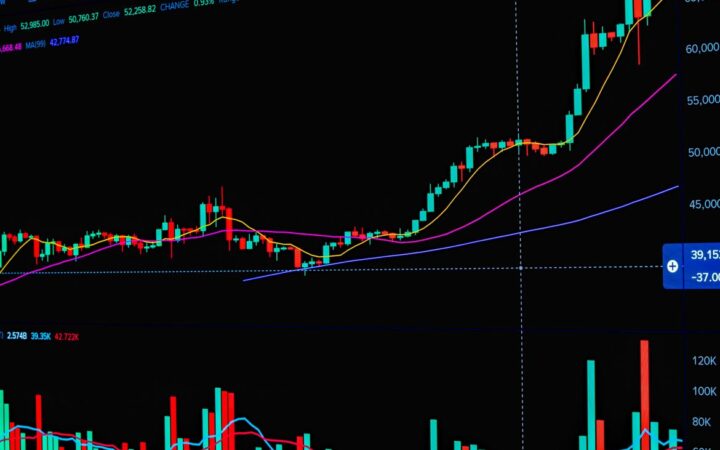
On May 13, 2026, eToro (ETOR) released a first-quarter earnings report that presented a striking paradox: while the platform’s crypto-related revenue and trading activity cooled significantly, its leadership is leaning into the sector more aggressively than ever. Despite a cold front in the derivatives market, CEO Yoni Assia remains steadfast, predicting that Bitcoin and the broader market will surge toward all-time highs before the year is out.
Chill in the Crypto Financials
The numbers for the first quarter highlight a notable retreat in retail engagement. Revenue from crypto assets fell 38% year-over-year to $2.15 billion. The impact was felt most acutely in the high-leverage segment, where net trading income from crypto derivatives plummeted 57%, resting at $33.4 million.
This downward trend showed no signs of slowing in the early spring. Data for April revealed that the total number of crypto trades on the platform slid 32% compared to the same month in 2025, while the average amount invested per trade dropped by 22%. However, it wasn’t all red ink for the social trading giant. eToro’s overall net income actually rose 37% to reach $82.4 million, suggesting that the firm’s diversified cross-asset model is shielding it from the specific volatility of the digital asset market.
The “Buy the Dip” Mentality
While the charts might suggest a waning interest, Yoni Assia interprets the data through a more optimistic lens. Speaking to CNBC, Assia noted that when markets soften, the eToro user base tends to show resilience rather than panic. “Our data suggests that when the markets fall, retail investors on eToro actually buy the dip,” Assia explained.
Assia’s conviction is rooted in the belief that the current lull is merely a consolidation phase. He expects crypto engagement to reignite as prices trend back toward record levels, a shift he believes will be a primary driver for the platform’s performance in the latter half of 2026.
Strategic Expansion: New York and Zengo
Proving that its bullishness isn’t just talk, eToro has moved forward with two massive structural plays. The company officially activated its New York BitLicense, three years after it was initially granted, clearing the path for eToro to tap into the lucrative New York trading market.
Furthermore, eToro finalized its $70 million acquisition of self-custodial wallet provider Zengo on April 30. According to Assia, this move is central to the company’s vision of “bridging traditional finance with on-chain infrastructure.” By integrating Zengo’s technology, eToro aims to expand its footprint in prediction markets, perpetuals, and the wider decentralized ecosystem. Even as ETOR shares dipped slightly by 0.61% in pre-market trading, the company’s trajectory remains firmly pointed toward an on-chain future.
Disclaimer: CoinScreamer is an independent media brand owned and operated by NuvexMedia LLC, publishing news, research, and market insights on digital assets and related technologies. NuvexMedia LLC invests in and collaborates with companies across the digital asset, blockchain, and technology sectors. These relationships do not influence CoinScreamer’s editorial coverage, and the publication maintains full editorial independence to provide accurate, timely, and objective information. © 2025 NuvexMedia LLC. All rights reserved. This content is for informational purposes only and should not be considered legal, tax, investment, financial, or other professional advice.