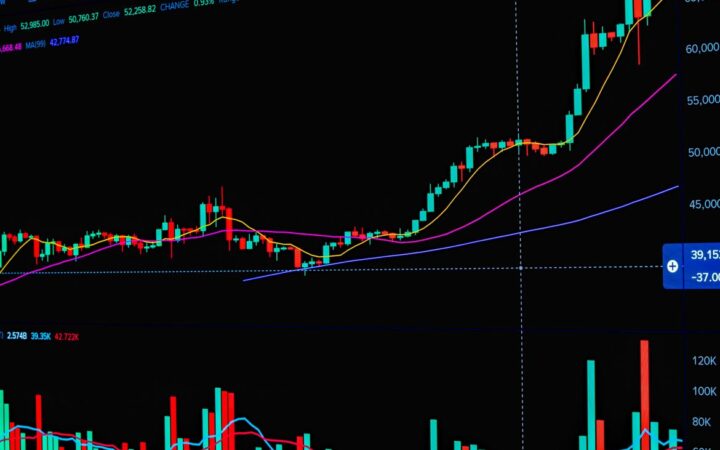
The cryptocurrency market is increasingly operating as a mirror to macroeconomic and global geopolitical risk. After weeks of downward pressure, Bitcoin (BTC) staged a modest recovery to reclaim the $67,000 threshold. However, market analysts and on-chain researchers warn that this rebound lacks structural conviction and is entirely dependent on the survival of a fragile, newly brokered framework peace deal between the United States and Iran.
The sudden market shift directly follows an announcement by US President Donald Trump, who confirmed that a comprehensive framework agreement had been reached to halt 15 weeks of active military conflict in the Middle East. Facilitated by Pakistani and Qatari mediators, the breakthrough agreement mandates the immediate termination of military operations across all fronts, including Lebanon. Crucially for global commerce, the deal triggers the immediate removal of the US naval blockade on Iranian ports and reopens the vital Strait of Hormuz to international shipping, a move Trump heralded on social media with: “Ships of the World, start your engines. Let the oil flow!”.
Technical Momentum vs. Geopolitical Headwinds
Despite the geopolitical relief lifting spot prices from their June 6 lows below $60,000, underlying technical indicators are painting a starkly divergent picture. Market intelligence firm Swissblock reports that Bitcoin remains firmly entrenched within a “weak momentum and participation regime.” Key trading indicators have failed to flip positive alongside the price action, signaling that institutional and retail conviction remains severely depressed.
Path Ahead: Oil Shocks and Safe-Haven Dynamics
Nick Ruck, director at LVRG Research, emphasizes that Bitcoin is navigating a highly volatile path dictated almost entirely by macro catalysts. The initial text of the agreement is slated for an official signing ceremony this Friday in Switzerland. This will trigger a critical 60-day window for intensive technical negotiations regarding Iran’s nuclear program and long-term US sanctions relief.
Should these upcoming talks collapse, or if ongoing regional frictions, such as friction surrounding military positioning in Lebanon, derail the memorandum, the resulting macro fallout could hit the crypto market from two separate angles. Initially, any renewal of hostilities and subsequent energy infrastructure shocks could cause Bitcoin to attract short-term bids as an alternative, non-sovereign hedge asset. However, Ruck notes that the secondary wave of broader, systemic “risk-off” capital flows would likely overwhelm that initial safe-haven thesis. This dynamic would drag Bitcoin back down toward major domestic support blocks, underscoring how deeply institutionalized the asset has become within the global macroeconomic framework. Early Tuesday trading already reflected this underlying anxiety, with Bitcoin retracing below $66,000 as market participants wait to see if the historic deal actually holds.
Disclaimer: CoinScreamer is an independent media brand owned and operated by NuvexMedia LLC, publishing news, research, and market insights on digital assets and related technologies. NuvexMedia LLC invests in and collaborates with companies across the digital asset, blockchain, and technology sectors. These relationships do not influence CoinScreamer’s editorial coverage, and the publication maintains full editorial independence to provide accurate, timely, and objective information. © 2025 NuvexMedia LLC. All rights reserved. This content is for informational purposes only and should not be considered legal, tax, investment, financial, or other professional advice.