Kula Proposes ERC-8325–8330 Standards to Resolve RWA Compatibility Issues
Regulated RWA platform Kula has introduced six new proposed ERC standards (ERC-8325–8330) aiming to bring composability and cross-system data verification to the $36 billion tokenized asset market.

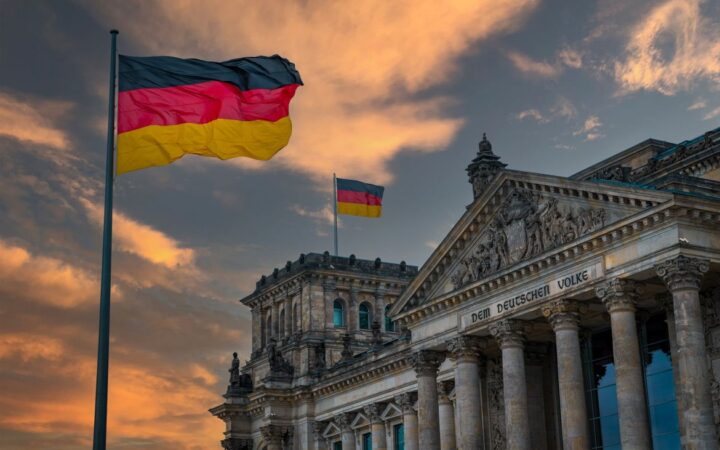
While the market for tokenized real-world assets (RWAs) has expanded past $36 billion, the underlying technical ecosystem remains deeply fragmented. Individual jurisdictions have established isolated, regulated frameworks that cannot natively interact with one another. Dubai has tokenized property title deeds, Switzerland maintains a regulated issuance and trading pathway built on ERC-3643, and Germany has passed legislation establishing a BaFin-supervised framework for on-chain securities. Because these live, regulated environments are mutually incompatible, every institution entering the sector is forced to construct its verification and compliance infrastructure from scratch.
To resolve this issue, regulated title tokenization firm Kula has introduced six new open-source token proposals assigned ERC-8325 through ERC-8330. Designed to bring composability to real-world assets in the same way ERC-20 unified fungible tokens, these proposed standards allow disparate platforms to verify and exchange asset data without custom integration work.
Extending Existing Standards Across Six Operational Pillars
The proposed ERC family is currently undergoing architecture review on Ethereum Magicians. Rather than replacing existing token and compliance standards like ERC-3643 and ERC-7943, Kula’s proposals act as independent, modular extensions that can be adopted individually or alongside existing setups.
Each proposed standard targets a distinct operational challenge currently unaddressed by existing Ethereum standards. ERC-8325 establishes a verifiable, registry-scoped link between a token and an anchor record representing an off-chain asset claim. ERC-8326 ensures that retrieved documents correspond directly to a canonical commitment recorded on-chain. Transfer compliance across specific legal jurisdictions is introduced through ERC-8327, addressing a capability previously missing from current ERC models.
For asset management over time, ERC-8328 creates a queryable on-chain log of compliance events across a token’s lifecycle, while ERC-8329 standardizes how impact data is recorded and verified. Finally, ERC-8330 defines a standardized interface for reporting asset valuations on-chain, replacing the custom solutions individual projects currently build from scratch.
Open Infrastructure and Legal Foundations
All six proposals have been released under the Creative Commons Zero public domain dedication, fulfilling the requirement for official Ethereum Improvement Proposal repository submissions. Kula is engaging with broader token, compliance, and infrastructure communities to position the suite as complementary tooling for the wider ecosystem.
As a specialist in title tokenization, Kula draws the theoretical foundation for these proposals from Where Authority Resides: A Completion-Based Taxonomy of Tokenisation (Turner, 2026). According to Kula Co-Founder Chris Turner, institutional adoption hinges not on underlying technological capability, but on whether counterparties across different jurisdictions can trust shared asset data without rebuilding verification stacks from the ground up.
Disclaimer: CoinScreamer is an independent media brand owned and operated by NuvexMedia LLC, publishing news, research, and market insights on digital assets and related technologies. NuvexMedia LLC invests in and collaborates with companies across the digital asset, blockchain, and technology sectors. These relationships do not influence CoinScreamer’s editorial coverage, and the publication maintains full editorial independence to provide accurate, timely, and objective information. © 2025 NuvexMedia LLC. All rights reserved. This content is for informational purposes only and should not be considered legal, tax, investment, financial, or other professional advice.