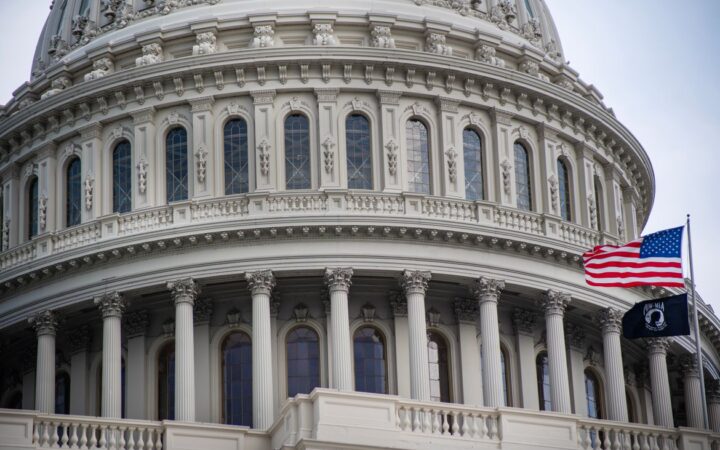
A major legislative effort to establish a comprehensive federal framework for digital assets ground to a halt after the US Senate failed to advance the Clarity Act. The key procedural vote fell short by a 49–50 margin, failing to reach the 60-vote threshold required to move the market-structure bill forward.
Political resistance drove the legislative impasse ahead of upcoming elections. Senate Democrats largely opposed the measure over ethical concerns regarding public officials’ cryptocurrency ventures and conflicts of interest surrounding President Donald Trump’s digital asset holdings. After Republicans rejected a Democratic counteroffer, legislative aides conceded the bill faces an uncertain future, leaving the immediate trajectory of US crypto regulation to federal administrative bodies.
SEC and CFTC Pledge Direct Administrative Rulemaking
In the immediate aftermath of the Congressional vote, leadership at both the Securities and Exchange Commission (SEC) and the Commodity Futures Trading Commission (CFTC) signalled an aggressive shift toward direct administrative rulemaking. Rather than waiting for new congressional mandates, both agencies plan to leverage their existing statutory authorities to establish market guidelines for digital asset firms and investors.
SEC Chairman Paul Atkins reaffirmed the commission’s commitment to independent enforcement and rulemaking, stating that the SEC will act decisively within its established authority to deliver market certainty regardless of legislative delays. CFTC Chair Mike Selig echoed this posture, confirming the derivatives regulator is prepared to deploy its regulatory toolkit to construct a functional framework for digital asset markets in alignment with executive branch goals.
Industry reactions and institutional analyses offer contrasting views on the regulatory pivot.
Coinbase CEO Brian Armstrong welcomed the proactive agency response, publicly celebrating the transition toward immediate executive rulemaking.
Analysts at Bernstein project that both agencies will execute a swift and assertive rulemaking strategy to plug the statutory vacuum left by Congress.
Wall Street analysts at JPMorgan cautioned that agency-level rules carry inherent structural weaknesses compared to federal legislation, noting that administrative actions remain vulnerable to legal challenges in court and subject to reversal under future presidential administrations.
As Congress turns its focus to the legislative calendar ahead of midterm elections, federal agencies are stepping in to define the next chapter of US digital asset oversight.
Disclaimer: CoinScreamer is an independent media brand owned and operated by NuvexMedia LLC, publishing news, research, and market insights on digital assets and related technologies. NuvexMedia LLC invests in and collaborates with companies across the digital asset, blockchain, and technology sectors. These relationships do not influence CoinScreamer’s editorial coverage, and the publication maintains full editorial independence to provide accurate, timely, and objective information. © 2025 NuvexMedia LLC. All rights reserved. This content is for informational purposes only and should not be considered legal, tax, investment, financial, or other professional advice.