Key Notes
- Scott Bessent said US authorities may seize about $1 billion in Iran-linked cryptocurrency this week, without naming the assets or wallets.
- The proposed action forms part of a broader isolation campaign, while earlier Treasury sanctions targeted digital-asset and shadow-banking networks.
- His latest statement does not confirm a completed seizure or establish whether the assets overlap with the $1 billion he said was seized in May.
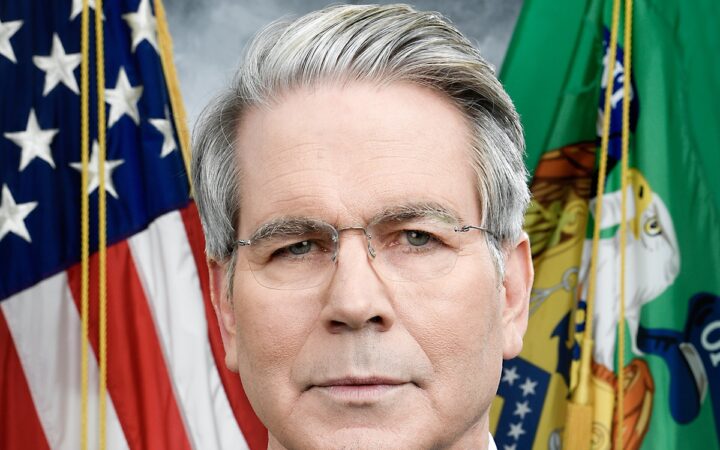
US Treasury Secretary Scott Bessent said Washington could seize about $1 billion in Iran-linked cryptocurrency this week, as the administration expands its effort to isolate the country’s ruling regime. His comments describe an expected enforcement action, rather than confirmation that the assets have already been confiscated.
Bessent made the remarks to Greta Van Susteren at Newsmax’s NPolicy Summit in Washington on October 8. In its October 9 report, Newsmax quoted him saying: “We’re probably gonna seize a billion dollars of crypto this week.”
The Treasury secretary said authorities know where the assets are. He did not identify the cryptocurrencies, wallet addresses or custodians involved, leaving the composition of the proposed seizure undisclosed.
Bessent Links Crypto Enforcement to Iran Isolation
Bessent described a shift from maximum pressure to an “absolute isolation” campaign encompassing naval blockades, restrictions on international flights and efforts to close overland routes. He said Washington was working with regional partners and predicted that maritime restrictions would eventually halt Iranian oil exports.
That was his assessment of the campaign’s intended effect. The interview did not establish that oil exports had already stopped, or disclose the legal process through which the crypto assets would be taken into US custody.
The distinction between military restraint and continued economic pressure also featured in CoinScreamer’s earlier coverage of President Donald Trump’s pledge not to attack Iran before the November midterm elections. Trump’s statement left the blockade in place.
Treasury Has Already Targeted Iran’s Crypto Infrastructure
The remarks follow a series of published Treasury actions against financial networks it accuses of supporting sanctions evasion. Those announcements provide a clearer record of earlier measures, although they do not identify the assets Bessent referred to in the Newsmax interview.
On September 17, the Office of Foreign Assets Control designated BitBank, an Iranian digital-asset venture Treasury said was controlled by sanctioned financier Babak Zanjani. The action also covered its software developer and three Zanjani associates.
Treasury alleged that Zanjani had used BitBank to facilitate transfers of hundreds of millions of dollars in Bitcoin to the Islamic Revolutionary Guard Corps between June and July. It placed the designations within Operation Economic Outcast, the broader campaign Bessent announced on August 24.
The department took a separate A7 action on October 1, targeting a shadow-banking network with Russian ties that it said Iran used to evade sanctions. OFAC sanctioned the network, while the Financial Crimes Enforcement Network proposed restrictions on fund transfers involving its sub-agents and issued an alert to financial institutions.
These measures show how the campaign reaches both digital-asset businesses and the intermediaries moving money around them. Neither announcement establishes that BitBank or A7 is the target of this week’s prospective $1 billion seizure.
An Earlier $1 Billion Claim Does Not Establish a New Total
In a May interview, Bessent also said the United States had seized about $1 billion in Iranian cryptocurrency.
The similar amounts should not automatically be added together. Without a disclosed asset list or an explanation of how the two statements relate, it remains unclear whether the latest figure represents entirely separate holdings, overlapping assets or a different stage of an earlier operation.
Freezing Assets and Seizing Them Are Different Steps
OFAC’s blocking guidance distinguishes sanctions freezes from seizures. Blocking prevents transfers and other dealings in covered property, but ownership remains with the blocked person. Restrictions apply to relevant property within the United States or under a US person’s possession or control.
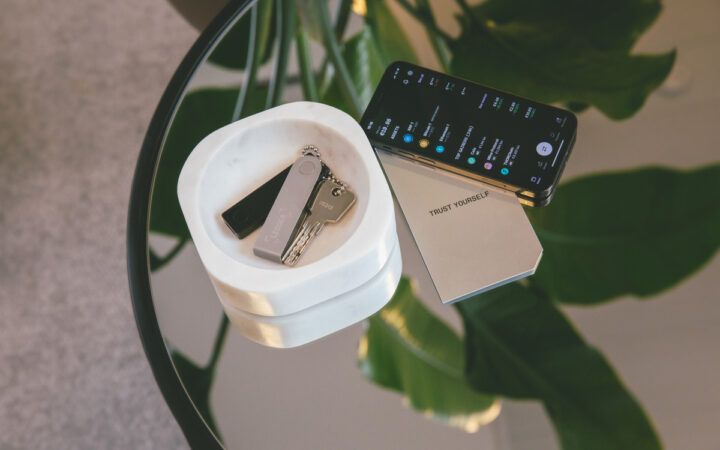
Its separate crypto guidance says a US person holding digital currency that must be blocked must deny access, retain appropriate controls and report the property. It does not require converting those tokens into dollars. A freeze therefore does not, by itself, establish a government sale.
A similar need to separate wallet activity from its legal purpose arose in CoinScreamer’s reporting on the government’s Bitfinex transfer. Moving coins to another address did not establish that they had been sold or returned to a claimant.
For the Iran-linked assets, Bessent’s statement signals a possible forthcoming action. Confirmation would require a subsequent disclosure identifying what was taken, when custody changed and which legal authority was used.
Disclaimer: CoinScreamer is an independent media brand owned and operated by NuvexMedia LLC, publishing news, research, and market insights on digital assets and related technologies. NuvexMedia LLC invests in and collaborates with companies across the digital asset, blockchain, and technology sectors. These relationships do not influence CoinScreamer’s editorial coverage, and the publication maintains full editorial independence to provide accurate, timely, and objective information. © 2025 NuvexMedia LLC. All rights reserved. This content is for informational purposes only and should not be considered legal, tax, investment, financial, or other professional advice.