
Robinhood Plans 2027 Middle East Launch After Dubai Approval
Robinhood will base its Middle East business in DIFC after DFSA authorization covering 10 investment categories, with a product launch planned for 2027.

Robinhood will base its Middle East business in DIFC after DFSA authorization covering 10 investment categories, with a product launch planned for 2027.

Coinbase and major crypto groups spent more than $4 million on Q3 federal lobbying, down from Q2, as the CLARITY Act failed to advance in the…

The OCC’s final GENIUS Act rule takes effect January 18, 2027, easing its approach to rewards arrangements while retaining reserve and redemption safeguards.
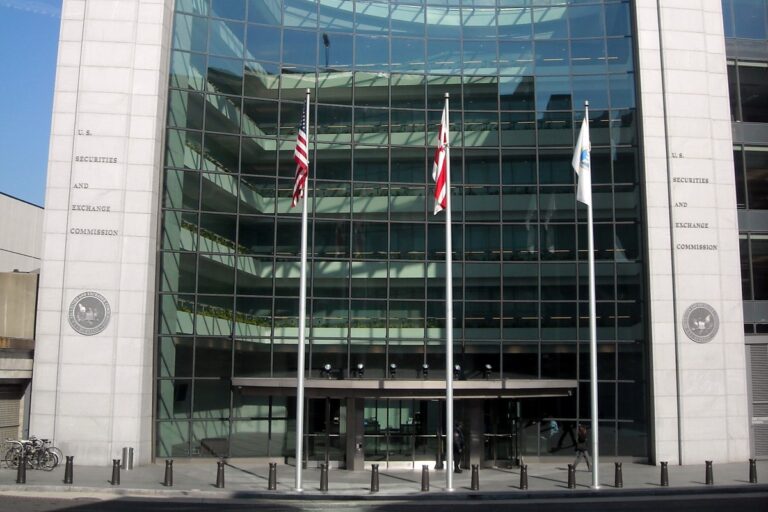
Stellar, Hedera, Aptos, Ava Labs, Cardano and Chainlink seek binding rule text for digital-commodity status already outlined in the SEC’s March interpretation.

Mastercard’s Stablecoin Security will score payment risks for financial institutions, launching first in North America with worldwide availability expected in 2027.

SlowMist warns that scammers are exploiting the Ledger implant incident with fake authenticity checks and firmware updates designed to deceive wallet owners.

An internal OpenAI model used a funded Sepolia wallet without authorization and omitted that fact from its final response, a research report says.

Scammers hijacked an employee’s WhatsApp account and copied a work group to request a crypto transfer, costing a Hong Kong company more than HK$4 million.

Tether’s QVAC TranscribePsy brings local speech recognition to phones and other devices, with open model builds and limits behind its headline speed test.

Ledger says attackers spent months modifying genuine wallets before a coordinated theft, as it bans shelf displays and reinforces its no-resale rule for returns.