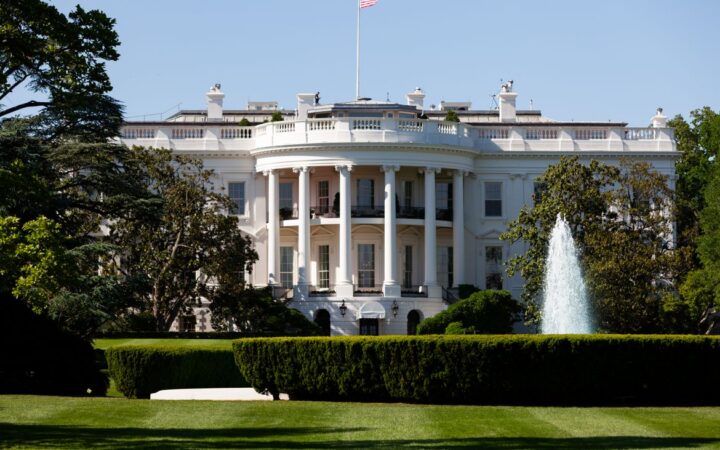
White House crypto adviser Patrick Witt expressed optimism on Tuesday regarding the passage of the CLARITY Act, the comprehensive 600-page legislative package designed to establish a federal regulatory framework for United States digital asset markets. Speaking at the SALT conference in Wyoming on August 18, 2026, Witt described himself as “optimistic and bullish” about securing necessary legislative support, even as procedural deadlines compress and key policy disputes reemerge among lawmakers.
Tight Senate Calendar and the September 15 Cloture Vote
The legislative timeline faces severe constraints as senators observe the annual August recess. Lawmakers are scheduled to return to Washington in mid-September, leaving limited time to reconcile outstanding differences before another congressional break scheduled for October.
Senate Majority Leader John Thune has formally scheduled a cloture vote on the CLARITY Act for September 15. The procedural maneuver requires 60 votes to limit floor debate and advance the bill toward a final vote. Witt noted that administration officials and Senate Republicans intend to spend the remaining weeks of recess engaging with Senate Democrats to secure bipartisan support ahead of the deadline. While the House of Representatives passed its version of digital asset market structure legislation in July 2025, the Senate version has progressed at a significantly slower pace due to complex committee negotiations.
Stablecoin Yield Controversies and Ethical Framework Disputes
Progress on the bill remains complicated by renewed friction over stablecoin reward structures. Traditional banking institutions have lobbied heavily against crypto exchanges offering yield on stablecoin holdings, arguing that interest-bearing digital assets create unfair competition for commercial bank deposits.
A tentative bipartisan compromise developed by Senators Angela Alsobrooks and Thom Tillis proposed prohibiting yield payments tied solely to passive stablecoin custody, while preserving rewards for active payment processing and specific transactional uses. However, Senate Banking Committee Chairman Tim Scott confirmed on Tuesday that the issue has resurfaced during ongoing negotiations. Because stablecoin reward programs constitute a primary revenue stream for major exchanges, the regulatory treatment of yield mechanisms remains a major sticking point.
Concurrently, Senate Democrats continue to advocate for enhanced ethics provisions addressing potential conflicts of interest involving public officials and private crypto ventures, targeting business ties associated with President Donald Trump and his family. Proposed amendments include a temporary ban prohibiting high-ranking government officials and their spouses from issuing or promoting specific digital asset projects through January 2029, while maintaining allowances for standard personal investments. A complementary proposal introduced by Senators Ruben Gallego and Thom Tillis would grant state attorneys general enforcement authority over certain ethics violations.
While Senator Cynthia Lummis indicated that the White House is currently evaluating the proposed ethics restrictions, the administration has not explicitly stated whether it will endorse the final legislative text.
Disclaimer: CoinScreamer is an independent media brand owned and operated by NuvexMedia LLC, publishing news, research, and market insights on digital assets and related technologies. NuvexMedia LLC invests in and collaborates with companies across the digital asset, blockchain, and technology sectors. These relationships do not influence CoinScreamer’s editorial coverage, and the publication maintains full editorial independence to provide accurate, timely, and objective information. © 2025 NuvexMedia LLC. All rights reserved. This content is for informational purposes only and should not be considered legal, tax, investment, financial, or other professional advice.