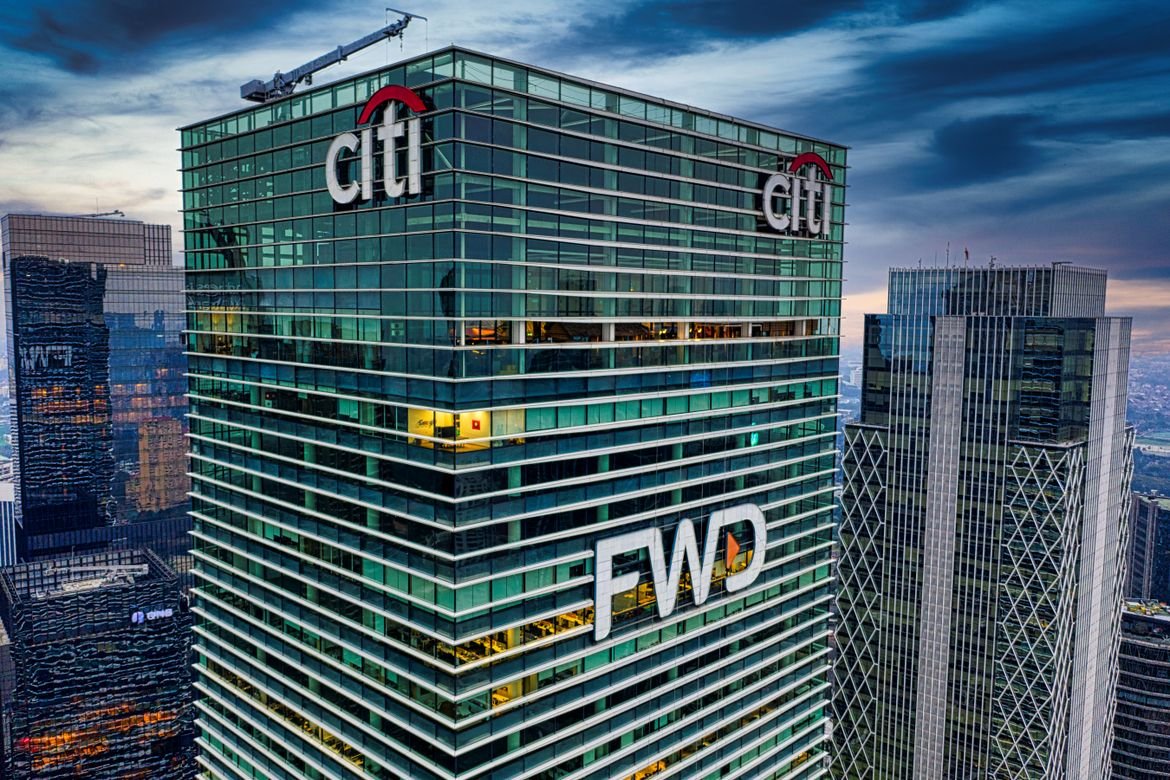
Wall Street Deepens Tokenization Push: Citi Unveils Blockchain Marketplace for Private Equity
Built on SIX Digital Exchange infrastructure, Citi’s new network provides institutional investors with transparent, direct legal ownership of high-growth private equities.
By Daniel Brooks | Edited by Julia Sakovich
Published:
, Updated:
3 mins readCitigroup bridges public and private markets with a blockchain platform for trading private company shares via tokenized depositary receipts. Photo: Pexels
Citigroup is launching a blockchain-based marketplace designed for trading shares of private, pre-IPO companies. The initiative targets institutional allocators and high-net-worth individuals, providing a fully compliant channel to access private market valuations using distributed ledger technology (DLT).
The institutional infrastructure relies on a novel financial primitive: tokenized depositary receipts issued directly by Citi. These digital instruments represent direct, fractionalized legal ownership interests in the underlying private companies, allowing high-net-worth clients to manage these positions alongside traditional public equities.
The service is launching initially for international investors, with plans to introduce a regulatory-compliant framework for US-based institutional access at a later stage.
Displacing Opaque Structures with Legal Transparency
Private placement markets have historically relied heavily on Special Purpose Vehicles (SPVs) to pool capital for pre-IPO rounds. While functional, SPVs frequently suffer from complex administrative layering, hidden carry fees, and prolonged settlement friction.
By utilizing tokenized depositary receipts, Citi aims to deliver a direct, transparent alternative.
“The platform allows clients to invest in private company shares right next to their Apple stock,” explained Artem Korenyuk, a digital asset executive at Citi, in a statement to The Wall Street Journal.
This structural clarity addresses a growing pain point in the fintech sector. Several retail-facing platforms have previously experimented with offering synthetic or indirect economic exposure to highly sought-after private firms like OpenAI. However, these synthetic derivatives often lack native backing—prompting firms like OpenAI to issue explicit notices warning market participants that such tokenized stocks do not carry actual equity, voting rights, or legal registry claims in the company.
Citi’s model enforces full legal synchronization between the on-chain digital receipt and the physical stock registry.
Capture Value Early: The Permanent Shift Toward Private Markets
Citi’s aggressive move into private market tokenization aligns with long-term structural shifts in how corporate value is generated. High-growth enterprises are choosing to remain private significantly longer before seeking public listings, which means a substantial portion of an enterprise’s exponential growth phase occurs entirely outside the view of public equity markets.
Data published by the American Investment Council, drawing on extensive historical tracking by PitchBook, shows that private equity has consistently outperformed the benchmark S&P 500 Index over long-term Horizons.
“The data on long-term outperformance highlights why expanding access to these markets is so critical,” stated Will Dunham, President and CEO of the American Investment Council. “Securing these types of returns is exactly why there is a growing push to safely integrate private equity options into broader retirement architectures and 401(k) plans.”
The intense institutional appetite for late-stage private equity is clearly visible in the market response to premium private offerings. The record-shattering demand surrounding the SpaceX initial public offering highlights this trend, with global allocators submitting over $70 billion in pre-orders ahead of its public debut. As foundational tech giants continue to scale rapidly before going public, platforms capable of transforming illiquid private books into accessible, on-chain assets are becoming a core competitive focus for global banking institutions.
Daniel Brooks reports on blockchain infrastructure, protocol upgrades, and the technical architecture behind major crypto networks. His coverage focuses on scalability solutions, consensus mechanisms, and developer ecosystems shaping next-generation blockchain platforms. He frequently analyzes how technological innovation affects network security, transaction efficiency, and adoption across decentralized applications. Based in Berlin, Daniel closely follows developer communities and open-source blockchain research.
Ondo Finance has launched the Ondo Network, an off-chain execution environment designed to deliver near-centralized exchange speeds and institutional privacy, replacing its previously announced layer-1 blockchain project.