
Kalshi Seeks Fresh Capital at $40B Valuation to Scale Regulated Prediction Monopoly
Fresh off a $1 billion Series F round in May, Kalshi is already aiming to nearly double its valuation to $40 billion by Q3 2026.
The Topics section organizes coverage by subject, giving readers a clearer way to navigate the main themes shaping the cryptocurrency and blockchain industry. It groups reporting, analysis, and short-form updates into recurring editorial areas such as regulation, markets, technology, startups, security, and digital asset adoption. This page functions as a structural layer across the site, helping users follow developments within specific segments rather than only through chronology. It supports faster access to related coverage and makes it easier to track how major themes evolve across news cycles, policy changes, market movements, and product activity.
Fresh off a $1 billion Series F round in May, Kalshi is already aiming to nearly double its valuation to $40 billion by Q3 2026.

Aiming to capture a slice of the skyrocketing $130 billion prediction market industry, Meta is experimenting with a dedicated, gamified forecasting app.
Blending traditional brokerage infrastructure with the booming event-contract sector, Charles Schwab’s upcoming rollout signals institutional validation for short-term macroeconomic wagering.
Driven by massive capital inflows from the ongoing FIFA World Cup, Robinhood’s new prediction market segment is positioned to become the firm’s largest incremental driver of transaction revenue growth.
Banking giant Standard Chartered has issued an aggressive structural growth forecast for decentralized exchange leader Uniswap, framing it as a vital infrastructure layer for institutional TradFi integration.

Built on SIX Digital Exchange infrastructure, Citi’s new network provides institutional investors with transparent, direct legal ownership of high-growth private equities.
While crypto markets navigate macroeconomic headwinds and regulatory shifts, tokenized traditional assets are transforming the space into a diversified, multi-billion-dollar yield ecosystem.
Bybit expands into tokenized real-world assets (RWAs), bypassing traditional brokerage gates to list Elon Musk’s aerospace giant.

By reclassifying digital assets from payment tools to formal financial products, Tokyo aligns its crypto sector with standard equity markets.

Japan’s financial sector is preparing for a massive retail crypto wave. Major brokerages are developing in-house investment trusts to bypass traditional wallet hurdles and bring digital assets directly to legacy securities accounts.
XRP ETFs have surged to $1.53 billion in assets, with Goldman Sachs holding the largest institutional stake, signaling growing but still early-stage institutional adoption.
BlackRock’s Bitcoin ETF leads a surge in inflows, marking its strongest day since March and signaling renewed institutional demand.

While crypto markets navigate macroeconomic headwinds and regulatory shifts, tokenized traditional assets are transforming the space into a diversified, multi-billion-dollar yield ecosystem.

Morgan Stanley has revealed the MSBT ticker and a $1 million seed investment for its proposed spot Bitcoin ETF, signaling deeper Wall Street entry into crypto.
Evernorth moves closer to a Nasdaq listing after filing a Form S-4, as the firm builds a large XRP treasury amid improving US regulatory clarity.
Hong Kong regulators are reportedly preparing to issue the city’s first stablecoin licenses, with HSBC and a Standard Chartered-led venture expected among the initial approved issuers.
Nasdaq has received SEC approval to pilot tokenized trading of stocks and ETFs, marking a controlled step toward blockchain integration in traditional markets.
An Australian Senate committee has recommended passing a bill that would require crypto exchanges and tokenization platforms to obtain financial services licenses.
Tokenized real-world assets have grown to $23.6 billion in 2026, led by funds, commodities, and equities as investors seek blockchain-based markets with continuous trading access.
Former CFTC Chair Christopher Giancarlo says US banks need the Digital Asset Market Clarity Act more than crypto firms to confidently invest in blockchain-based financial infrastructure.
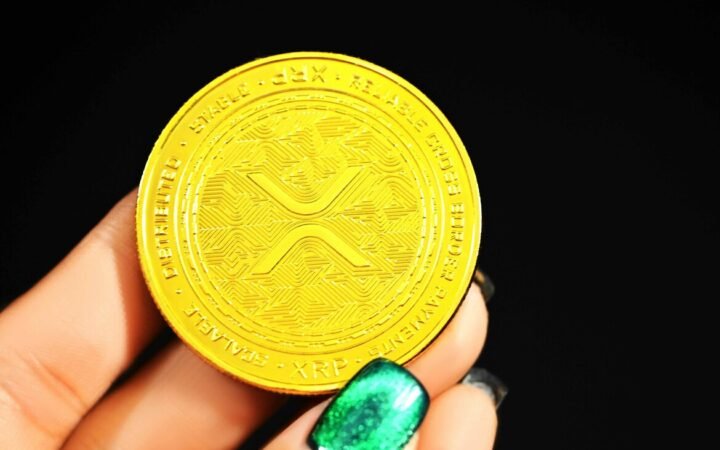
Evernorth moves closer to a Nasdaq listing after filing a Form S-4, as the firm builds a large XRP treasury amid improving US regulatory clarity.
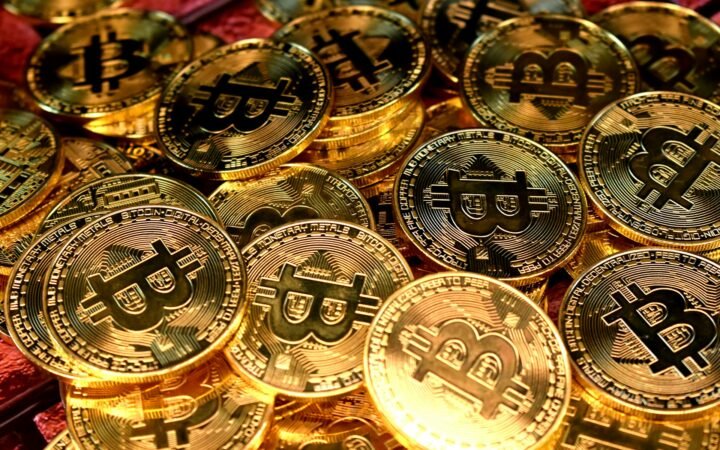
US spot Bitcoin ETFs recorded their longest inflow streak since October 2025, though total capital entering the funds remains far below last year’s peak levels.
Ripple is reportedly planning a $750 million share buyback through April, valuing the company at about $50 billion. The move reflects continued institutional activity around the firm despite volatility in XRP markets.
BitMEX co-founder Arthur Hayes said he would not invest in Bitcoin at current levels, arguing he will wait for US monetary easing before re-entering the market.

Citigroup lowered its 12-month price targets for Bitcoin and Ether, citing weaker network activity and delays in US crypto legislation despite continued ETF inflows.

The SEC has dismissed its case against Justin Sun and several Tron-related entities. BitTorrent developer Rainberry agreed to pay a $10 million civil penalty as part of the settlement.
Nasdaq has sought SEC approval to list fixed-payout binary options tied to the Nasdaq 100, signaling traditional exchanges’ push into prediction-style markets.
A Solana-focused treasury company saw its shares surge after launching a structure that enables borrowing against staked SOL while preserving yield and custody.

World Liberty Financial token holders approved a proposal requiring a 180-day staking lock-up to maintain governance voting rights, aiming to strengthen long-term participation in the protocol’s decision-making process.

The SEC and CFTC signed a memorandum of understanding to coordinate oversight of crypto and other financial markets. The move aims to reduce regulatory overlap and provide clearer guidance for emerging technologies.
US prosecutors are seeking an October 2026 retrial for Tornado Cash co-founder Roman Storm on unresolved money laundering and sanctions charges after a hung jury in his initial trial.
Nasdaq has partnered with crypto exchange Kraken to develop infrastructure for tokenized equities, aiming to connect traditional capital markets with blockchain-based trading systems.

Hong Kong regulators are reportedly preparing to issue the city’s first stablecoin licenses, with HSBC and a Standard Chartered-led venture expected among the initial approved issuers.

X has revised its paid partnership policy to permit crypto-related promotional content, with restrictions in select jurisdictions and stricter disclosure requirements.
Gemini’s decision to withdraw from the UK, EU, and Australia has intensified industry concerns that slow, overlapping regulation is undermining Britain’s crypto hub strategy.
Canada’s investment regulator has introduced stricter, tiered custody standards for crypto assets, aiming to reduce losses from fraud, hacks, and weak governance.

Ripple has expanded its payments platform into an end-to-end stablecoin and fiat infrastructure stack, surpassing $100 billion in processed volume across 60 markets.
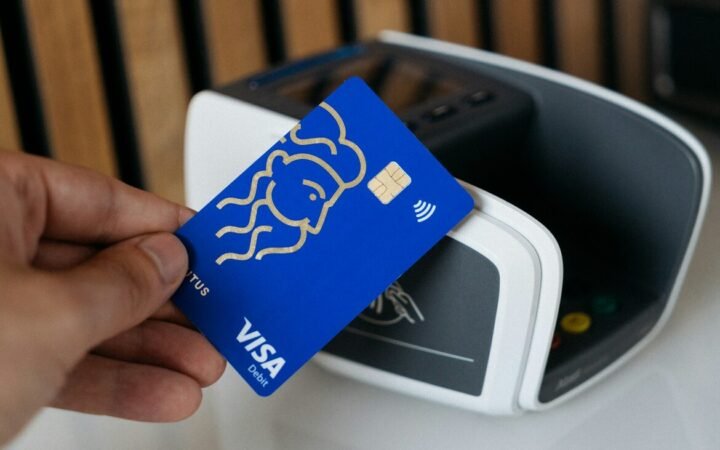
Visa and Stripe-owned Bridge plan to expand stablecoin-linked card programs to more than 100 countries while piloting onchain settlement with Lead Bank.
The UK Financial Conduct Authority has selected four firms, including Revolut, to test stablecoin issuance and payments in a regulatory sandbox starting in Q1 2026. The initiative aims to shape the country’s final stablecoin framework.
Payoneer has applied for a US national trust bank charter as fintech and crypto firms increasingly seek regulated pathways to offer stablecoin and custody services.

Worldcoin advanced sharply after reports that OpenAI is exploring a biometric-based social network aimed at limiting automated accounts, renewing investor interest in the token’s ecosystem.

Ethereum is set to activate ERC-8004 on mainnet, introducing a standardized framework that allows AI agents to operate as economic actors across decentralized networks.
Japan plans to transition crypto regulation from the Payment Services Act to the securities-focused Financial Instruments and Exchange Act.