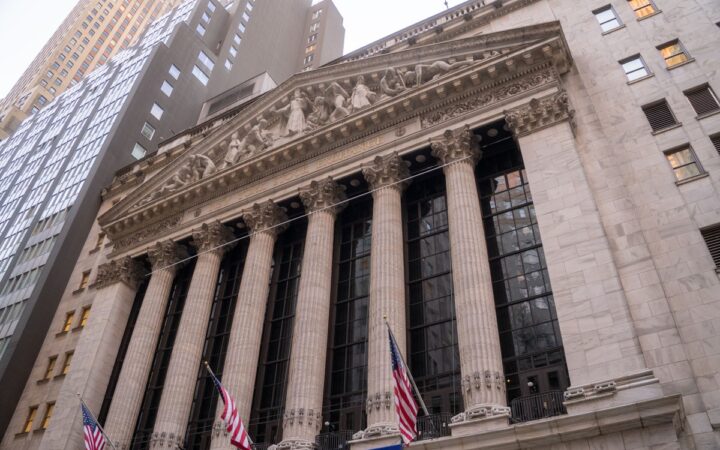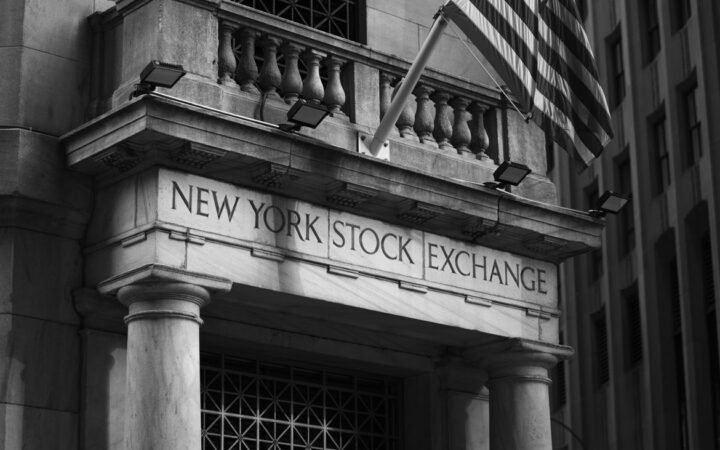
The convergence of traditional equity markets and public blockchain infrastructure achieved a structural milestone. Real-World Asset (RWA) tokenization pioneer Securitize made its public trading debut on the New York Stock Exchange (NYSE) under the ticker SECZ. The institutional platform went public via a business combination with a special-purpose acquisition company (SPAC) backed by Cantor Fitzgerald, raising $400 million at a valuation exceeding $1 billion.
In a first for modern financial markets, Securitize simultaneously launched issuer-sponsored tokenized versions of its own common stock directly onto the Solana and Avalanche blockchains. The on-chain securities are immediately available to eligible US investors who complete regulatory onboarding on the Securitize platform.
Fully Regulated Ownership vs. Synthetic Wrappers
The core innovation behind the SECZ token launch lies in its regulatory architecture. Unlike offshore synthetic tokens or unauthorized crypto wrappers that merely track price action, SECZ represents direct, legitimate ownership of the underlying common stock trading on the NYSE floor.
The structural blueprint bypasses the need for complex offshore corporate entities by relying entirely on regulated transfer agent rails and strict on-chain identity logic.
“SECZ is not a synthetic token or offshore wrapper,” noted Carlos Domingo, co-founder and CEO of Securitize. “It is issuer-sponsored tokenization of the same common stock trading on the NYSE, made available through regulated infrastructure. This is how tokenization should scale: with real ownership, regulatory clarity, and the issuer at the center.”
The dual-blockchain deployment strategy leverages the unique performance profiles of two distinct layer-1 networks, Solana and Avalanche.
Bridging the SEC Regulatory Divide
The historic listing unfolds amid a fluid regulatory climate in Washington. While the US Securities and Exchange Commission (SEC) affirmed in January that issuer-sponsored digital securities must rigidly adhere to existing federal laws, execution nuances persist.
In mid-May, reports surfaced indicating the SEC was on the verge of granting an official trading exemption tailored for tokenized equities. However, the agency postponed the plan later that month after legacy stock exchange officials voiced logistical and systemic integration concerns regarding real-time settlement and transfer mechanics.
Securitize’s successful launch bypasses these exchange-level bottlenecks by conducting primary issuance and peer-to-peer settlement within its own registered, compliant ecosystem. The move capitalizes on a strategic partnership forged with the NYSE in March to co-develop the exchange’s upcoming tokenized securities framework.
$43B Real-World Asset Boom
Institutional appetite for on-chain finance continues to expand rapidly as asset managers seek 24/7 global settlement, automated compliance logic, and fractionalized liquidity. According to analytical data from Token Terminal, the broader RWA sector has already climbed past $43 billion in total value locked.
While tokenized cash equivalents dominate the current landscape, the public equity segment is positioned for aggressive acceleration. In a market forecast updated last month, Citigroup analysts projected that the global tokenized asset market could surge to between $5.5 trillion and $8.2 trillion by 2030.
Wall Street responded warmly to the milestone. Shares of SECZ climbed to an intraday high of $13.70 on July 2 before settling at $12.30, locking in a 4.4% gain on day one. The upward trajectory continued into post-market hours, with the equity ticking up an additional 2.4% to reach $12.60.
Disclaimer: CoinScreamer is an independent media brand owned and operated by NuvexMedia LLC, publishing news, research, and market insights on digital assets and related technologies. NuvexMedia LLC invests in and collaborates with companies across the digital asset, blockchain, and technology sectors. These relationships do not influence CoinScreamer’s editorial coverage, and the publication maintains full editorial independence to provide accurate, timely, and objective information. © 2025 NuvexMedia LLC. All rights reserved. This content is for informational purposes only and should not be considered legal, tax, investment, financial, or other professional advice.