OKX Names Standard Chartered and Circle as Equity Investors
Star Xu named Standard Chartered, Circle and Ripple as equity investors in OKX, following ICE’s March deal valuing the exchange at $25 billion.

OKX is a privately held cryptocurrency exchange and web3 technology company focused on global crypto trading combined with a major self-custody wallet and Web3 application platform.
OKX, legally identified as OKX group, operates in the market for global crypto trading combined with a major self-custody wallet and Web3 application platform. Its legal or principal corporate identity is OKX group, and its stated operating base is San José, California, United States, with global regulated entities. The organization participates in markets where financial infrastructure, software reliability, regulatory permissions, and customer trust can be as important as product design. Its activities connect it with consumers, businesses, developers, institutions, or network participants according to the services available in each jurisdiction. The company remains active, although the scope and legal entity serving a customer can differ across countries.
Star Xu founded the business in 2017. OKX evolved from OKEx and expanded its identity beyond exchange trading into wallets, onchain aggregation, and blockchain infrastructure. That history matters because the market around the company has changed through several technology, funding, and regulatory cycles. Products that were initially designed for a narrower group have often had to support more assets, countries, customers, security controls, and institutional workflows. The organization’s present structure therefore reflects both its founding proposition and the operational demands created by subsequent growth.
Star Xu leads the organization’s current management structure. Privately held. Its financing position is described as follows: Privately funded; consolidated funding details are not publicly disclosed. Not publicly disclosed. The equity or listing position is Not publicly traded; OKB is a crypto asset, not company equity. These distinctions are important because tokens, stablecoins, customer balances, or network assets associated with a business are not necessarily shares in the operating company and do not provide the rights attached to corporate equity.
Commercial and user-facing activities span spot and derivatives trading, options, institutional execution, earn products, wallets, decentralized exchange aggregation, Web3 access, and blockchain infrastructure. Important brands and product identities include OKX, OKX Wallet, OKX Ventures, X Layer. Customers may encounter different pricing, eligibility, custody, disclosures, and support arrangements across these services. In regulated financial products, the legal provider and customer agreement can be as significant as the consumer-facing brand. Products connected to open blockchain networks can also depend on independent validators, token holders, developers, liquidity providers, or governance participants that the company does not control.
The operating stack combines exchange matching and risk engines, APIs, wallet software, onchain routing, custody, proof-of-reserves systems, and X Layer. Reliability, access control, monitoring, data quality, transaction integrity, and recovery processes are central requirements. Where blockchain networks are involved, the company must also account for confirmations, reorganizations, smart-contract behavior, network fees, forks, and congestion. Where banking or payment systems are involved, settlement timing, chargebacks, fraud controls, liquidity, and partner availability become additional operating constraints.
The business model draws income from trading fees, derivatives, spreads, withdrawal charges, institutional services, wallet partnerships, and platform products. The relative contribution of each stream can change with transaction volume, asset prices, interest rates, customer balances, product mix, and enterprise contract timing. A workforce of 1,001–5,000 employees supports the organization according to the most useful currently available range or dated disclosure. Private-company financial information is generally less complete than public-company reporting, while public-company results can still move substantially between reporting periods.
OKX competes with Binance, Bybit, Coinbase, Kraken, Bitget, Gate.io, decentralized exchanges, and wallet providers. Competitive position depends on a combination of price, liquidity or capacity, product breadth, regulatory standing, security, geographic reach, customer support, distribution, and ease of integration. Established brands can benefit from scale and accumulated data, but specialized competitors may win customers through lower costs, a narrower technical focus, open-source development, or faster entry into new markets. Switching costs vary: enterprise integrations can be difficult to replace, while consumers may maintain accounts or wallets with several providers at the same time.
Risk factors specific to the business include regulatory restrictions, derivatives leverage, custody and cybersecurity, onchain smart-contract exposure, liquidity, and market cycles. Financial and blockchain markets can transmit problems quickly because prices, collateral, liquidity, and customer behavior change continuously. A technical failure or compliance weakness may create direct losses as well as enforcement, litigation, remediation costs, and reputational damage. The significance of each risk differs by product and jurisdiction, so a service’s current terms and legal availability require separate review.
Regulation affects OKX through rules that may cover licensing, payments, banking, securities, commodities, lending, consumer protection, privacy, sanctions, anti-money-laundering controls, custody, and market conduct. The exact combination depends on the company’s products and the countries in which they are offered. Technology companies that do not directly hold customer assets may face a different framework from exchanges, banks, brokers, custodians, or lenders, but they still depend on customers that operate under those rules. Changes in enforcement or legislation can therefore alter demand even when they do not apply directly to every part of the business.
The company’s strategic direction is to grow regulated exchange operations and connect them with wallet, decentralized trading, institutional, and X Layer products. Success will depend on execution by Star Xu, disciplined use of capital, reliable technology, and the ability to retain customers and partners. It will also depend on broader adoption in the relevant financial and blockchain markets. The company’s products, leadership, workforce, ownership, and regulatory position can change, making dated disclosures and official channels the appropriate basis for future updates.
global crypto trading combined with a major self-custody wallet and Web3 application platform
exchange matching and risk engines, APIs, wallet software, onchain routing, custody, proof-of-reserves systems, and X Layer
trading fees, derivatives, spreads, withdrawal charges, institutional services, wallet partnerships, and platform products
Star Xu named Standard Chartered, Circle and Ripple as equity investors in OKX, following ICE’s March deal valuing the exchange at $25 billion.
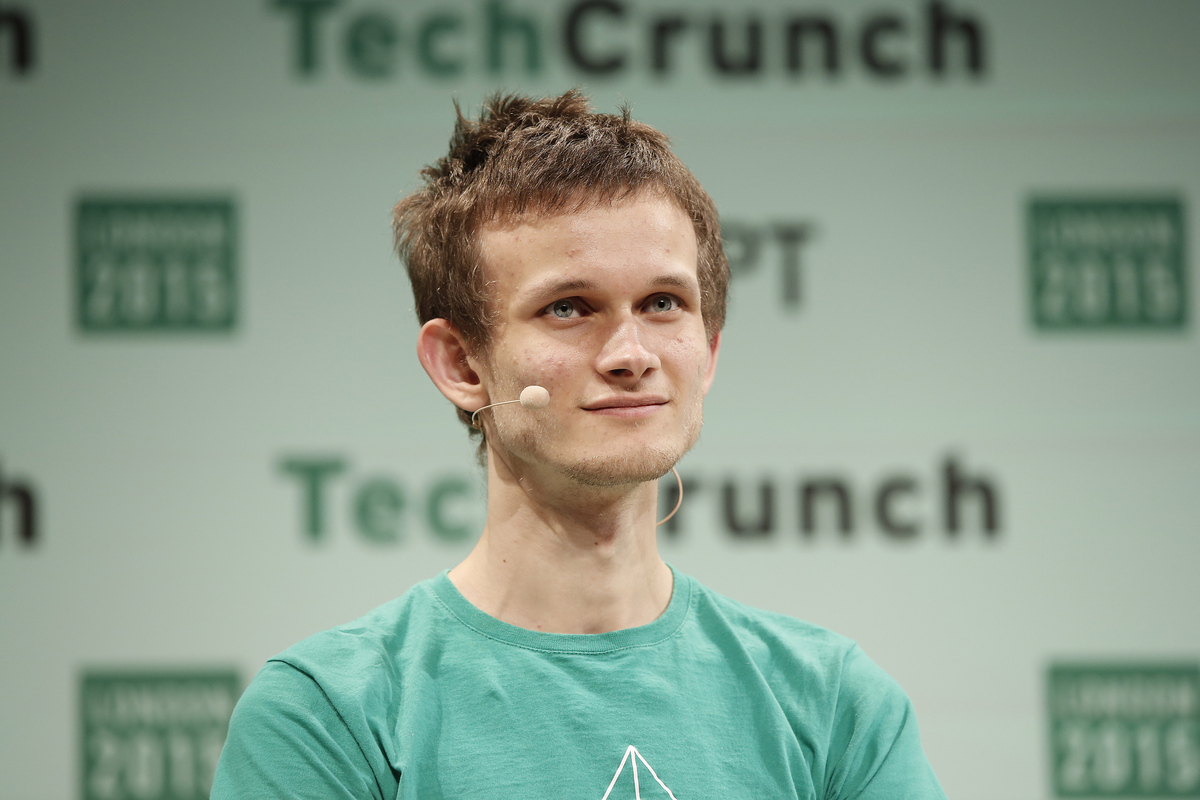
Vitalik Buterin expects lower Ethereum costs and stronger privacy within two years, with AI agents reshaping applications and raising security demands.
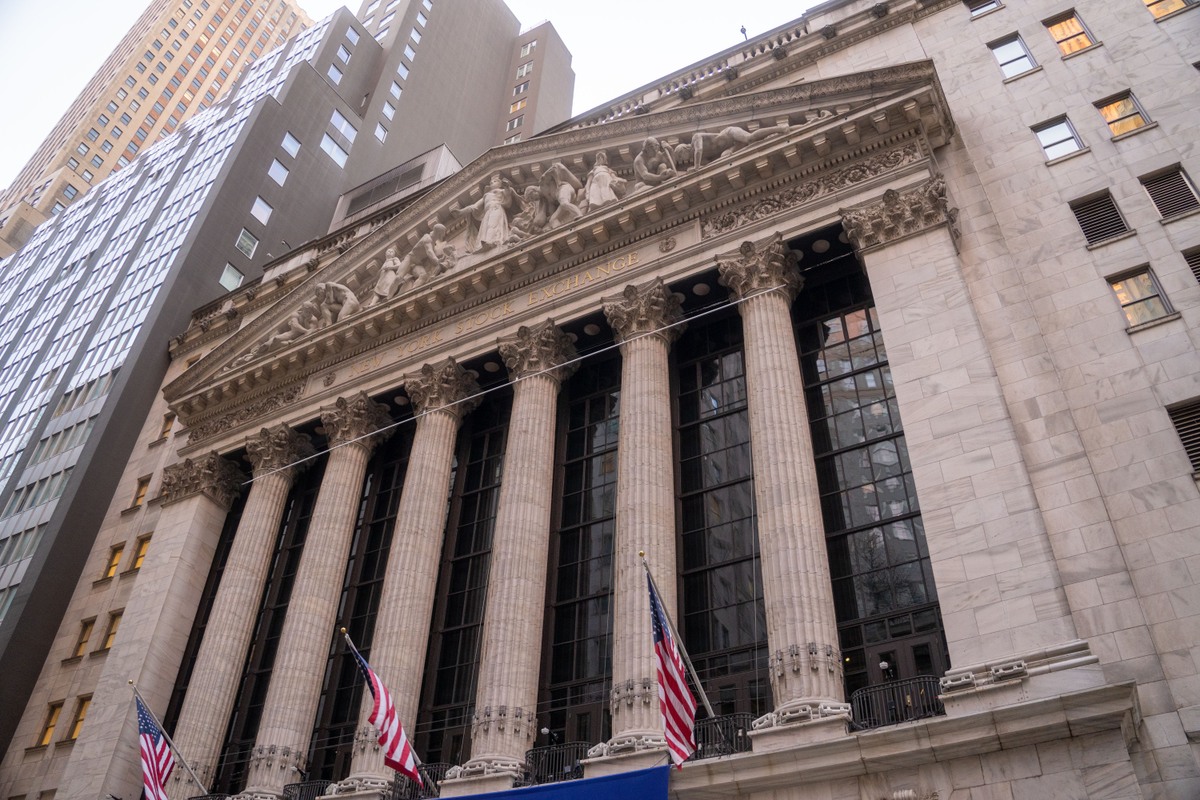
OKXICE plans round-the-clock trading in more than 60 US stocks on X Layer, using the SEC’s conditional exemption for tokenized securities venues.
As European exchanges delist Tether's USDT to comply with the EU’s MiCA framework, global demand for the world's largest stablecoin remains robust, driven by deep liquidity and growing utility in emerging markets.
OKX has announced the phased delisting of six spot trading pairs involving GODS, PRCL, and DUCK, alongside an immediate suspension of deposits.
Binance has been forced to suspend all trading operations for its 2 million French users due to licensing delays, triggering a massive scramble among fully compliant rivals.
OKX has launched a decentralized marketplace designed exclusively for autonomous AI agents to independent hire each other, settle payments, and track transaction trust.

Facing crippling compliance costs, intense red tape, and a strict July 1 cutoff, top-tier Web3 founders are abandoning the European Economic Area in favor of Dubai's crypto-tailored jurisdiction.
As the MiCA transitional window closes on July 1, thousands of legacy virtual asset providers face immediate shutdown or forced wind-downs, clearing the way for a highly consolidated, institutionalized market.
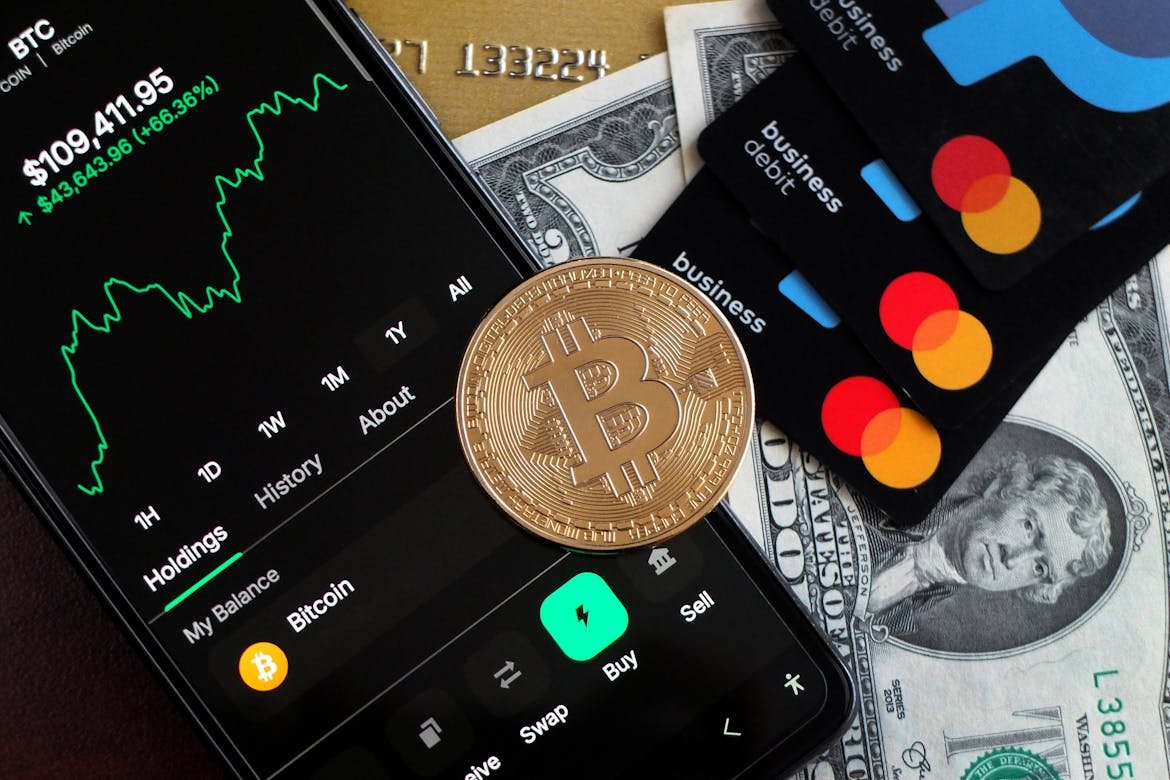
The rapid proliferation of stablecoin-backed payment cards is transforming digital assets from speculative investments into functional payment tools without displacing payment networks.