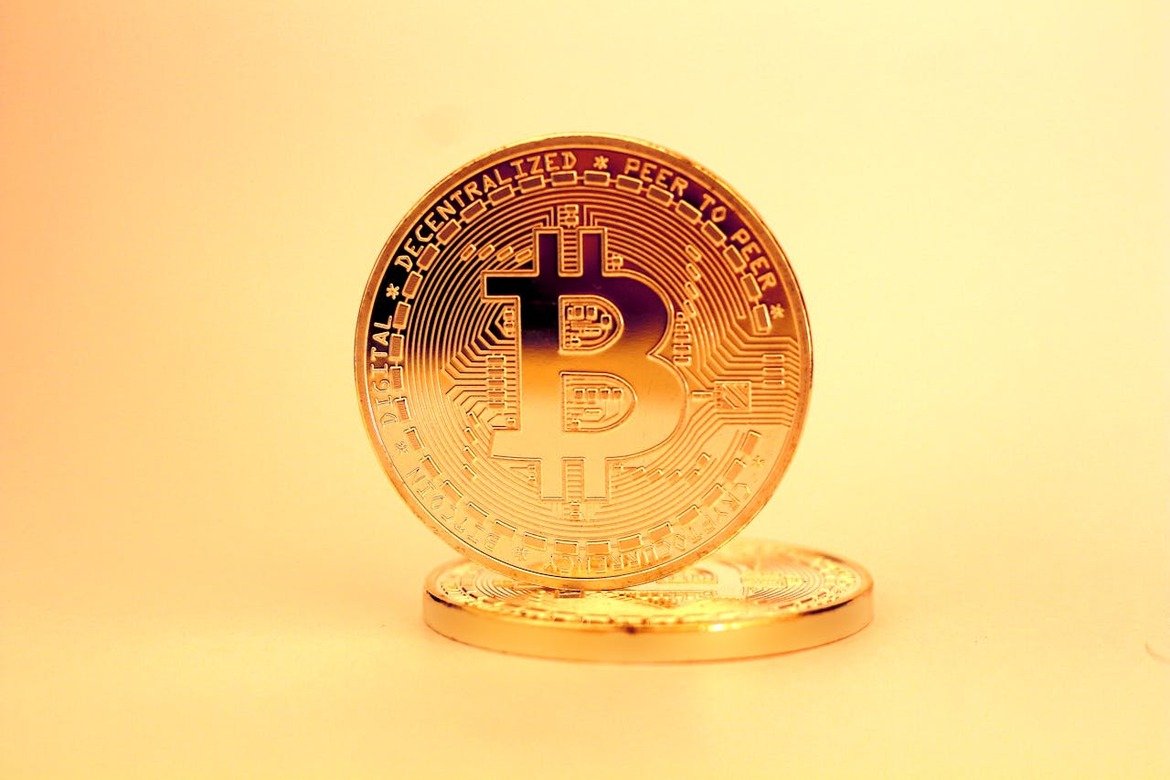

RAKBANK is preparing to enter the United Arab Emirates’ growing stablecoin market after receiving in-principle approval from the Central Bank of the UAE (CBUAE) to issue a dirham-backed payment token. The approval allows the bank to proceed toward launch once it meets final regulatory, technical, and operational requirements set by the central bank.
The lender said the planned stablecoin will be fully backed one-to-one by UAE dirhams held in segregated, regulated accounts. It will also rely on audited smart contracts and real-time reserve attestations, aligning with the CBUAE’s framework for payment tokens designed to function within the existing financial system rather than outside it.
For RAKBank, the move extends its broader digital assets strategy, which already includes enabling retail crypto trading through a regulated brokerage partner in 2025. Chief Executive Raheel Ahmed said the approval reflects the bank’s focus on innovation that remains compliant and trust-based, positioning tokenized payments as an extension of regulated banking rather than a replacement.
Multi-Regulator Approach to Digital Assets
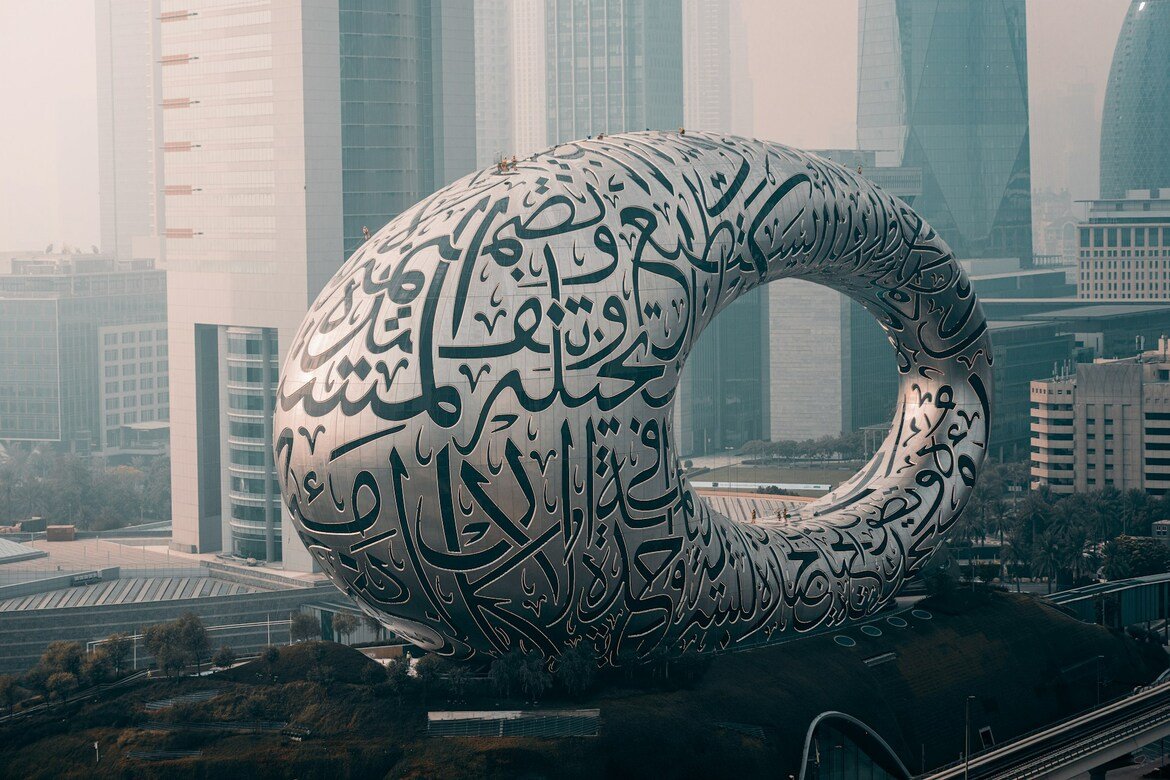
The UAE has emerged as one of the most active jurisdictions globally in building a structured digital asset regime. Oversight is shared among the central bank, Abu Dhabi Global Market, Dubai’s Virtual Assets Regulatory Authority, and other federal and free-zone regulators, each covering specific aspects of virtual assets and tokenized finance.
Dirham-referenced stablecoins sit at the center of this framework, with policymakers viewing them as tools to modernize domestic payments and improve efficiency in cross-border transfers. The UAE’s large expatriate population and high remittance volumes make faster, lower-cost settlement an institutional priority rather than a purely crypto-native use case.
RAKBank’s approval follows similar initiatives from both local and international players. Telecom group e& has been piloting a regulated dirham stablecoin for bill payments, while Circle and Ripple have secured approvals in Abu Dhabi for USDC and Ripple USD, respectively, targeting institutional and regional applications.
Adoption Questions Remain
Despite regulatory momentum, several practical questions remain unresolved. RAKBank has not disclosed which blockchain infrastructure will underpin the stablecoin or how interoperable it will be with existing global payment rails. It is also unclear how settlement between federal and free-zone jurisdictions will function once banks begin using stablecoins for live commercial flows.
Market adoption may prove the largest hurdle. While regulators and financial institutions are positioning for a tokenized future, widespread use will depend on integration into corporate treasury systems, pricing incentives, and clear advantages over existing payment channels.
Still, the entry of a domestically focused bank like RAKBank suggests that stablecoins in the UAE are moving beyond pilot programs toward mainstream financial infrastructure, reinforcing the country’s ambition to anchor digital finance within a regulated banking environment.