
Australian Senate Committee Backs Crypto Platform Licensing Bill
An Australian Senate committee has recommended passing a bill that would require crypto exchanges and tokenization platforms to obtain financial services licenses.
The Stablecoin Regulation topic covers the evolving legal frameworks, policy proposals, and oversight standards shaping the future of stablecoins across global markets. This section tracks government actions, licensing requirements, reserve transparency rules, compliance expectations, and the involvement of major financial regulators. It highlights how lawmakers, central banks, and international institutions are defining the role of stablecoins in payments, settlements, and digital finance. Readers gain insights into regulatory debates, enforcement activity, industry responses, and the impact of new legislation on issuers, exchanges, fintech firms, and everyday users. As stablecoins rapidly expand into mainstream finance, this topic examines how regulation will determine their adoption, safety, and long-term stability.
An Australian Senate committee has recommended passing a bill that would require crypto exchanges and tokenization platforms to obtain financial services licenses.

Hong Kong regulators are reportedly preparing to issue the city’s first stablecoin licenses, with HSBC and a Standard Chartered-led venture expected among the initial approved issuers.

The SEC and CFTC signed a memorandum of understanding to coordinate oversight of crypto and other financial markets. The move aims to reduce regulatory overlap and…

Ripple is reportedly planning a $750 million share buyback through April, valuing the company at about $50 billion. The move reflects continued institutional activity around the…

Former CFTC Chair Christopher Giancarlo says US banks need the Digital Asset Market Clarity Act more than crypto firms to confidently invest in blockchain-based financial infrastructure.

Andreessen Horowitz is raising a fifth crypto-focused fund targeting $2 billion, amid declining venture activity and broader crypto market pressures.

Ripple has expanded its payments platform into an end-to-end stablecoin and fiat infrastructure stack, surpassing $100 billion in processed volume across 60 markets.

A Bitcoin Policy Institute study of 36 AI models found Bitcoin was the most preferred monetary instrument overall, while stablecoins led in payment-focused scenarios.
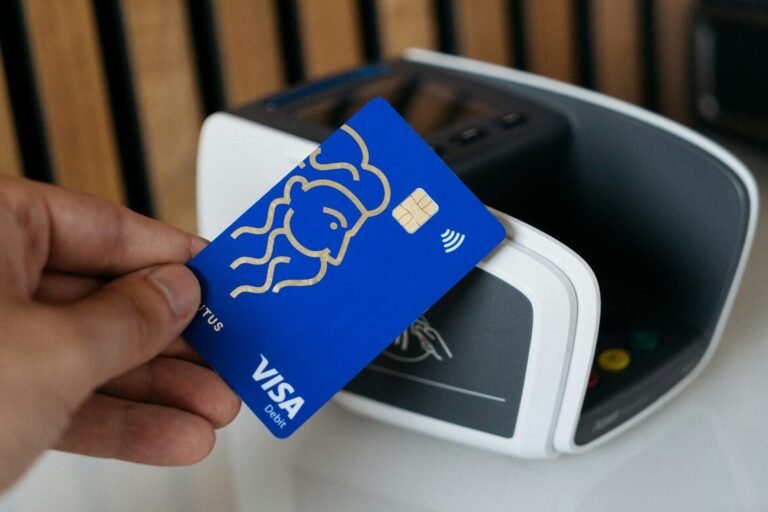
Visa and Stripe-owned Bridge plan to expand stablecoin-linked card programs to more than 100 countries while piloting onchain settlement with Lead Bank.

Nasdaq has sought SEC approval to list fixed-payout binary options tied to the Nasdaq 100, signaling traditional exchanges’ push into prediction-style markets.