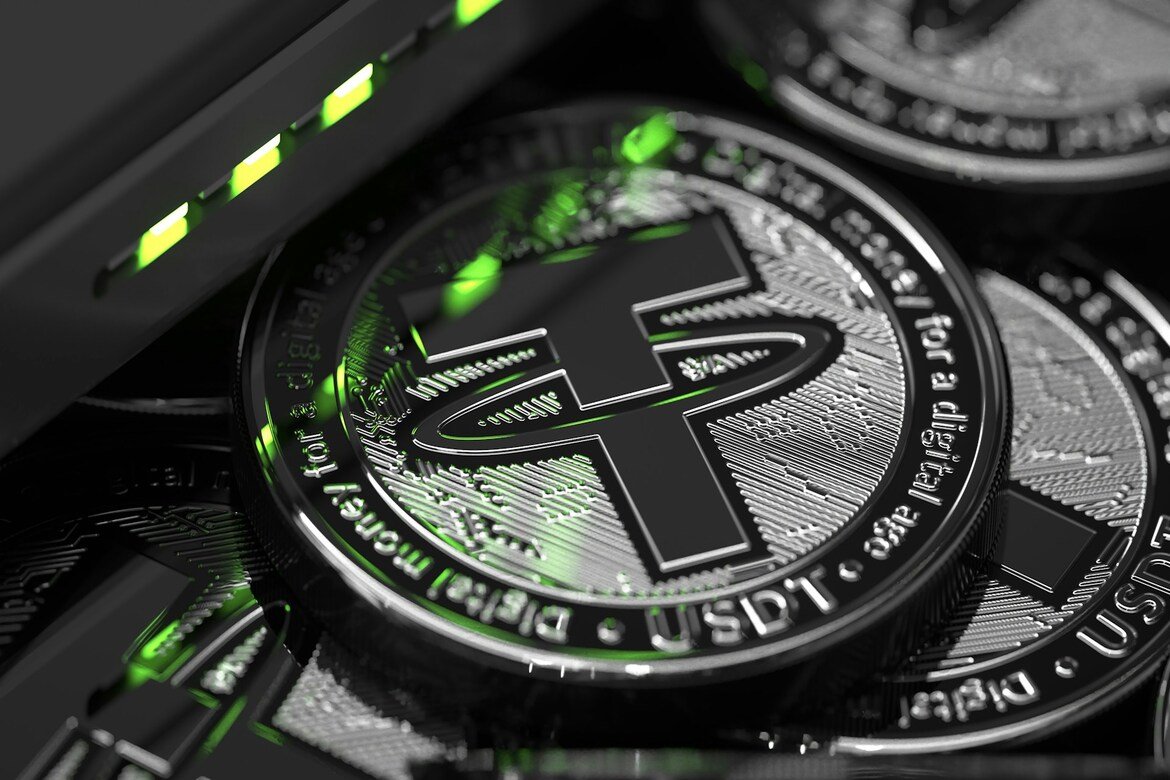

Tether has expanded support for its flagship USDT stablecoin and its tokenized gold product, Tether Gold, within Opera’s MiniPay wallet, marking a further push into mobile-first financial services across emerging markets. The integration allows MiniPay users to hold, send, and receive both digital dollars and gold-backed tokens through a self-custodial wallet built on the Celo blockchain.
The partnership is aimed at regions where access to traditional banking remains limited and demand for dollar-denominated savings tools continues to rise. Tether said the initiative targets users in Africa, Latin America, and Southeast Asia, where stablecoins are increasingly used for remittances, peer-to-peer transfers, and inflation protection.
Mobile Wallet Adoption in Emerging Markets
Opera’s MiniPay wallet is embedded directly into the Opera Mini browser and requires only a mobile phone number for activation, lowering onboarding barriers for first-time crypto users. According to Opera, MiniPay is now active in more than 60 countries, with 12.6 million activated wallets and over 350 million transactions processed to date. User growth accelerated in the fourth quarter, driven primarily by adoption in developing economies.
Transaction activity has also scaled alongside usage. More than $153 million was sent or received through MiniPay in December, highlighting growing reliance on stable-value digital assets for everyday payments. For users facing volatile local currencies, access to USDT provides exposure to the US dollar without requiring a bank account or foreign exchange infrastructure.
The addition of Tether Gold introduces an alternative savings instrument tied to physical gold, appealing to users seeking longer-term value preservation. Tokenized gold products have gained traction amid persistent inflation pressures and heightened macroeconomic uncertainty, particularly in regions with limited access to traditional commodities markets.
Stablecoins Face Shifting Market Conditions
While stablecoin adoption continues to expand in emerging markets, broader market indicators show signs of contraction. Industry data suggests total stablecoin market capitalization peaked late last year and has since declined alongside falling crypto asset prices. Analysts attribute the trend to increased risk aversion and reduced trading activity across centralized exchanges.
Despite these headwinds, payments-focused stablecoin usage remains resilient. Institutional observers note that transactional demand in mobile and cross-border contexts is structurally different from speculative trading flows. This divergence has reinforced interest in wallet-based distribution models that prioritize utility over yield or leverage.
For Tether, deeper integration into consumer-facing platforms like MiniPay strengthens its position as infrastructure rather than solely a trading instrument. The collaboration with Opera reflects a broader shift among stablecoin issuers toward embedded finance and direct-to-user distribution, particularly in high-growth regions where traditional financial rails remain fragmented.