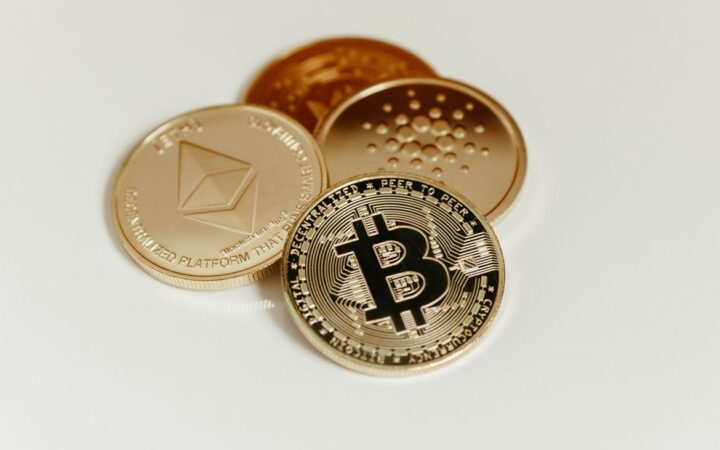
Japan’s parliament has approved legislation that formally recognizes cryptocurrencies as financial assets, shifting their legal treatment closer to stocks, bonds, and other investment products. Reuters reported that the amendment moves cryptoassets away from their previous position under the Payment Services Act and subjects them to a stricter financial-market framework.
The change represents one of Japan’s most significant crypto policy reforms in years. Cryptocurrencies were previously regulated primarily as payment instruments, with rules focused on exchange operations, custody, and consumer protection. Their new status recognizes that many investors use Bitcoin, Ethereum, and other tokens principally as financial investments rather than as everyday payment methods.
The framework is expected to take effect within a year. During that period, regulators will need to publish detailed rules covering disclosure, market supervision, exchange registration, custody, and the responsibilities of companies offering digital asset services to Japanese customers.
Insider Trading Rules Extend to Crypto Markets
Cryptoassets will become subject to restrictions similar to those governing insider trading in traditional securities. Market participants may be prohibited from trading on material nonpublic information concerning token issuers, listed projects, business partnerships, or other developments capable of moving prices.
Applying those rules may be more complicated than in equity markets because many cryptocurrencies do not have a conventional corporate issuer. Regulators will need to determine which parties possess privileged information and how disclosure obligations apply to foundations, developers, exchanges, market makers, and large token holders.
The law will also strengthen penalties for unregistered trading and other unauthorized crypto services. Japan already requires exchanges serving domestic users to register and comply with asset-segregation, cybersecurity, and anti-money-laundering standards. Tougher enforcement could reduce competition from offshore platforms that operate without local approval.
Financial Asset Status Could Expand Institutional Access
The reclassification may create a clearer path for banks, securities firms, asset managers, and pension funds to participate in the digital asset market. Institutions generally require assets to fit within established investment, custody, risk-management, and compliance frameworks before allocating meaningful capital.
Treating cryptocurrencies as financial assets could also support the eventual approval of domestic crypto exchange-traded funds. Japan has historically taken a cautious approach to products that directly hold Bitcoin or other tokens, even as spot crypto ETFs became available in the United States and several other markets.
The reform follows years of growth in Japanese exchange accounts and renewed interest from financial groups seeking to offer crypto-related services. A more conventional regulatory classification may improve consumer confidence and encourage product development, but it will also increase compliance costs for exchanges and token businesses.
Tax policy remains another important issue. Japanese crypto gains have traditionally been taxed differently from many securities investments, creating a potential disadvantage for active investors. Although financial asset status does not automatically resolve taxation, it may strengthen the case for aligning crypto gains with the treatment of other investment products.
Japan’s approach combines broader legitimacy with tighter oversight. The reform could bring more institutional capital into the industry, but companies will face higher expectations around disclosure, conduct, and registration. That balance reflects Japan’s goal of supporting digital asset innovation without allowing crypto markets to remain outside the protections applied to traditional finance.
Disclaimer: CoinScreamer is an independent media brand owned and operated by NuvexMedia LLC, publishing news, research, and market insights on digital assets and related technologies. NuvexMedia LLC invests in and collaborates with companies across the digital asset, blockchain, and technology sectors. These relationships do not influence CoinScreamer’s editorial coverage, and the publication maintains full editorial independence to provide accurate, timely, and objective information. © 2025 NuvexMedia LLC. All rights reserved. This content is for informational purposes only and should not be considered legal, tax, investment, financial, or other professional advice.