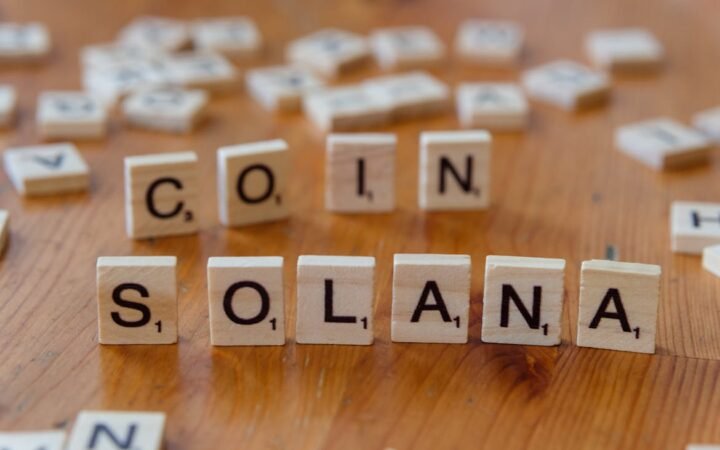
Solana Foundation Launches STRIDE Program to Strengthen Ecosystem Security
Solana introduces STRIDE and new security initiatives to enhance ecosystem protection and transparency.
A gas war refers to situations on blockchain networks where users compete to have their transactions processed faster by offering higher transaction fees. This typically occurs during high-demand events such as token launches, NFT mints, or airdrops. Since many blockchains prioritize transactions with higher fees, users increase their gas prices to gain priority in the queue. As a result, fees can rise significantly within a short period, making participation expensive and unpredictable. Gas wars can lead to network congestion and failed transactions, especially for users who set lower fees. They highlight scalability challenges in blockchain systems and the impact of demand on transaction costs.
Solana introduces STRIDE and new security initiatives to enhance ecosystem protection and transparency.

Spot Bitcoin ETFs record $471 million in inflows, marking the strongest daily performance since late February amid volatile market conditions.

A solo Bitcoin miner beat steep odds to earn a $210,000 reward, highlighting the unpredictable nature of mining.

Circle introduces a quantum-resistance roadmap for its Arc blockchain, aiming to protect crypto infrastructure ahead of potential quantum threats.

Crypto hackers stole nearly $169 million from DeFi protocols in Q1 2026, marking a sharp decline from last year’s record-breaking losses.
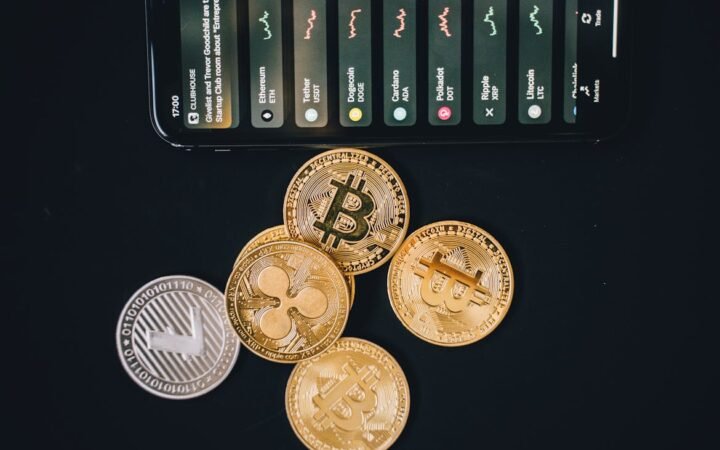
The IMF highlights tokenization’s potential to improve finance while warning of risks to stability, capital flows, and monetary sovereignty.

Alabama becomes the second US state to grant legal recognition to DAOs, offering liability protections and a formal legal framework.
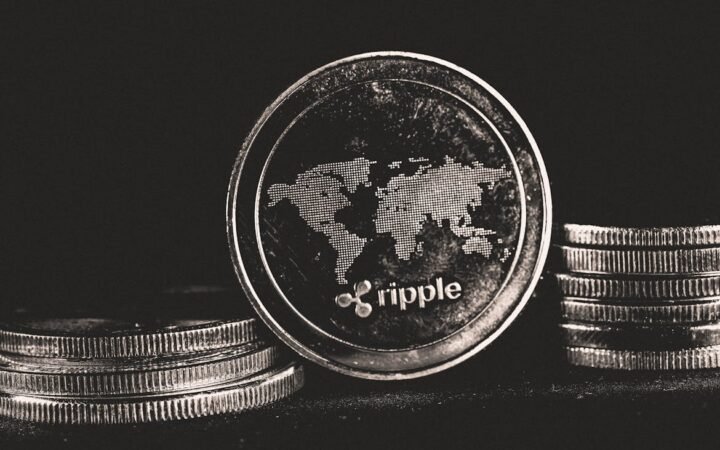
Ripple adds digital asset capabilities to its treasury platform, enabling companies to manage crypto and fiat in one system.
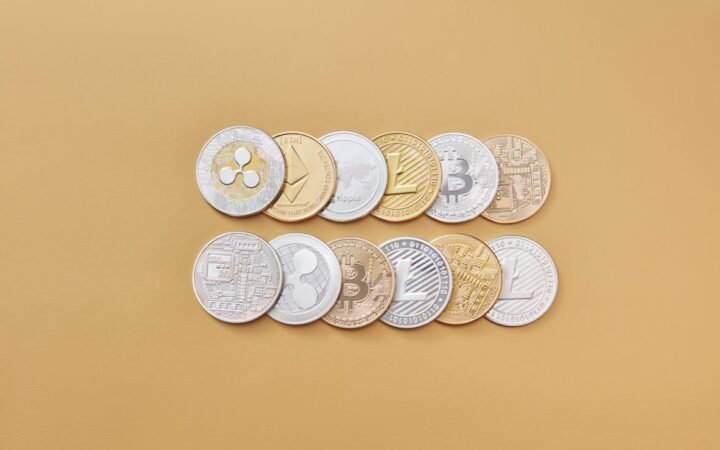
SBI Holdings-backed B2C2 names Solana as its main network for institutional stablecoin transactions, signaling a shift toward high-speed blockchain infrastructure.

New Google research suggests quantum computers may break crypto encryption with far fewer qubits than previously expected.