B2C2, the institutional trading firm backed by SBI Holdings, has designated Solana as its primary network for stablecoin settlement. The move marks a significant shift in how large-scale crypto transactions are routed, with the firm now prioritizing Solana for executing and settling institutional flows.
Founded in 2015, B2C2 operates as a liquidity provider serving institutional clients, including banks, fintech firms, and trading platforms. The firm has played a key role in crypto market infrastructure, acting as a market maker for companies such as Robinhood and forming partnerships with institutions like Standard Chartered, Anchorage Digital, and Bitget.
Why Solana Is Gaining Institutional Momentum
B2C2’s decision reflects growing confidence in Solana’s ability to handle high-volume, low-latency transactions. The network’s architecture allows for fast settlement and scalability, key factors for institutional clients managing large stablecoin transfers.
According to B2C2 CEO Thomas Restout, Solana has emerged as “fundamental financial infrastructure,” offering the speed, reliability, and scale required for institutional use cases. These attributes are increasingly important as traditional finance firms adopt blockchain technology for real-time settlement and cross-border payments.
The firm will support a wide range of Solana-based stablecoins, including USDC, USDT, PYUSD, EURC, and others, enabling clients to access diverse liquidity options on a single network.
Rising Adoption Across Financial Institutions
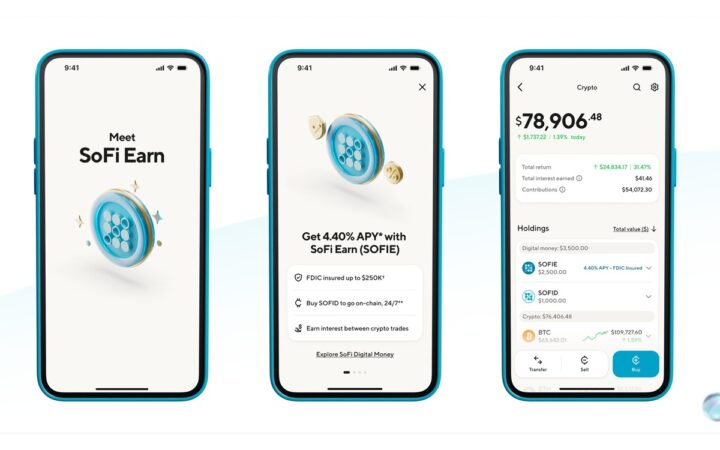
Solana’s institutional adoption has accelerated over the past year. Major payment networks such as Visa and Mastercard have integrated the blockchain for stablecoin settlement, while firms like PayPal, SoFi, Western Union, and Worldpay have also explored or implemented Solana-based solutions.
Network activity reflects this trend. In February 2026, Solana recorded approximately $650 billion in stablecoin transaction volume, more than doubling its previous monthly high. Its total stablecoin market capitalization also surged, reaching around $15 billion by the end of 2025, up from just over $5 billion a year earlier.
Still Behind Ethereum and Tron
Despite rapid growth, Solana continues to trail leading stablecoin networks like Ethereum and Tron in overall market share. Its stablecoin market cap remains a fraction of Ethereum’s, highlighting the gap it must close to become the dominant settlement layer.
However, its consistent growth in transaction volume and institutional adoption suggests momentum is building. B2C2’s endorsement could further strengthen its position as a viable alternative for high-throughput financial applications.
Expanding Institutional Crypto Infrastructure
The move also aligns with B2C2’s broader strategy to enhance institutional crypto services. The firm previously launched its zero-fee stablecoin swap platform, PENNY, aimed at optimizing foreign exchange, treasury management, and cross-border payments for banks and financial institutions.
As demand for efficient, real-time settlement grows, B2C2’s shift to Solana underscores a broader industry transition toward blockchain networks capable of supporting large-scale financial activity. While Ethereum and Tron remain dominant, Solana’s increasing role in institutional workflows signals a changing landscape in stablecoin infrastructure.
Disclaimer: CoinScreamer is an independent media brand owned and operated by NuvexMedia LLC, publishing news, research, and market insights on digital assets and related technologies. NuvexMedia LLC invests in and collaborates with companies across the digital asset, blockchain, and technology sectors. These relationships do not influence CoinScreamer’s editorial coverage, and the publication maintains full editorial independence to provide accurate, timely, and objective information. © 2025 NuvexMedia LLC. All rights reserved. This content is for informational purposes only and should not be considered legal, tax, investment, financial, or other professional advice.