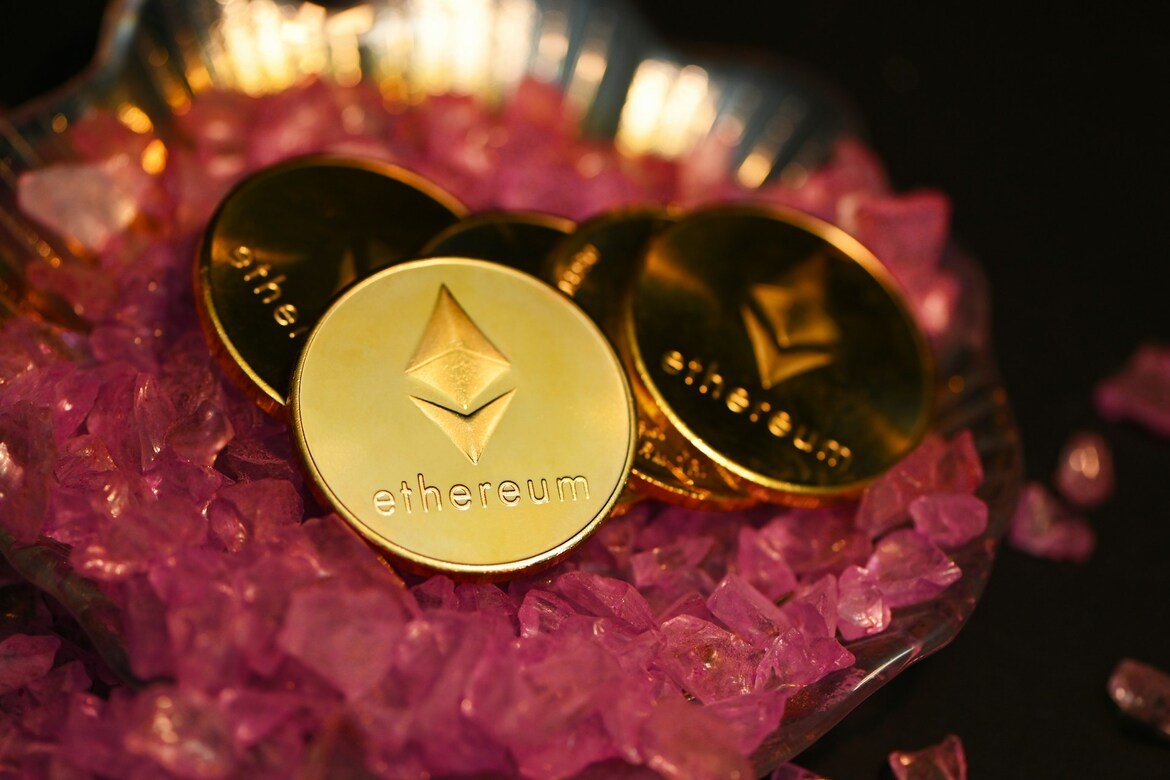

Ethereum closed 2025 with its highest level of onchain activity on record, underscoring a shift in how the network is being used nearly four years after the peak of the NFT cycle. Data shows the seven-day moving average of daily transactions reached 1.87 million on December 31, exceeding both the 2021 NFT and DeFi boom and more recent highs set earlier in 2025.
The rise in transactions was accompanied by a sharp increase in network participation. Active addresses climbed to nearly 729,000, the strongest reading since mid-2021, while new addresses surpassed 270,000 in a single day, the largest increase since early 2018. Together, the figures suggest broader engagement rather than isolated bursts of speculative activity.
Network Upgrades Reshape Ethereum Usage
The surge follows a year of significant technical changes aimed at improving scalability and lowering transaction costs. In 2025, Ethereum implemented the Pectra and Fusaka upgrades, which expanded blob throughput, introduced account abstraction features, and enhanced data availability through PeerDAS. These changes reduced fees and eased network congestion while supporting higher transaction volumes.
The upgrades align with Ethereum’s longer-term rollup-centric roadmap, which shifts much activity to layer-2 networks while keeping settlement on the main chain. Higher gas limits and improvements in zkEVM performance also contributed to more efficient processing, allowing activity to scale without placing additional strain on validators. For developers and users, the result has been a more predictable and cost-effective environment.
Another round of upgrades is planned for 2026. Glamsterdam is expected to focus on overall performance and decentralization, while the Hegota upgrade later in the year aims to strengthen the network’s long-term sustainability. These changes are closely watched by institutions that rely on network stability and throughput.
Institutional Demand and Competitive Pressure
Beyond technical factors, institutional participation has played a growing role in Ethereum’s activity. Spot ETFs, stablecoin settlement, and real-world asset tokenization have driven consistent transaction flows that differ from the speculative bursts seen during earlier cycles. Much of the current usage reflects financial infrastructure rather than short-term trading behavior.
Despite increased competition from alternative layer-1 networks, Ethereum continues to dominate key segments, including stablecoins, tokenized assets, and decentralized finance protocols. Many competing platforms offer lower fees or faster execution, but Ethereum’s liquidity depth and EVM compatibility remain significant advantages for large allocators.
Market pricing has not fully reflected the increase in network usage. Ether is trading just above $3,000 in early January, modestly higher on the day but well below prior cycle highs. The divergence between price performance and onchain activity highlights a market that remains cautious even as fundamentals strengthen.
Taken together, the record transaction levels point to Ethereum’s evolution from a speculative playground into a core settlement layer for digital finance. Whether that activity translates into sustained market repricing will depend on macro conditions, regulatory clarity, and the network’s ability to maintain its competitive edge.