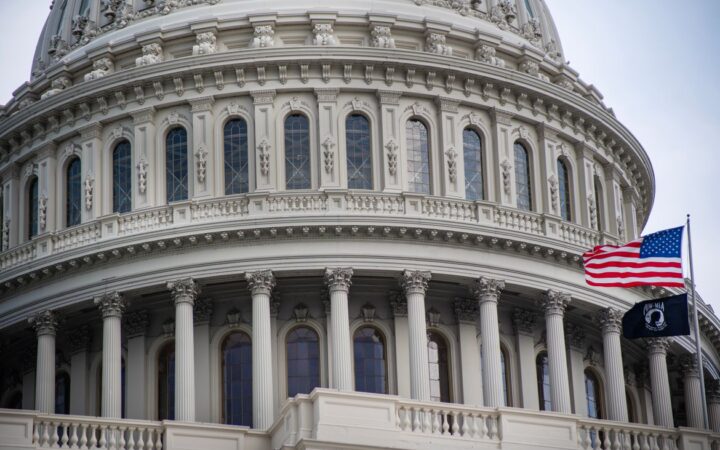
The US House and Senate have finalized a sweeping legislative deal on the 21st Century Road to Housing Act. While primarily aimed at tackling national housing affordability and blocking institutional investors from purchasing single-family rental homes, the compromised package contains a major structural victory for the digital asset industry: a comprehensive federal ban prohibiting the Federal Reserve from issuing a Central Bank Digital Currency (CBDC) until December 31, 2030.
The consensus bypasses years of gridlock surrounding standalone anti-CBDC legislation, clearing the runway for Congress to pivot toward broader digital asset legislation before the upcoming August recess.
Architecture of the Digital Asset Moratorium
The housing bill introduces explicit boundaries to ensure the federal government cannot leverage blockchain architecture for centralized financial surveillance.
The statutory language dictates that the Federal Reserve may not, directly or indirectly, “issue or create a central bank digital currency or any digital asset that is substantially similar.” However, lawmakers intentionally carved out an explicit exemption to protect private, dollar-denominated stablecoins, ensuring that open, permissionless network innovation remains fully legal under federal law.
Legislative Progression and Context
Crypto advocates and industry groups have long lobbied heavily against the implementation of a digitized dollar. The primary concern rests on financial privacy, with advocates warning that a state-controlled asset would effectively give authorities direct visibility into and control over individual financial transactions.
By tying the provisional ban to an essential housing infrastructure package, Republicans have successfully maneuvered around partisan blockades. The temporary freeze gives the private digital asset sector a clear, four-year runway to solidify its stablecoin frameworks without facing direct, state-backed competition from the central bank.
Disclaimer: CoinScreamer is an independent media brand owned and operated by NuvexMedia LLC, publishing news, research, and market insights on digital assets and related technologies. NuvexMedia LLC invests in and collaborates with companies across the digital asset, blockchain, and technology sectors. These relationships do not influence CoinScreamer’s editorial coverage, and the publication maintains full editorial independence to provide accurate, timely, and objective information. © 2025 NuvexMedia LLC. All rights reserved. This content is for informational purposes only and should not be considered legal, tax, investment, financial, or other professional advice.