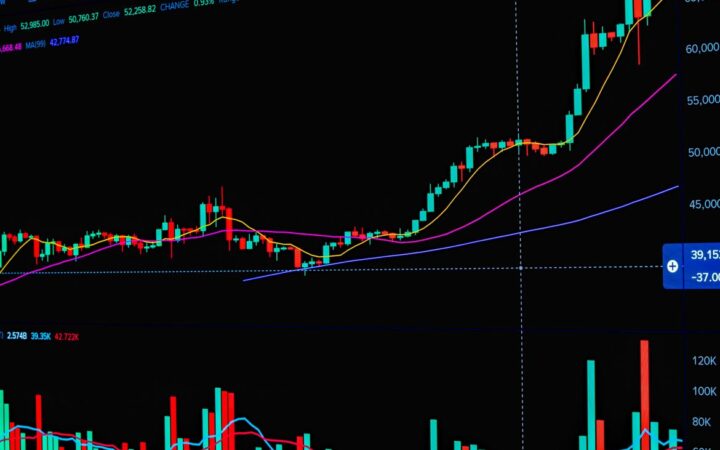
Digital asset investment products recorded 1.2 billion dollars in weekly inflows, extending a positive growth trend into their fourth consecutive week. This capital surge highlights a persistent recovery in institutional confidence following a period of relative market consolidation. According to the latest data from CoinShares, the influx represents a significant milestone in the broader digital asset landscape for the second quarter of 2026. Bitcoin remains the primary driver of this positive sentiment, capturing the vast majority of the weekly total. Institutional participants are increasingly utilizing exchange-traded products to gain exposure while navigating recent price fluctuations. This steady accumulation suggests that professional investors are looking past short-term volatility in favor of long-term strategic positioning.
Regional analysis shows that the majority of these inflows originated from North American and European markets. This geographical distribution reflects a coordinated interest in regulated financial instruments across major economic hubs. As regulatory clarity continues to improve, more traditional firms are integrating digital assets into their standard allocation models.
Bitcoin Dominance and Institutional Allocation Strategy
The dominance of Bitcoin within the 1.2 billion dollar inflow confirms its status as the preferred entry point for institutional capital. Market participants often view the asset as a digital equivalent to gold, especially during cycles of macroeconomic uncertainty. This preference has led to a narrowing of capital flows toward altcoins, which have seen comparatively modest gains in institutional interest.
Fund managers are also noting a shift in how these investments are executed, with a growing emphasis on low-fee, high-liquidity vehicles. This competitive pressure among asset managers has resulted in a more efficient market for retail and professional investors alike. Consequently, the barriers to entry for large-scale capital have never been lower, facilitating the current four-week streak of inflows.
The internal dynamics of the Bitcoin market are being reshaped by these large-scale entries. As more supply is absorbed by institutional-grade vaults, the available liquid supply on exchanges has reached multi-year lows. This supply-side constraint could provide a fundamental floor for valuations as the market continues to mature into a distinct asset class.
Expansion into Blockchain Equities and Infrastructure
In addition to direct cryptocurrency exposure, blockchain equity ETFs have reached record demand during the final week of April. These products offer investors a way to capitalize on the performance of companies involved in mining, hardware manufacturing, and decentralized infrastructure. The record-setting interest in these equities suggests that investors are looking to capture value from the entire blockchain ecosystem rather than just price action.
This diversification indicates that the investment thesis for digital assets is maturing beyond simple speculation on token values. By allocating capital to infrastructure providers, institutional investors are essentially betting on the long-term viability of the underlying technology. This approach provides a measure of insulation from the volatility associated with individual cryptocurrencies.
From a macro perspective, the continued health of crypto investment products serves as a barometer for broader risk-on sentiment. Despite shifting interest rate expectations and inflationary pressures, the commitment to digital asset products remains robust. As we move deeper into 2026, the convergence of institutional-grade infrastructure and sustained capital flows suggests a new phase of market stability.
Disclaimer: CoinScreamer is an independent media brand owned and operated by NuvexMedia LLC, publishing news, research, and market insights on digital assets and related technologies. NuvexMedia LLC invests in and collaborates with companies across the digital asset, blockchain, and technology sectors. These relationships do not influence CoinScreamer’s editorial coverage, and the publication maintains full editorial independence to provide accurate, timely, and objective information. © 2025 NuvexMedia LLC. All rights reserved. This content is for informational purposes only and should not be considered legal, tax, investment, financial, or other professional advice.