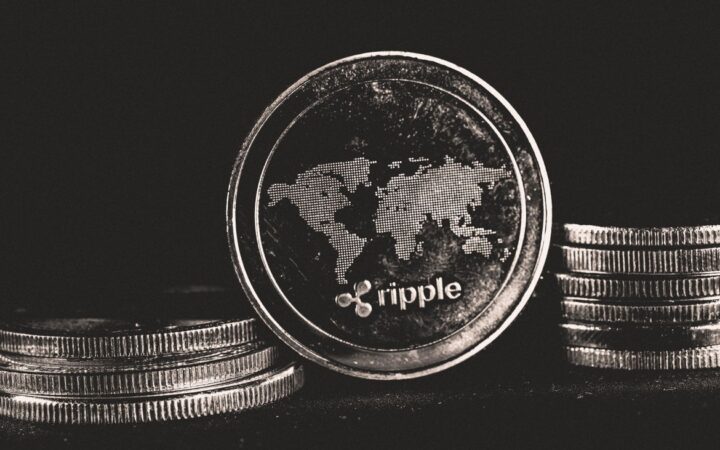

Ripple is laying the groundwork for a post-quantum future with a comprehensive roadmap to upgrade the XRP Ledger (XRPL) against emerging cryptographic threats. The initiative comes as advances in quantum computing raise concerns about the long-term security of blockchain systems.
Recent developments from Google Quantum AI have intensified discussions around how quantum machines could eventually break widely used cryptographic standards. While such risks are not immediate, Ripple argues that preparation must begin now—especially for systems designed to store long-term value.
Why Quantum Risk Matters for Blockchain
Modern blockchains rely on cryptographic algorithms to secure wallets, validate transactions and protect user funds. However, sufficiently advanced quantum computers could theoretically break these systems, exposing private keys and compromising assets.
A growing concern is the so-called “harvest now, decrypt later” strategy, where attackers collect encrypted blockchain data today with the intention of decrypting it once quantum capabilities mature. This creates a delayed but serious risk for long-lived assets.
For XRPL, the issue is particularly relevant because public keys are revealed during transactions. Over time, this exposure could make accounts vulnerable in a post-quantum environment if no migration path exists.
XRPL’s Built-In Advantages
Ripple emphasizes that XRPL is not starting from scratch. The network already includes features that make future upgrades more feasible compared to other blockchains like Ethereum.
One key advantage is native key rotation, which allows users to update their cryptographic keys without changing account addresses. This enables gradual migration away from potentially vulnerable keys. Additionally, XRPL supports seed-based key generation, allowing deterministic creation of new keys.
While these features are not quantum-resistant on their own, they provide a strong foundation for transitioning to new cryptographic standards without disrupting users.
A Four-Phase Roadmap to 2028
Ripple’s strategy is structured as a multi-phase roadmap aimed at achieving full post-quantum readiness by 2028.
The first phase focuses on “Q-Day” preparedness, a contingency plan for a scenario where current cryptography is suddenly broken. This includes mechanisms to securely migrate funds to quantum-resistant accounts, potentially using advanced techniques like zero-knowledge proofs.
The second phase, underway in 2026, involves testing quantum-resistant algorithms recommended by global standards bodies such as the National Institute of Standards and Technology. This includes evaluating their impact on performance, storage, and network efficiency.
In the third phase, Ripple plans to introduce hybrid systems where traditional and quantum-resistant cryptography run in parallel. This allows developers to test new systems without disrupting the existing network.
The final phase targets full implementation, with XRPL transitioning to native post-quantum cryptography across the ecosystem by 2028.
Collaboration and Industry Efforts
Ripple is working with partners like Project Eleven to accelerate development. This includes validator-level testing, custody solutions, and real-world simulations of quantum-resistant systems.
The company is also exploring broader cryptographic innovations, including quantum-safe zero-knowledge proofs and encryption methods that could enhance privacy and compliance features on XRPL.
Preparing for a Quantum Future
Ripple’s roadmap highlights a growing recognition across the crypto industry: quantum computing is no longer a distant possibility but a credible future risk.
By starting early, Ripple aims to ensure that XRPL remains secure, scalable, and reliable even as the underlying technological landscape evolves. The approach balances innovation with caution, focusing on gradual migration rather than disruptive overhauls.
If successful, the initiative could position XRPL as one of the first major blockchain networks ready for the quantum era—well before the threat becomes urgent.