
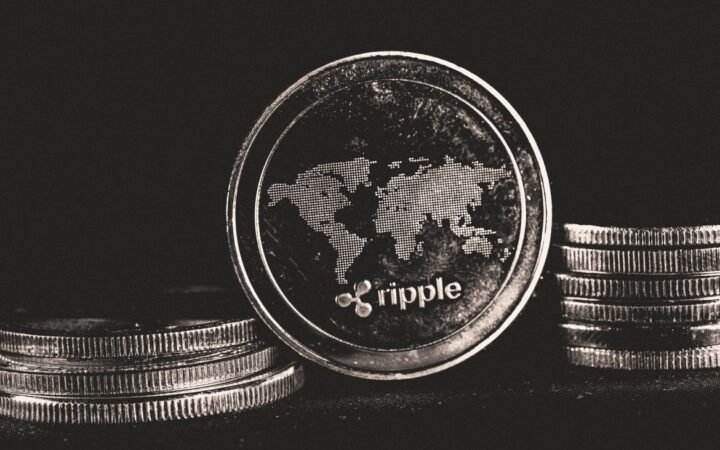
A single conditional remark from Ripple Chief Executive Officer Brad Garlinghouse has ignited intense speculation across the digital asset ecosystem. Asked during a recent podcast appearance whether XRP token holders would directly participate in the financial upside if Ripple eventually launches an Initial Public Offering (IPO), Garlinghouse noted that a scenario could exist where the enterprise designs “something special” for the community. However, he immediately qualified the statement by emphasizing that any such consideration is “not in the immediate term” and remains a highly speculative future variable.
Within hours, the comment was widely amplified across social channels, with retail communities translating a highly conditional “maybe” into a definitive corporate promise. In reality, the strategic distance between a hypothetical corporate gesture and an executable allocation plan is vast. For market participants, navigating this development requires separating structural corporate finance from speculative sentiment.
Structural Divide: Corporate Equity vs. Digital Tokens
The core misunderstanding driving the community’s reaction stems from a foundational confusion regarding asset architecture: Ripple the corporation and XRP the digital token are entirely independent legal instruments.
Ripple Labs Inc. operates as a private, venture-backed enterprise dedicated to building cross-border settlement infrastructure and institutional liquidity software.
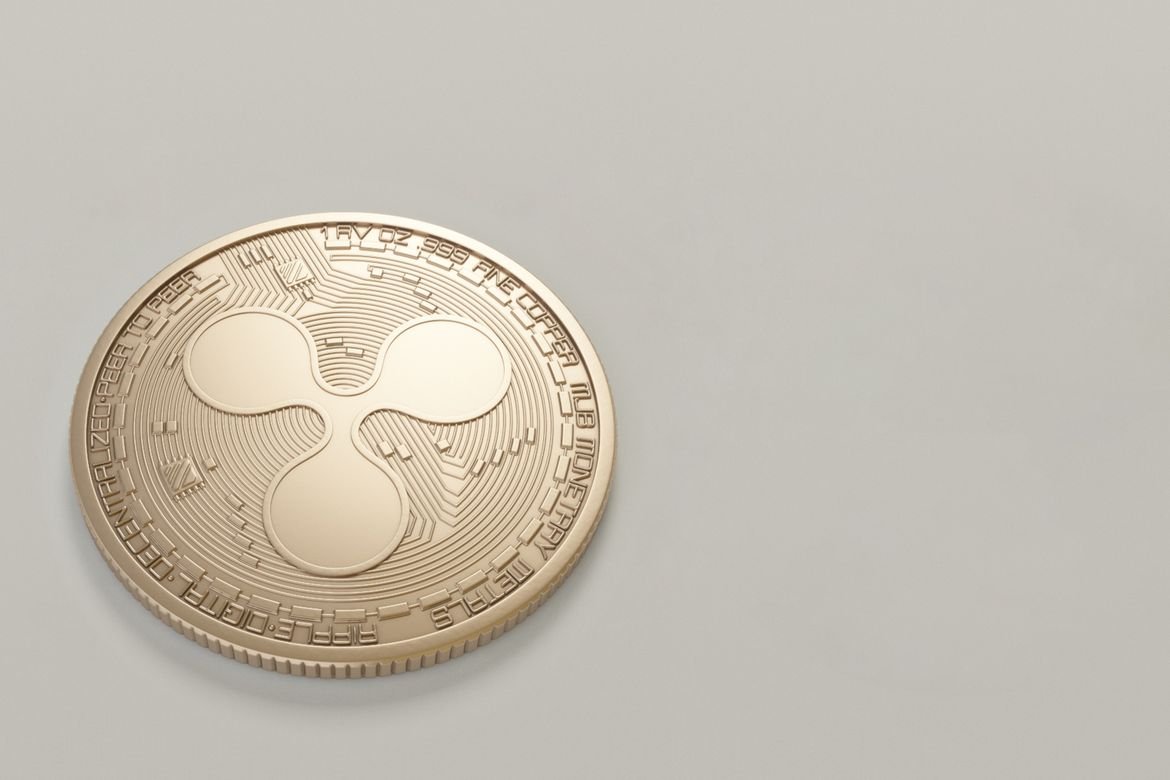
XRP is a native, decentralized cryptographic token running on the open-source XRP Ledger.
While Ripple remains the largest single programmatic custodian of XRP, holding the token grants an investor zero legal rights to corporate equity, no voting power within the enterprise, and no automated claim to commercial dividends or balance sheet assets.
Because there is no native cryptographic or legal bridge linking token ownership to corporate share capital, any post-IPO reward mechanism would require a complex, voluntary corporate action. The company is under no legal or fiduciary obligation to distribute public market proceeds to decentralized token holders, meaning that an automatic financial pass-through does not exist.
Theoretical Bottlenecks to Direct Token Holder Rewards
If Ripple’s board were to eventually pursue a special allocation for the token community, executing it would introduce significant regulatory and operational friction.
Traditional public listings are heavily monitored by the US Securities and Exchange Commission (SEC) and strict accounting principles. Directly favoring un-registered token holders using corporate treasury capital or public stock allocations could trigger intense legal pushback from incoming Wall Street equity shareholders, who demand that corporate value be preserved exclusively for actual stock owners.
Furthermore, Garlinghouse has consistently reiterated that a public listing is not an immediate priority for the company. Bolstered by robust private market valuations, internally estimated near $50 billion following targeted corporate share buyback initiatives, Ripple possesses significant capital reserves, removing any immediate operational pressure to access traditional public markets.
Ecosystem Realities: Intentional Alignment Over Direct Payouts
Rather than anticipating a direct corporate handout or a structured token buyback program, long-term market participants look to the indirect, structural value that Ripple’s commercial expansion provides to the underlying ledger.
The enterprise evaluates its global acquisitions, institutional partnerships, and venture investments through a singular operational lens: whether the initiative drives long-term adoption, liquidity, and commercial utility for the XRP Ledger. Consequently, the true value proposition for token holders remains fundamentally anchored to organic ecosystem network effects, regulatory clarity, and enterprise payment volume, rather than the speculative terms of a distant corporate public listing.