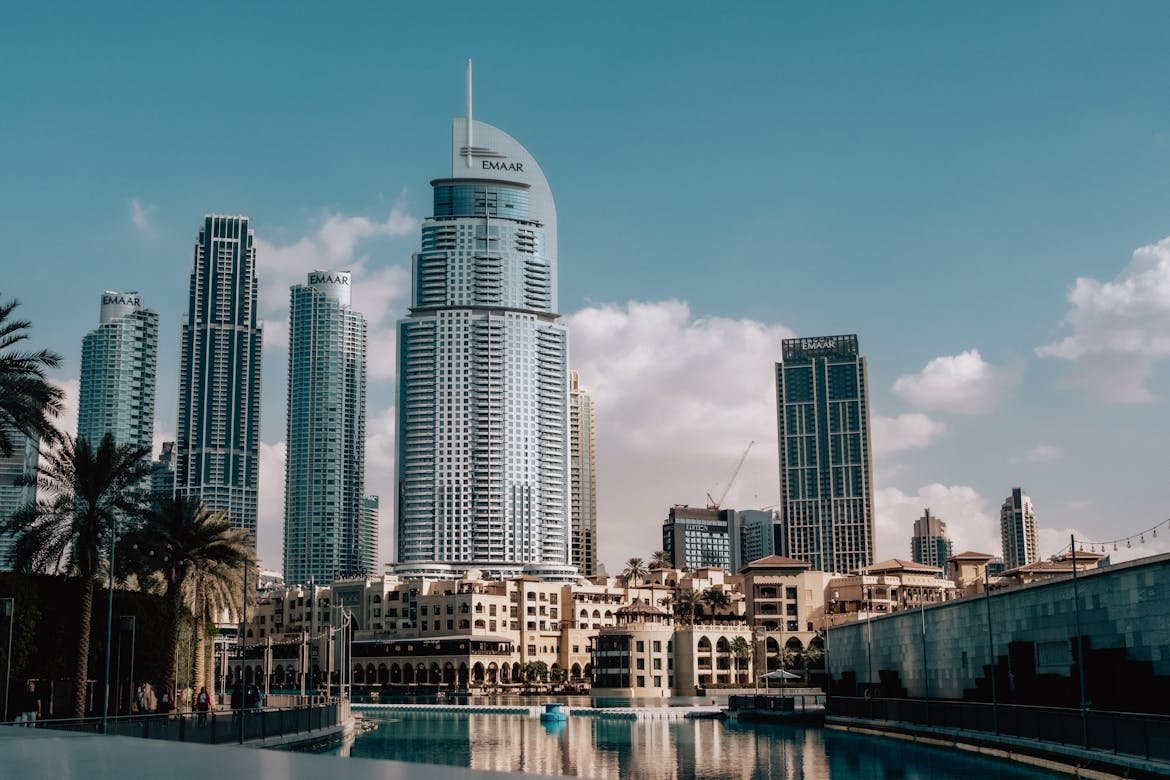

In a clear signal that the center of gravity for institutional blockchain adoption is shifting eastward, Ripple has officially inaugurated its new Middle East and Africa (MEA) regional headquarters. Located in the Dubai International Financial Centre (DIFC), the expanded facility is designed to double the company’s local headcount as regional demand for regulated payment and custody solutions reaches a fever pitch.
Ripple is opening its new Middle East and Africa regional HQ in the @DIFC: https://t.co/v8E2w5TEue
Six years after our first Dubai office, the Middle East is now one of our most significant markets globally and demand for regulated blockchain infrastructure continues to grow. 🇦🇪…
— Ripple (@Ripple) April 30, 2026
Strategic Hub for Global Growth
The expansion comes six years after Ripple first established its Dubai roots in 2020. Since then, the Middle East has evolved from a satellite market into a primary growth engine, now accounting for approximately 20% of Ripple’s global customer base.
The new headquarters isn’t just about desk space; it’s about capacity. Ripple plans to scale its regional team across engineering, sales, and compliance to support a roster of heavyweight clients, including Zand Bank, Absa Bank, Garanti BBVA, and Chipper Cash.
Regulatory Tailwinds and the Rise of RLUSD
Ripple’s momentum in the UAE is bolstered by a series of landmark regulatory approvals from the Dubai Financial Services Authority (DFSA). These milestones have turned the DIFC into a “regulatory safe harbor” for Ripple’s enterprise products.
- March 2025: Ripple became the first blockchain payments provider to be fully licensed by the DFSA.
- June 2025: The DFSA approved RLUSD, Ripple’s dollar-backed stablecoin, as a recognized crypto token.
- April 2026: RLUSD’s market capitalization has surpassed $1.5 billion, making it a key liquidity tool for regional institutional settlement.
Leading the Future of Finance
Reece Merrick, Managing Director for MEA at Ripple, noted that the region’s “upward trajectory” is no accident. “From our earliest days in the UAE, we have seen first-hand the appetite from local businesses for regulated, blockchain-powered payment infrastructure,” Merrick said.
The sentiment was echoed by His Excellency Arif Amiri, CEO of the DIFC Authority, who described Ripple as a “model for how digital asset firms can operate with both ambition and accountability.”
As traditional finance and digital assets continue to converge, Ripple’s expansion positions it as the primary bridge for the $60 billion annual remittance corridor flowing through the Middle East. By embedding itself in the heart of Dubai’s financial district, Ripple is ensuring that the next phase of its global story is written in the UAE.