At the federal level, the Commodity Futures Trading Commission has pushed back, asserting that prediction markets fall under its exclusive jurisdiction. The agency has filed lawsuits against states such as Illinois, Connecticut, and Arizona, arguing that Congress intended for a unified national framework for event-based contracts rather than a fragmented state-by-state approach.
Courts Divided on Whether Prediction Markets Equal Gambling
A central issue in the legal debate is whether prediction market contracts, particularly those tied to sports, should be classified as gambling. While platforms offer markets on a range of real-world events, data suggests that a large share of activity is driven by sports-related contracts.
Critics argue that these offerings are functionally indistinguishable from sportsbook wagers. Legal experts have questioned whether Congress explicitly authorized such products under derivatives law, noting that legislative intent remains unclear.
This tension has already surfaced in court rulings. In one appellate case, judges pointed to marketing materials and product similarities as evidence that prediction markets closely resemble gambling platforms. Despite this, courts have not reached a unified conclusion.
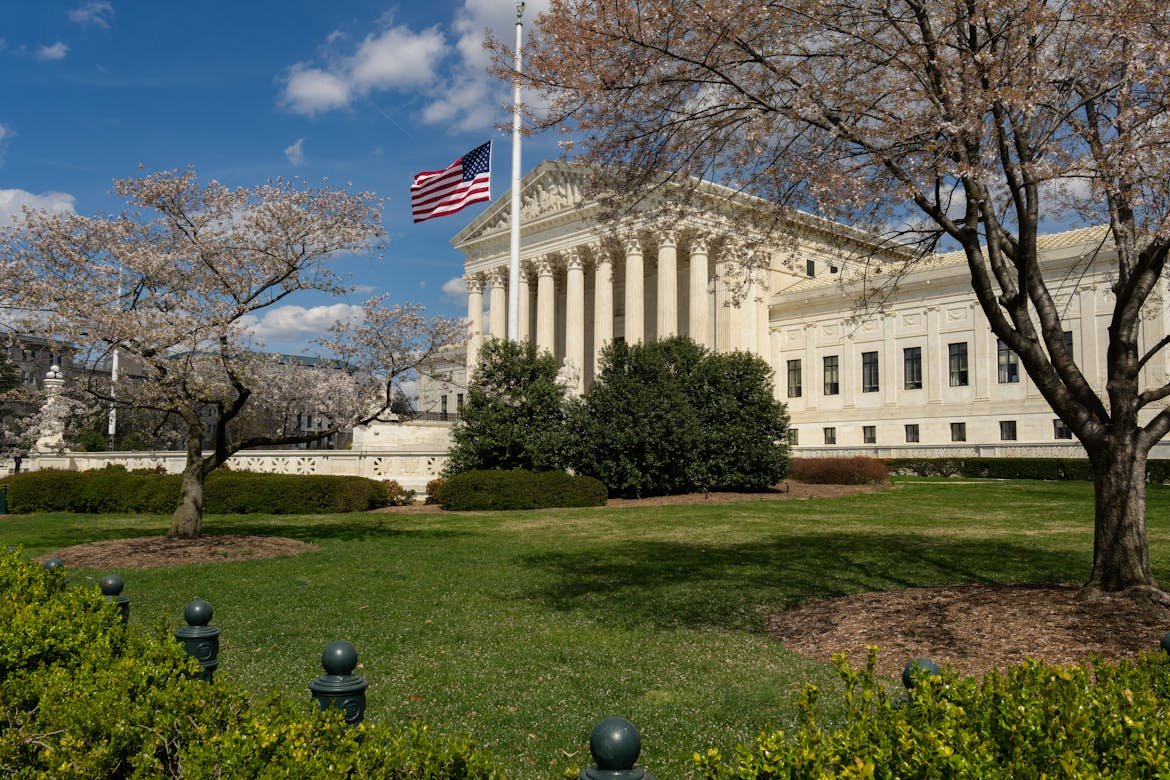
The Third Circuit Court previously ruled that states like New Jersey lacked authority to regulate such platforms, but a separate case in Nevada is now being heard by the Ninth Circuit Court of Appeals. A ruling in favor of Nevada could escalate the matter to the Supreme Court, where a definitive interpretation of federal versus state authority would be decided.
Federal and State Regulators Move Toward Confrontation
The growing legal clash highlights a broader regulatory struggle between federal oversight and state-level enforcement. Federal regulators argue that allowing states to impose their own rules would undermine the consistency of derivatives markets. Meanwhile, state authorities maintain that platforms offering sports-related contracts fall squarely within gambling laws designed to protect consumers.
Legal observers suggest the case represents a classic conflict between existing regulatory frameworks and emerging financial technologies. The outcome could set a precedent not only for prediction markets but also for how innovative financial products are classified and governed.
Insider Trading Concerns Add New Layer of Scrutiny
Beyond classification debates, prediction markets are also facing increased scrutiny over insider trading risks. Several US states have introduced measures to prevent public officials from using non-public information to profit from event-based contracts.
Recent incidents have highlighted these concerns, including cases where traders allegedly profited from advance knowledge of geopolitical or governmental actions. Similar investigations have emerged internationally, reinforcing fears that prediction markets could be vulnerable to misuse without robust oversight.