Tether to End Uruguay Bitcoin Mining Operations Citing High Energy Costs
Tether, the stablecoin issuer, is reportedly ceasing its Bitcoin mining operations in Uruguay and laying off most of its local team due to uncompetitive energy costs.
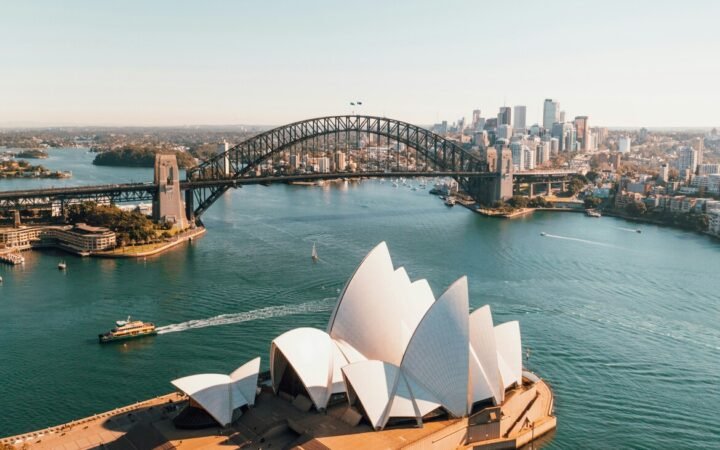
The Australian government introduced comprehensive legislation to Parliament requiring crypto exchanges and custody providers to obtain an Australian Financial Services Licence (AFSL).
Bolivia’s government announced plans to integrate cryptocurrencies and stablecoins into the formal financial system, allowing banks to offer crypto-based services.
The plan proposed by Sumar also seeks to classify all cryptocurrencies as seizable assets and require the introduction of a visual “risk traffic light” warning system for investors.
This concern cited by the South African Reserve Bank is driven by the growing user base and the borderless nature of digital assets, which can be used to bypass Exchange Control Regulations.
The creation of MoonPay Trust Company is a clear indication of MoonPay’s focus on institutional and enterprise customers.
Kazakhstan is creating a national crypto-asset fund worth up to $1 billion, using seized digital wallets and targeting investments in ETFs and blockchain-linked companies.
Ripple has expanded into prime brokerage with the launch of Ripple Prime in the United States, allowing institutional clients to trade and manage a full range of digital asset products, including XRP and RLUSD.
A document shared via the account of Sam Bankman-Fried argues that FTX was never insolvent, claiming its assets could have reached $136 billion and its native token FTT $22 billion today.