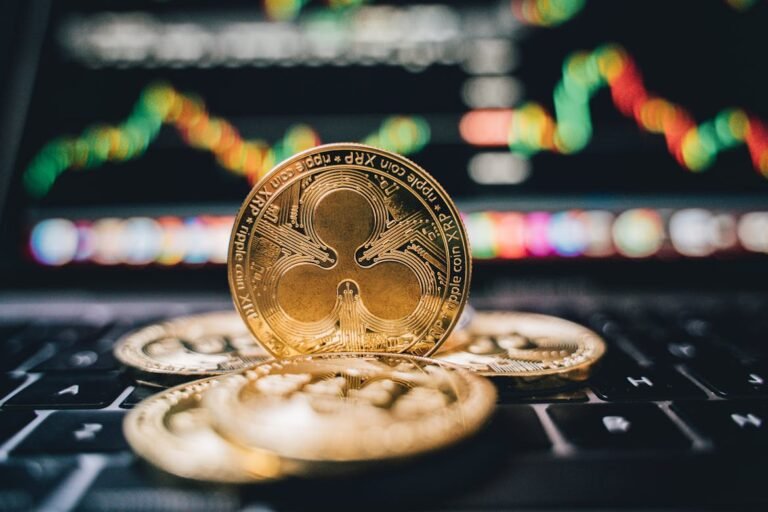
XRP is the native digital asset of the XRP Ledger, a blockchain designed for fast and efficient value transfer. For beginners, XRP is one of the clearest examples of a crypto asset built around payments, settlement, and transaction speed.
XRP is one of the best-known cryptocurrencies in the market, but it occupies a different role from Bitcoin, Ethereum, or Solana. While some blockchains built their identity around scarcity, smart contracts, or consumer apps, XRP became associated with fast and efficient value transfer. For beginners, XRP is important because it helps explain the payments and settlement side of crypto.
XRP is the native digital asset of the XRP Ledger, or XRPL. The XRP Ledger is a decentralized public blockchain designed to process and record financial transactions. That design gave XRP a distinct place in the market as a cryptocurrency closely linked to payments, transaction efficiency, and cross-border transfers.
What Is XRP?
XRP is the digital asset supported by the XRP Ledger. It can be sent directly between accounts without relying on a central intermediary, which is one reason it is often discussed in relation to payments and settlement. In simple terms, XRP was built to move value quickly and efficiently across a blockchain network.
This makes XRP different from many other major crypto assets. Bitcoin is often described as digital gold, while Ethereum is best known for smart contracts and decentralized applications. XRP, by contrast, is usually discussed through the lens of financial transfers, payment rails, and liquidity movement.
How the XRP Ledger Works
The XRP Ledger is a decentralized blockchain that uses XRP as its native digital currency to process transactions. It is maintained by a global community rather than by a single company or institution. That means XRP transactions are recorded on a public blockchain, but the network was built with a strong focus on payment efficiency.
One of the main reasons XRP gained attention is transaction speed. The XRP Ledger was designed for payments that can settle in seconds, making the network much faster than many traditional payment systems. For beginners, the key point is that XRP was built to make moving value feel quicker and cheaper than legacy financial rails.
What Makes XRP Different From Bitcoin and Ethereum
Bitcoin is generally viewed as a decentralized store-of-value asset with a fixed supply. Ethereum is widely seen as a programmable blockchain that powers smart contracts and applications. XRP takes a narrower and more payments-oriented approach, focusing on transaction speed, efficiency, and movement of value.
That gives XRP a different investment narrative. Bitcoin is often judged through macroeconomic and scarcity-based arguments. Ethereum is usually assessed through network usage and developer activity. XRP is more often evaluated through its usefulness in payments, settlement, and transaction infrastructure.
Why XRP Matters in Crypto
XRP matters because it represents a major branch of the crypto market that is not centered on digital gold or smart contract ecosystems. Instead, it focuses on the idea that blockchains can improve how money moves. That made XRP one of the most recognizable assets for users interested in payment technology and cross-border transfers.
The XRP Ledger also supports a broader payments framework than simple wallet-to-wallet transfers. It can be used for direct payments, liquidity movement, and other payment-focused functions that make the network more than just a basic token ledger. For beginners, XRP is useful because it shows how crypto can be positioned around financial utility rather than only investment narratives.
What XRP Is Used For
XRP is primarily used as a digital asset for transferring value on the XRP Ledger. It can be sent directly from one account to another, and it can also function as a bridge asset between currencies. That bridging role is one reason XRP has often been associated with cross-border transactions and liquidity movement.
The XRP Ledger also supports broader payment functionality. That gives XRP a role inside an ecosystem designed to make value transfer more efficient, rather than positioning it only as a speculative token.
The XRP Ledger Beyond XRP
Although XRP is the best-known part of the ecosystem, the XRP Ledger itself is a broader blockchain platform. XRPL is a decentralized public blockchain with support for tokenization, payments, and an onchain decentralized exchange. That means XRP sits inside a network that can do more than simply transfer one asset from one wallet to another.
For beginners, this matters because it clarifies an important distinction. XRP is the native asset, while XRPL is the underlying blockchain infrastructure. Learning the difference helps make the ecosystem much easier to understand.
Risks and Limitations of XRP
Like all major crypto assets, XRP remains volatile. Its price can move sharply with broader market sentiment, regulation, and changes in investor expectations. Beginners should not treat XRP as a stable substitute for cash simply because it is associated with payments.
There is also competition risk. The crypto market now includes many payment-focused assets, stablecoin networks, and faster blockchain systems. XRP’s long-term relevance depends on whether the XRP Ledger continues to attract real usage and maintain its role in the broader digital asset ecosystem.
In Conclusion
XRP’s importance lies in showing that crypto is not only about decentralized money or smart contracts. It also reflects the idea that blockchain networks can improve payments, settlement, and cross-border transfers. That made XRP one of the most visible digital assets built around transaction efficiency.
For beginners, XRP is a useful guide because it explains a different side of the crypto market. Understanding XRP means understanding how blockchain can be used for moving value quickly, why payment-focused assets have a distinct place in the sector, and why different cryptocurrencies succeed by solving different problems.